How to Choose the Best Brake Hoses for Your Vehicle?
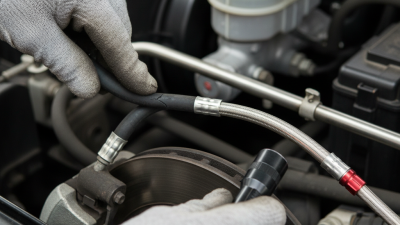
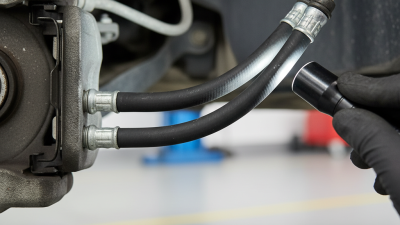
Choosing the right brake hoses for your vehicle is crucial for safety and performance. According to automotive expert John Carter, “Quality brake hoses can be the difference between a smooth stop and a disastrous accident.” Brake hoses connect your brake lines to the brake calipers and must withstand high pressure. It’s essential to inspect them regularly for wear and tear.
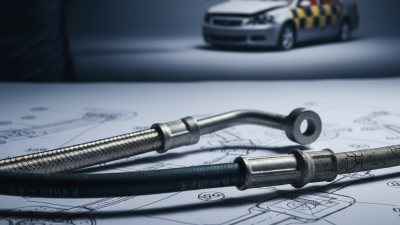
Many car owners overlook the importance of brake hoses. They often focus more on pads and rotors. This can lead to significant issues when the hoses fail. The material and construction of brake hoses vary widely. Rubber hoses, while common, can degrade over time. Stainless steel braided hoses are more durable and resistant to expansion.
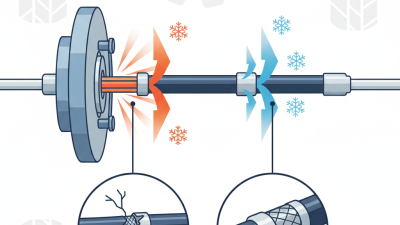
When selecting brake hoses, consider the driving conditions. Harsh climates can affect hose performance. Check for compatibility with your vehicle model and brake system. Don’t forget to seek advice from professionals if uncertain. Proper maintenance of brake hoses ensures your vehicle performs at its best. Regular inspections and replacements are key to your safety on the road.
Understanding the Importance of Brake Hoses in Vehicle Safety
Brake hoses play a crucial role in vehicle safety. They are the lifelines of your braking system. When you press the brake pedal, hydraulic fluid travels through these hoses. Any leak or wear can lead to brake failure. This could result in accidents, causing harm to you and others on the road.
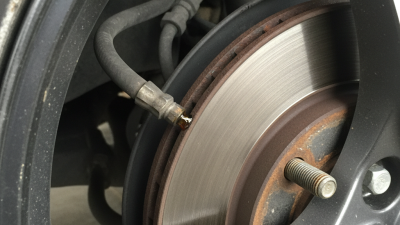
Understanding the importance of brake hoses goes beyond mere functionality. They must withstand high pressure and extreme temperatures. Quality materials ensure durability and reliability. You should regularly inspect your hoses for signs of wear, such as cracking or bulging. A small crack might seem insignificant, but it can lead to catastrophic outcomes.
Choosing the right brake hoses is essential. Many vehicles have specific requirements based on their braking systems. Generic options might not provide the same reliability. Research and consult professionals if you're unsure. Regular maintenance and timely replacements can save lives. Remember, a small investment in brake hose quality ensures your safety on the road.
Types of Brake Hoses and Their Characteristics
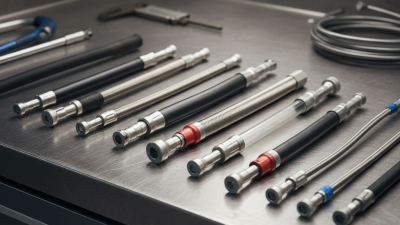
When selecting brake hoses for your vehicle, it’s essential to understand the types available. Common options include rubber, stainless steel, and polymer hoses. Rubber hoses are standard due to their flexibility and cost-effectiveness. They can withstand normal conditions, but they might deteriorate faster than others. Stainless steel hoses offer superior strength and durability. They resist heat and corrosion, providing consistent performance. Polymer hoses are lightweight and flexible, making them popular in high-performance vehicles. Each has distinct characteristics essential for specific applications.
Tips for choosing: consider your driving style. If you drive in extreme conditions, stainless steel may be best. For regular use, rubber may suffice. Pay attention to wear and tear signs. Any cracks or flaking could signal the need for a replacement.
It’s vital to ensure that the hoses match your vehicle specifications. Misalignment can cause serious brake failures. Regular inspections are crucial. If unsure, consult a professional. They can help choose the right type for your needs. Make informed decisions to maintain safety and performance.
Types of Brake Hoses and Their Characteristics
Key Factors to Consider When Selecting Brake Hoses
Choosing the right brake hoses for your vehicle involves several key factors. Start by considering the material. The most common options include rubber and stainless steel. Rubber hoses are flexible but may wear out faster. Stainless steel offers durability but could be stiffer. Your preference might change according to your driving style and conditions.
Next, check the length and diameter of the hoses. Too short can lead to stress, and too long may lead to poor performance. Knowing your vehicle's specifications can help you avoid these issues. Proper fit ensures a safe and reliable experience.
Look for hoses that meet industry standards. Certification is a good indicator of quality. Remember, driving conditions matter. Extreme temperatures or terrain can affect hose longevity. Researching these aspects might take time, but it's crucial for safety. Sometimes, you might find yourself questioning your choices. This is part of making an informed decision.
How to Choose the Best Brake Hoses for Your Vehicle? - Key Factors to Consider When Selecting Brake Hoses
| Factor |
Description |
Importance Level |
| Material Quality |
Consider hoses made from high-quality materials for durability and heat resistance. |
High |
| Length |
Ensure the hose length is suitable for your vehicle’s configuration. |
Medium |
| Compatibility |
Check for compatibility with your vehicle's braking system. |
High |
| Pressure Rating |
Select hoses with appropriate pressure ratings for your vehicle’s needs. |
High |
| Flexibility |
Choose hoses that offer good flexibility for better handling and performance. |
Medium |
| Certification |
Look for hoses that meet industry standards and certifications. |
High |
| Price |
Compare prices but prioritize quality for safety. |
Medium |
Materials Used in Brake Hose Manufacturing
When choosing brake hoses for your vehicle, understanding the materials used in their manufacturing is crucial. Most brake hoses are made from rubber, synthetic rubber, or composite materials. Each of these materials has its own pros and cons. Rubber hoses, for instance, are flexible and provide good performance, but they may degrade over time due to heat and environmental exposure.
Synthetic rubber is popular in modern vehicles. It offers better resistance to temperature and chemicals, enhancing durability. However, while synthetic hoses can last longer, they may be stiffer, which can impact installation and flexibility in tight spaces. Composite materials combine various elements to improve strength while reducing weight. Still, their complex nature can sometimes lead to unforeseen issues in extreme conditions.
It’s essential to consider your vehicle’s specific requirements and driving conditions. Not all brake hoses are created equally, and a mismatch can lead to performance issues. Recognizing these factors will guide you in making a more informed decision, ensuring safety and reliability on the road. Balancing quality with cost is also a challenge. Sometimes, cheaper options may compromise performance in critical situations. Always think carefully before making your choice.
Installation and Maintenance Tips for Brake Hoses
When it comes to brake hoses, proper installation and maintenance are crucial.
Brake hoses play a vital role in your vehicle's braking system.
According to a report from the National Highway Traffic Safety Administration, nearly 30% of braking failures stem from hose-related issues.
This highlights the need for proper care and installation.
To install brake hoses properly, ensure you use the correct tools and follow manufacturer guidelines.
Inspect the hoses for any signs of wear, such as bulges or cracks. Even minor imperfections can lead to significant safety risks.
Studies indicate that roughly 15% of drivers neglect to check their brake hoses regularly,
which can result in costly repairs and unsafe driving conditions.
Maintaining brake hoses is equally important. Regular checks should include monitoring for leaks and ensuring all connections are tight.
If you notice any fluid seepage, it is best to replace the hose immediately.
This proactive approach can enhance vehicle safety and prolong the life of the braking system.
Remember, a small oversight can have serious consequences on the road.