10 Best Automotive Tubing Suppliers for Global Buyers
Choosing an automotive tubing supplier is not just a price comparison. A tube may look simple on a drawing, yet its alloy, wall thickness, bend radius, and joining method shape how reliably it performs. Buyers also need clear material records, stable production capacity, and samples that match the finished specification. Small details matter.
For this guide, an illustrative sourcing expert, Maya Chen, offers a practical reminder: “A dependable tube starts with verified material, controlled forming, and traceability you can follow.” Treat that as a buyer’s principle, not a sourced quotation. It captures why supplier claims deserve careful checking. Ask how dimensions are measured, how changes are managed, and what documentation accompanies each shipment.
The 10 suppliers profiled here serve different needs, from high-volume production to specialized tubing requirements. Their capabilities, geographic reach, quality systems, and communication practices can help global buyers build a shortlist. A polished catalog is not enough. Request specific evidence, compare like with like, and confirm that the supplier understands your application. Even then, judgment matters: a checklist cannot reveal every production risk.
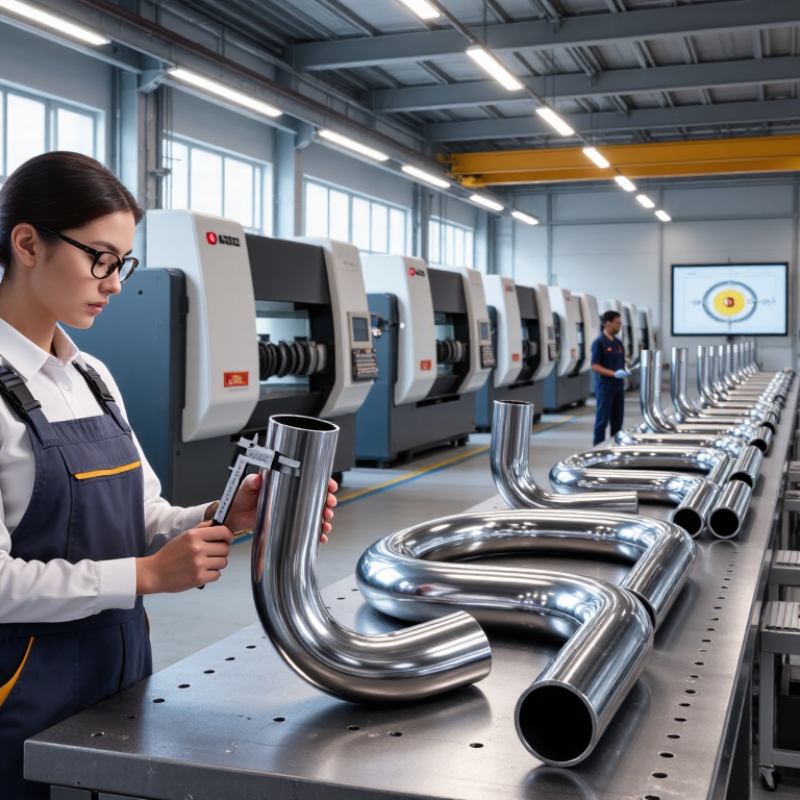
Automotive Tubing: Types, Materials, and Vehicle Applications
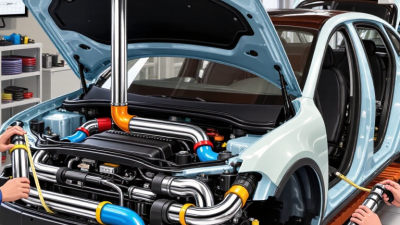
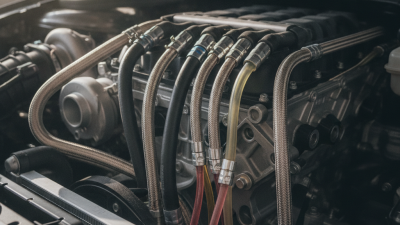
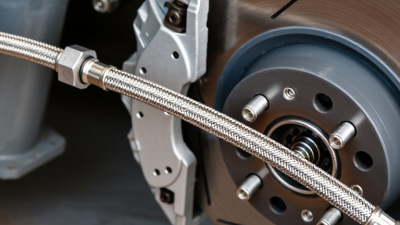
Automotive tubing carries brake fluid, fuel, coolant, and other fluids through tight, vibration-prone spaces. A brake tube must handle pressure and resist corrosion, especially beneath the vehicle where road moisture collects. Fuel lines need materials compatible with the fluid and operating temperature. Coolant pipes must maintain steady flow despite heat cycling and engine movement. Small details matter.
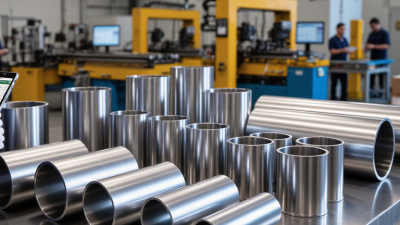
Common choices include coated steel, stainless steel, aluminum, and copper-nickel alloys. Steel is widely used for strength and cost control, while aluminum can reduce weight in selected systems. Stainless steel offers strong corrosion resistance, but forming and joining it may require extra care. Copper-nickel tubing bends readily and resists corrosion, though suitability depends on the application. In practice, the neatest specification is not always the easiest to install. Fit matters.
Tips: Check pressure, temperature, fluid compatibility, and bend radius before choosing a tube. Ask suppliers for material and dimensional documentation, then confirm that fittings match the tube. Inspect sample parts for clean ends and consistent wall thickness. Leave room for movement and service access; a routing plan that looks perfect on paper may need adjustment inside a crowded engine bay.
Typical material densities help buyers compare tubing weight. Example applications include fuel and brake lines in steel or stainless steel, coolant and air-conditioning lines in aluminum, fluid lines in copper, and flexible fuel or pneumatic lines in PA12. Values are approximate and vary by grade.
Key Criteria for Evaluating Automotive Tubing Suppliers
When evaluating automotive tubing suppliers, start with the application, not the price sheet. Identify the required material, tube diameter, wall thickness, operating temperature, and exposure to vibration or corrosive fluids. Ask how dimensional tolerances are checked and how production batches are traced. A supplier should explain its inspection process clearly, not rely on broad claims about quality.
Review sample parts and supporting documents before committing to volume. Check cut ends, bends, weld seams, and surface finish under good light. Request relevant test records, material certificates, and a clear process for handling defects. Capacity matters, but so does consistency between sample and production runs. In practice, communication during a small trial order can reveal more than a polished presentation. It is not a perfect measure, though.
Tips: Share drawings with tolerances and expected volumes. Ask about lead times, packaging, and change control. Keep a written record of agreed specifications. If an answer seems vague, ask for a specific example or document. One detail buyers sometimes miss: confirm that tubing arrives protected from dents and contamination, especially when it will be formed or assembled later.
Profiles of 10 Automotive Tubing Suppliers for Global Buyers
The ten profiles below represent common supplier capabilities, not named companies or endorsements.
A seamless-steel tubing specialist serves pressure-sensitive fuel or brake lines. Ask for wall-thickness tolerances and inspection records.
A welded-steel producer may suit structural parts and high-volume orders. Check weld consistency across sample batches.
A stainless-steel supplier supports exhaust and corrosion-resistant applications. Confirm grade documentation and forming limits.
A precision-drawn tube maker focuses on tight dimensions for compact assemblies. Request measurement data, not just catalog ranges.
A lightweight aluminum tubing supplier can reduce vehicle mass. Review fatigue performance and joining methods.
A copper-alloy specialist may supply heat-transfer or fluid components. Verify compatibility with the intended fluid.
A bent-tube supplier delivers formed sections ready for assembly. Check bend radii and end geometry against drawings.
A custom-profile manufacturer handles unusual cross-sections. Tooling costs can change the economics.
A high-volume automotive supplier offers repeatable production and coordinated logistics. Confirm capacity during demand peaks.
A regional distributor can shorten delivery times and hold stock. Yet traceability may vary, so inspect paperwork carefully.
Ask each candidate for material certificates, process controls, sample parts, and realistic lead times. A polished brochure proves little. One detail is easy to miss: packaging can affect tube surfaces during long shipments.
Comparing Supplier Capabilities, Certifications, and Market Reach
Global buyers should compare automotive tubing suppliers by process control, certification scope, and delivery reach—not by catalog size alone. OICA reported 93.5 million motor vehicles produced worldwide in 2023, a scale that makes dependable capacity planning essential. For each supplier, check tube-forming methods, material traceability, pressure-test records, and production-site coverage. Ask for sample inspection data, not just a capability sheet. Small details matter: a clean bend, consistent wall thickness, and legible batch markings.
Certifications help, but they do not tell the whole story. Verify that quality-system certificates cover the actual manufacturing site and relevant processes. Then compare audit results, corrective-action records, and change-control procedures. The IEA’s Global EV Outlook 2024 reported nearly 14 million electric-car sales in 2023, highlighting how vehicle technology and component demand are shifting. Suppliers serving several regions may offer shorter routes, yet local stock and backup capacity still need proof. A certificate can look reassuring. Lot variation can still appear.
Tips: Request a recent production sample and its inspection report. Confirm lead times for normal and peak demand. Ask how the supplier handles tooling changes. This check is easy to overlook. It can expose gaps before a sourcing decision.
How to Choose the Right Supplier for Your Sourcing Needs
Choosing an automotive tubing supplier starts with the part, not the catalogue. Define material, diameter, wall thickness, bend radius, pressure, and operating temperature. Then ask how each requirement is verified. A mill certificate alone may not show how finished tubes perform after forming or joining. Request dimensional inspection records, corrosion-test methods, and sample parts from a production run. Check whether the supplier can trace a tube back to its material batch. Small details matter. A slightly oval tube can complicate assembly.
Capacity and logistics deserve equal scrutiny. OICA reported 93.5 million motor vehicles produced worldwide in 2023, a reminder that buyers may depend on complex, cross-border supply networks. Ask for realistic lead times, backup production capacity, and packaging details that prevent dents or moisture damage in transit. The International Energy Agency reported nearly 14 million electric cars sold in 2023. That shift can change requirements for lightweight structures and thermal-management systems, but the right specification depends on the application. Compare suppliers using the same drawing, test criteria, and forecast. Visit the facility when practical; observe how operators identify nonconforming material. A polished audit score is useful, not decisive. I would still check how quickly the team explains a process failure, because that conversation can reveal gaps a checklist misses. There is no perfect scorecard.