The Best 5 Car Coolant Hoses You Should Consider for Optimal Performance?
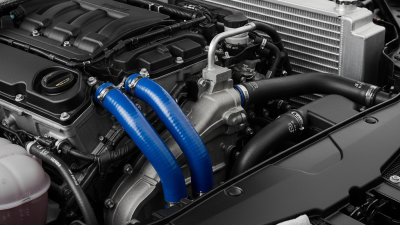
When it comes to maintaining your vehicle's performance, selecting the right car coolant hoses is crucial. These hoses play a vital role in the engine cooling system. They ensure that coolant flows effectively, preventing overheating and engine damage. A well-functioning coolant hose can enhance the longevity of your vehicle, making it an essential component to consider.
As you look for the best car coolant hoses, it’s important to focus on quality and reliability. Many options are available, but not all hoses meet the necessary standards. Low-quality hoses may fail, leading to costly repairs. It’s also essential to consider the hose material and compatibility with your vehicle's make and model.
Ultimately, the choice of car coolant hoses reflects your commitment to optimal performance. Investing time in research can prevent potential issues down the road. Choosing wisely will pay off. Your engine deserves only the best to ensure its smooth operation.
Key Features to Consider When Choosing Car Coolant Hoses
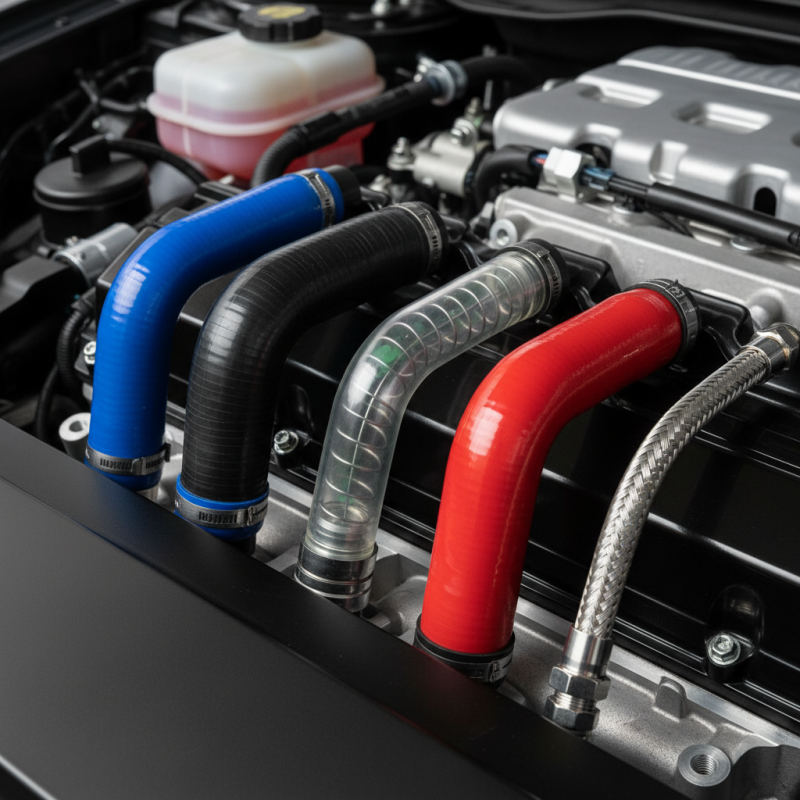
When choosing car coolant hoses, several key features demand attention. First, consider the material. Hoses made from rubber or silicone provide durability and resistance against high temperatures. These materials often withstand the harsh conditions found in an engine compartment. Look for hoses that can endure extreme weather and engine heat.
Next, think about the size and compatibility. Ensure that the hoses fit your vehicle's cooling system properly. An ill-fitting hose can lead to leaks and overheating issues. Measurement is crucial. Check the diameter and length before purchase. Installation should be straightforward if you select the correct size.
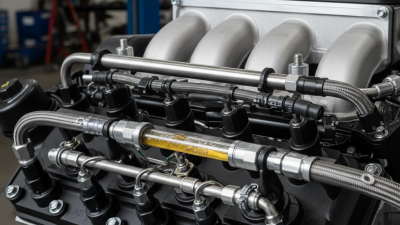
Lastly, investigate the hose design. Some hoses come with reinforced layers for added strength. Others may feature a smoother inner lining to promote better coolant flow. While these enhancements sound great, remember that higher performance sometimes comes at a price. Weigh the benefits against costs to make an informed choice.
The Best 5 Car Coolant Hoses You Should Consider for Optimal Performance
Top Materials Used in Car Coolant Hoses and Their Benefits
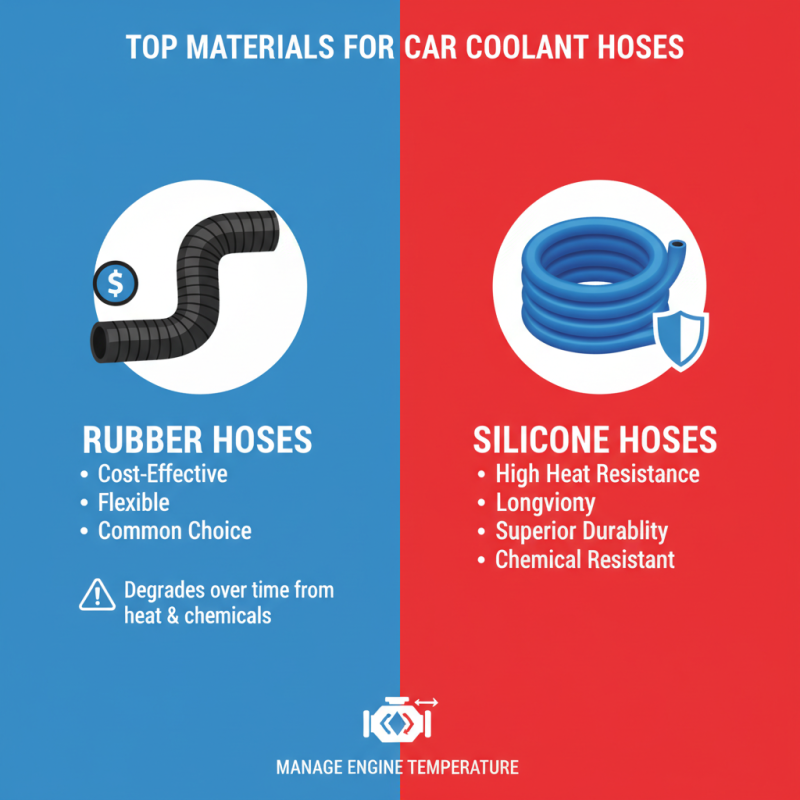
Car coolant hoses play a crucial role in managing engine temperature. The materials used significantly influence both performance and durability. Commonly, rubber and silicone are the preferred choices for coolant hoses. Rubber hoses are often favored for their cost-effectiveness and flexibility. However, they may degrade over time due to high temperatures and chemicals.
On the other hand, silicone hoses offer superior thermal resistance and flexibility. According to industry data, silicone hoses can withstand temperatures ranging from -60°F to 500°F. This durability is vital for high-performance engines. Additionally, silicone's resistance to aging and environmental factors often leads to longer service life. A study noted that silicone hoses had a life expectancy of up to 10 years, compared to just 3-5 years for rubber hoses.
While silicone hoses may come at a higher initial cost, their longevity can lead to savings on replacements. It's essential to consider the specific needs of your vehicle when choosing materials. This decision can impact not only performance but also the overall reliability of your cooling system. Investing in the right hose material is key for optimal engine performance.
Installation Tips for Optimal Use of Car Coolant Hoses
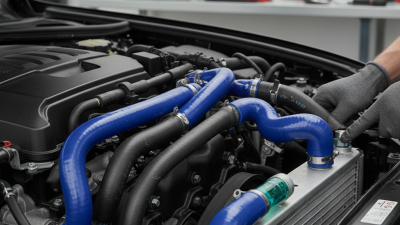
When installing car coolant hoses, proper preparation is key. Start by gathering your tools: a wrench, pliers, and new hose clamps. Check the condition of your old hoses first. Look for cracks, leaks, or any visible wear. If you find these issues, replacing them will improve your car's performance.
Next, ensure a clean workspace. Dirt can compromise the integrity of new hoses. Before installation, make sure the engine is cool. This minimizes the risk of burns and makes your job easier. As you fit the new hoses, avoid stretching them too much. This can lead to premature wear or leaks later on.
After securing the hoses, check for any kinks. Kinks can disrupt coolant flow. It's a common oversight that might cause overheating issues down the line. Once installed, run the engine to monitor for leaks. Don’t skip this step; it’s crucial for ensuring everything is running smoothly. Taking these extra moments for checks can prevent future mechanical headaches.
Maintenance Best Practices to Extend the Life of Coolant Hoses
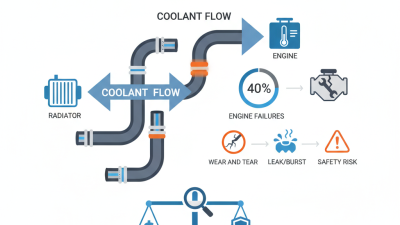
Maintaining coolant hoses is crucial for vehicle performance. Regular inspection can prevent costly repairs. A study by the Society of Automotive Engineers shows that up to 40% of engine failures relate to coolant system issues. The temperature extremes in engines can wear hoses, leading to cracks and leaks.
Check hoses every 3,000 miles or during oil changes. Look for signs of wear, such as bulges or fraying. The recommended replacement interval for hoses is every 4-5 years. However, this can vary based on the vehicle's environment. Hoses exposed to high temperatures or corrosive fluids may degrade faster.
Keep cooling systems topped up with the correct coolant mixture. This protects against corrosion. Coolant also helps in regulating engine temperature. Neglecting coolant levels can lead to hose stress. It’s worth noting that more than 25% of coolant system failures are due to improper maintenance. Regular flushing of the cooling system helps remove debris and contaminants, extending the life of both hoses and overall system efficiency.
The Best 5 Car Coolant Hoses You Should Consider for Optimal Performance
| Hose Type |
Material |
Temperature Rating (°F) |
Pressure Rating (PSI) |
Lifespan (years) |
| Silicone Hose |
Silicone Rubber |
230 |
75 |
10 |
| EPDM Hose |
EPDM Rubber |
250 |
70 |
8 |
| Rubber Hose |
Natural Rubber |
212 |
60 |
5 |
| Reinforced Hose |
Nylon and Rubber |
240 |
90 |
7 |
| Flexible Hose |
Polyurethane |
200 |
50 |
6 |