Why Are Brake Hoses Essential for Vehicle Safety?
Brake hoses play a crucial role in the safety of vehicles. They are often overlooked, yet they are fundamental for proper braking performance. These components connect the brake pedal to the brake mechanism, transmitting hydraulic pressure. When you press the brake pedal, brake hoses allow the brake fluid to flow, enabling the vehicle to slow down or stop.
The importance of brake hoses cannot be overstated. Damage or wear can lead to brake failure. Regular inspections are essential to ensure their integrity. Factors such as heat, age, and exposure to chemicals can weaken brake hoses. Drivers should be aware of the signs of deterioration, such as leaks or bulges. Awareness and preventive maintenance can significantly enhance vehicle safety.
Neglecting brake hoses could result in dangerous situations. A sudden brake failure can lead to serious accidents. Many drivers do not realize how vital these hoses are until it’s too late. Reinforcing the knowledge and importance of brake hoses can lead to safer driving experiences. Investing in quality parts and expert maintenance is a reliable way to ensure safety on the road.
The Function and Design of Brake Hoses in Vehicles
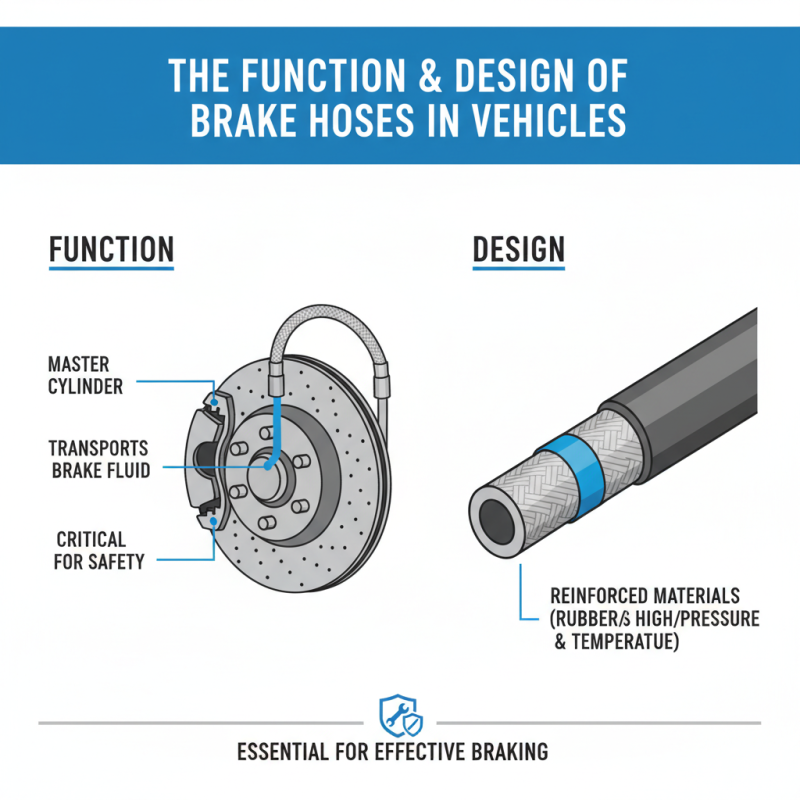
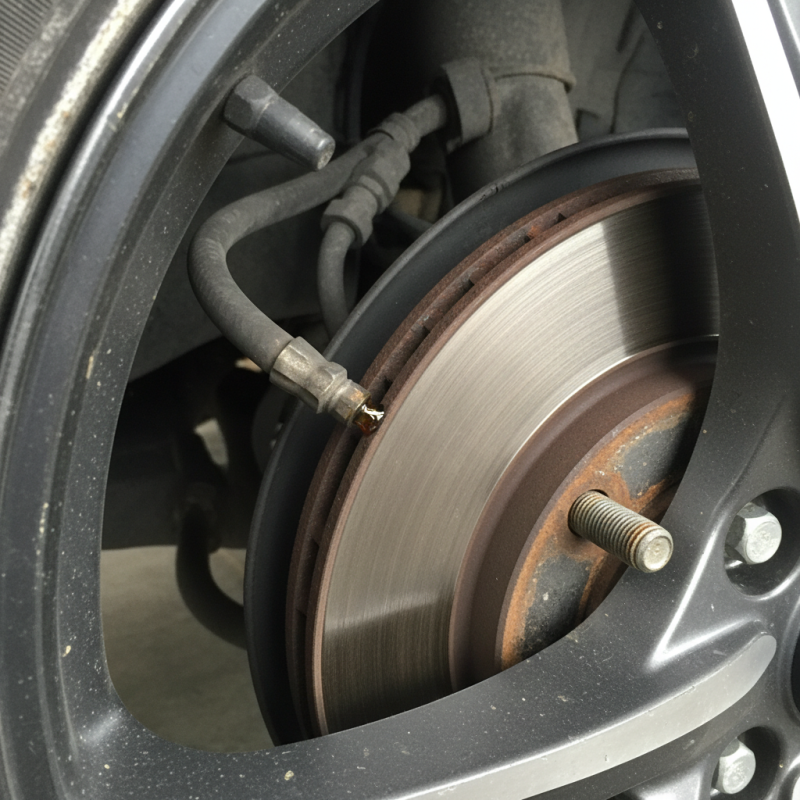
Brake hoses play a critical role in vehicle safety. These flexible tubes transport brake fluid from the master cylinder to the brake calipers or drums. Without them, the braking system would fail to work effectively. The design of brake hoses is essential to withstand high pressure and temperature. They are typically made from reinforced rubber or synthetic materials.
Over time, brake hoses can wear out or develop leaks. Cracks or bulges may go unnoticed until it's too late. Regular inspections can help identify potential issues. Drivers should look for signs of deterioration. A swollen or cracked hose may suggest a risk. Addressing these concerns proactively can prevent brake failure.
Additionally, the routing of brake hoses matters. Poor routing can lead to contact with other components. This contact may cause wear or even catastrophic failure. Proper installation and maintenance are crucial to ensure safe braking. Mechanical expertise is vital to handle brake system issues. Awareness and care can significantly enhance vehicle safety. It's a shared responsibility that affects everyone on the road.
Common Materials Used for Manufacturing Brake Hoses
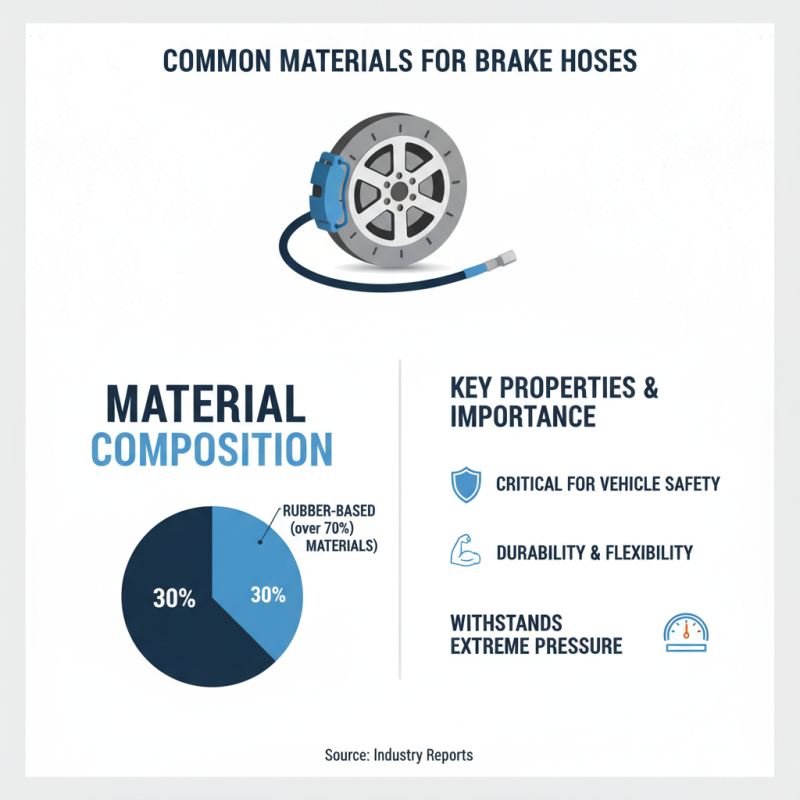
Brake hoses are critical for vehicle safety. Understanding the materials used in their manufacturing can provide insight into their importance. Commonly, rubber and synthetic materials are utilized due to their durability and flexibility. According to industry reports, over 70% of brake hoses use a rubber-based composition. This allows them to withstand extreme pressure during braking.
In addition to natural rubber, many manufacturers incorporate reinforced steel braiding. This feature enhances the hose's strength and prevents bursting under high pressure. Studies indicate that brake hoses can endure pressures exceeding 3,000 psi, emphasizing the significance of strong materials. Some hoses even use thermoplastic materials, noted for their lighter weight and resistance to corrosion.
Reflecting on these advancements is essential. Some options available in the market may not meet rigorous safety standards. As a result, vehicle owners should ensure they choose hoses that comply with industry regulations. Not all materials offer the same level of performance. Understanding the limitations and potential weaknesses of certain materials can aid consumers in making informed choices.
How Brake Hoses Contribute to Overall Vehicle Safety
Brake hoses play a critical role in vehicle safety. They are integral to the hydraulic brake systems that stop vehicles. According to the National Highway Traffic Safety Administration (NHTSA), brake failure contributes to over 5% of all traffic accidents in the United States annually. Faulty brake hoses can lead to brake fluid leaks or complete brake failure, posing severe risks to drivers and passengers.
These hoses must endure high pressure and extreme temperatures. Aging and wear can compromise their integrity. A report from the Brake Manufacturers Council indicates that nearly 30% of brake-related incidents involve damaged hoses. Regular inspection of brake hoses for cracks or bulges is essential.
Tip: Regular vehicle maintenance should include checking brake hoses. Inspect them visually and replace them if any signs of wear are found.
It's not just about replacing hoses when they fail. Understanding the role of brake hoses helps drivers appreciate the importance of proactive maintenance. Keep in mind that even minor wear can lead to significant safety issues. Drivers should be aware and mindful of the components that keep their vehicles safe.
Tip: Pay attention to how your brakes feel. If the pedal feels spongy or goes to the floor, it could indicate a problem with the brake hoses. Don't ignore these warning signs.
Signs of Worn or Damaged Brake Hoses to Watch For
Brake hoses play a critical role in your vehicle's safety. Monitoring their condition is essential. Worn or damaged brake hoses can lead to severe braking failures. According to the National Highway Traffic Safety Administration (NHTSA), faulty brake systems account for 22% of vehicle accidents. Identifying the signs early can prevent hazardous situations.
Look for abrasions, cracks, or bulging on the hoses. These visible signs indicate potential issues. A spongy brake pedal is another red flag. It may suggest air in the brake lines or a leak from the hoses. According to industry experts, regular inspections can catch these defects before they escalate. An overlooked issue might cost you more than just repairs; it could risk your life.
Listening for unusual sounds, like a high-pitched squeal, is also important. This may indicate that the brake system is not functioning optimally. Remember, proactive maintenance is key. Statistics reveal that 20% of drivers neglect regular brake inspections. Don't be part of that statistic. Pay attention to your vehicle's needs.
Brake Hoses Condition Overview
This chart illustrates the percentage of different conditions of brake hoses based on survey data. Keeping an eye on the condition of brake hoses is vital for vehicle safety.
Proper Maintenance Practices for Brake Hoses to Ensure Safety
Brake hoses play a crucial role in vehicle safety. They carry brake fluid from the master cylinder to the brake calipers. Over time, these hoses can wear down due to heat and pressure. Regular inspections can help identify early signs of wear, such as cracks or bulges. Drivers often forget about these components, raising safety concerns.
Maintaining brake hoses is essential. Checking for leaks should be a routine part of vehicle maintenance. If you notice wet spots around the hoses, it signals a potential problem. It’s best to consult a professional if you’re uncertain. Furthermore, replacing old hoses can prevent brake failure. Using high-quality materials can help extend their lifespan.
Drivers should also consider environmental factors. Heat exposure can accelerate the aging of brake hoses. Parking in shaded areas can be beneficial. Regularly checking the brake fluid level is another important practice. The fluid should be clear and free of debris. Reflecting on these maintenance tips helps ensure safety on the road.
Why Are Brake Hoses Essential for Vehicle Safety? - Proper Maintenance Practices for Brake Hoses to Ensure Safety
| Data Dimension |
Description |
| Brake Hose Material |
Typically made from reinforced rubber or polymer to withstand high pressure. |
| Average Lifespan |
Brake hoses should be replaced every 4-6 years depending on usage and environmental conditions. |
| Common Wear Indicators |
Cracks, bulges, or leaks on the surface of the hoses. |
| Maintenance Frequency |
Inspect brake hoses at least twice a year during routine vehicle maintenance. |
| Symptoms of Failure |
Soft or spongy brake pedal feel, reduced braking effectiveness, or warning lights on the dashboard. |
| Recommended Actions |
Replace worn or damaged hoses immediately and perform a brake fluid flush during replacement. |
| Impact on Safety |
Faulty brake hoses can lead to brake failure, resulting in serious accidents. |