China Best PA12 Multi-Layer Tubes Manufacturer?
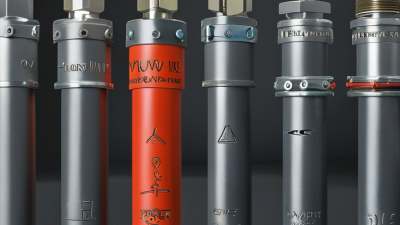
Choosing the China best PA12 multi-layer tubes manufacturer requires more than comparing prices or glossy product photos. Buyers need evidence from the production floor: resin traceability, controlled layer thickness, clean extrusion lines, and reliable pressure testing. A serious supplier should explain how each layer supports chemical resistance, flexibility, barrier performance, and long service life.
Polymer specialist Dr. John Scheirs offers a useful principle: “Processing history often determines final polymer performance.” That idea matters here. PA12 multi-layer tubes may look identical outside, yet small differences in drying, melt temperature, bonding, or cooling can affect dimensional stability. Ask for sample measurements, burst-pressure data, bend-cycle results, and batch records. Ask difficult questions.
Experience should guide the evaluation. A capable Chinese manufacturer may provide custom inner layers, reinforcement structures, color identification, and tight tolerances for automotive, pneumatic, medical, or industrial applications. However, “custom” should never replace validation. The supplier must connect its design choices with your actual temperature range, fluid compatibility, pressure level, and installation method.
There is no universal best factory.
The strongest candidate is the one that documents its process and admits its limits. Factory audits, third-party testing, and pilot orders can reveal practical weaknesses before full production. A trustworthy manufacturer should also communicate openly about lead times, tooling costs, quality controls, and corrective actions. This introduction examines how to compare China-based PA12 multi-layer tubes suppliers through technical capability, manufacturing experience, material knowledge, and dependable evidence—not marketing language alone.
PA12 Multi-Layer Tubes: Definition and Key Structural Features
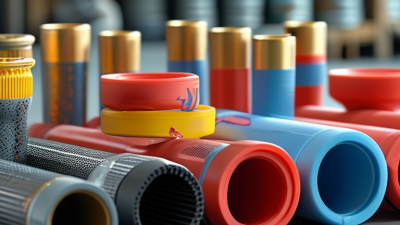
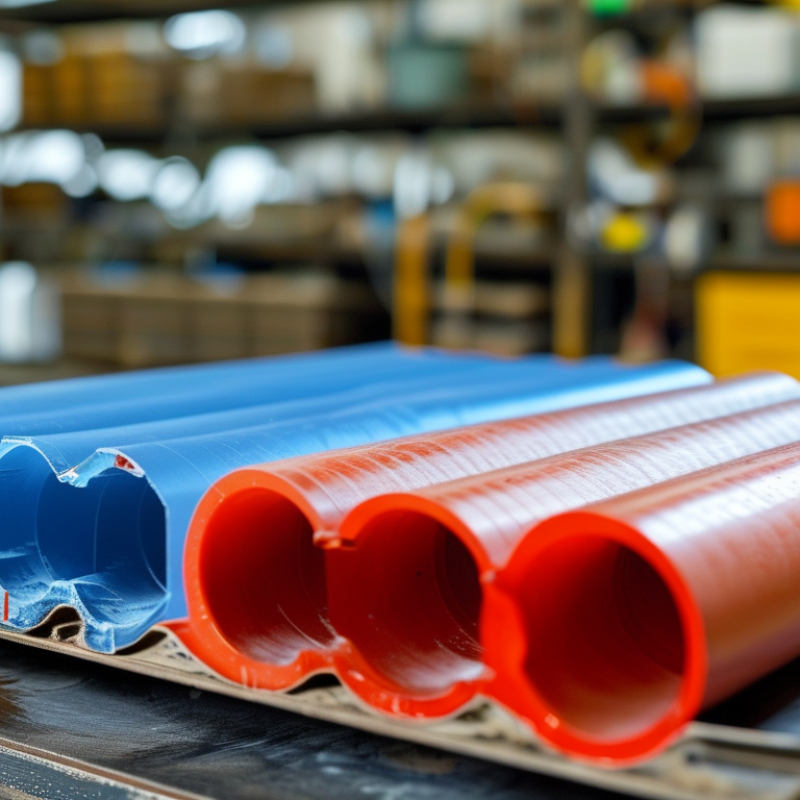
PA12 multi-layer tubes are flexible polymer tubes built from two or more bonded layers. PA12 provides low moisture absorption, chemical resistance, and stable flexibility. The layered design adds functions that one material may not deliver alone. A typical tube includes an inner PA12 layer for fluid contact and smooth flow. An adhesive layer helps different polymers remain bonded during bending and pressure changes. The outer layer protects against abrasion, heat, oils, or sunlight. Some designs also include a barrier or reinforcement layer.
The structure depends on the working environment. Fluid temperature, pressure pulses, bend radius, and installation space all matter. In practical tube evaluation, layer thickness should be checked across the full circumference. Uneven walls can reduce flexibility and shorten service life. A tube may look strong, yet fail near fittings if the layers separate. This detail is easy to overlook. Engineers should also confirm material compatibility, dimensional tolerances, and burst performance through documented testing. More layers are not automatically better.
Tips:
Ask for cross-section samples and test records. Check bonding after repeated bending. Measure the tube after temperature cycling. Small details matter. A careful specification should define every layer, not only the total wall thickness. Even experienced teams can misjudge performance when they focus only on pressure ratings.
How PA12 Multi-Layer Tubes Are Manufactured in China
China Best PA12 Multi-Layer Tubes Manufacturer?
How PA12 Multi-Layer Tubes Are Manufactured in China
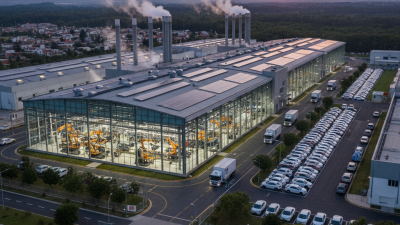
China’s large polymer-processing base supports efficient PA12 tube production. PlasticsEurope reported 400.3 million tonnes of global plastics production in 2022. China contributed about one-third of that volume. This scale supports local tooling, compounding, and precision extrusion services.
Manufacturing begins with PA12 pellets dried under controlled humidity. Moisture can create bubbles, weak weld lines, and unstable dimensions. A multi-layer extruder then forms the tube through separate melt channels. PA12 usually provides chemical resistance and flexibility. Other layers may improve adhesion, barrier performance, or pressure stability. The melt passes through a calibrated die, then enters a water-cooling section. Laser gauges continuously check outer diameter and wall thickness.
Small details matter. A 0.05-millimeter variation can affect assembly performance. Operators compare online readings with laboratory measurements and batch records. Tensile, burst-pressure, dimensional, and aging tests should follow the required application standard. ISO 1874-1 provides a recognized framework for polyamide material designation, while ISO 527 supports tensile evaluation. Grand View Research estimated the global polyamide market at more than 40 billion US dollars in 2023, showing strong demand for engineered polymers. Still, market growth does not guarantee consistent tubing quality. Drying time, layer bonding, and cooling speed need repeated validation. One production setting rarely fits every tube design.
Performance Standards for High-Quality PA12 Multi-Layer Tubes
Performance Standards for High-Quality PA12 Multi-Layer Tubes
A high-quality PA12 multi-layer tube must perform consistently under pressure, heat, and repeated movement.
Its inner layer should resist fluids without swelling, cracking, or releasing unwanted particles. The reinforcing layer must control expansion during pressure changes. The outer layer should protect against abrasion, moisture, and installation damage. Small details matter. Uneven wall thickness can create weak points near fittings.
Professional evaluation should include burst-pressure testing, impulse-pressure cycling, leak testing, and dimensional inspection.
Temperature testing should reflect real service conditions, including cold starts and prolonged heat exposure. Chemical compatibility also needs practical verification with the intended fuel, oil, air, or coolant. A reliable manufacturer records batch numbers, material certificates, test settings, and inspection results. Independent laboratory checks add credibility when applications are demanding.
Experience shows that laboratory results do not always predict field behavior.
A tube may pass a pressure test but fail after sharp bending during assembly. That is a useful warning. Bending radius, fitting design, clamp force, and routing space should be reviewed together. No tube is perfect. Small variations can appear between production batches, so regular sampling remains necessary. Clear technical data, traceable quality control, and honest limits are stronger signs of performance than impressive claims.
Applications of PA12 Multi-Layer Tubes Across Major Industries
Applications of PA12 Multi-Layer Tubes Across Major Industries
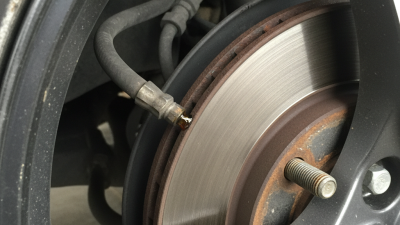
PA12 multi-layer tubes serve demanding fluid and air-management systems. Their low moisture absorption supports stable dimensions. Their smooth inner walls also reduce flow resistance. In commercial vehicles, they carry compressed air for braking and suspension systems. In passenger vehicles, engineered layers can separate fuel, coolant, or electrical shielding functions. The International Energy Agency reported over 17 million electric-car sales worldwide in 2023. That growth increases demand for compact thermal-management tubing. However, electric vehicles do not automatically require PA12. Temperature, pressure, and chemical compatibility still decide material selection.
Medical equipment uses these tubes in catheter assemblies, diagnostic instruments, and portable fluid systems. A carefully designed barrier layer can limit gas or solvent permeation. The outer layer can improve abrasion resistance during repeated handling. Sterilization remains critical. A tube that performs well in testing may fail after repeated exposure to heat or radiation. This is where manufacturing experience matters. Dimensional inspection, burst testing, and extractables testing should be documented for every production lot.
Industrial automation adds another application. PA12 multi-layer tubes can connect pneumatic valves, sensors, and robotic tooling. Their flexibility helps equipment move through narrow cable chains. PlasticsEurope recorded global plastics production of 400.3 million tonnes in 2022, showing the scale of polymer use across industry. That figure does not prove PA12 demand. It only provides useful market context. Buyers should examine layer adhesion, bending radius, pressure cycling, and traceability before choosing a China-based manufacturer. The cheapest specification is often incomplete.
PA12 multi-layer tubes are widely used where flexibility, low moisture absorption, chemical resistance, and reliable pressure performance are required. The chart shows indicative operating-temperature windows commonly associated with major application areas; actual limits depend on tube construction, pressure, media, standards, and the specific PA12 grade.
How to Choose the Best PA12 Multi-Layer Tube Manufacturer in China
How to Choose the Best PA12 Multi-Layer Tube Manufacturer in China
Choosing a PA12 multi-layer tube manufacturer requires more than comparing prices. Start by checking practical production experience, material knowledge, and quality records. Ask how the supplier controls each layer during extrusion. Uneven wall thickness can cause leakage, weak bonding, or installation problems. Request samples with measured inner diameter, outer diameter, hardness, and tolerance data. Small details matter.
A reliable manufacturer should provide batch traceability from resin receipt to final inspection. Review test methods for burst pressure, flexibility, temperature aging, chemical resistance, and layer adhesion. Ask for recent inspection reports, not only a polished product brochure. Factory audits can reveal storage conditions, calibration habits, and operator training. Look closely at the production floor. Clean machines are not enough.
Communication also deserves testing. Send a drawing with difficult dimensions and observe the response. Does the engineering team ask useful questions? Can it explain tooling changes clearly? Confirm sample lead times, packing methods, export documents, and after-sales handling in writing. A capable supplier should support trial production before large-volume orders. No supplier is perfect. I have seen technically strong factories lose trust through slow updates or unclear revisions. That weakness should be discussed openly before cooperation. Choose a manufacturer that welcomes measurement, admits limitations, and improves its process with evidence.