2026 How to Choose the Right Automotive Tubing Supplier for Your Needs?
Choosing the right automotive tubing supplier is crucial for your projects. A reliable supplier can significantly impact the quality and efficiency of your production. You need to evaluate various factors to make an informed decision.
Look for suppliers with a proven track record. Industry experience can showcase their reliability. Do they provide various tubing materials? This can affect your design and application needs. Assess the specifications and standards they meet. Are they compliant with industry regulations?
Additionally, don't overlook customer service. A responsive supplier can ease communication and help resolve issues. Consider their delivery timelines. Timely shipments are essential for keeping your project on track. Take time to research and reflect. Sometimes, the right choice is not the most obvious one.
Understanding Your Automotive Tubing Requirements
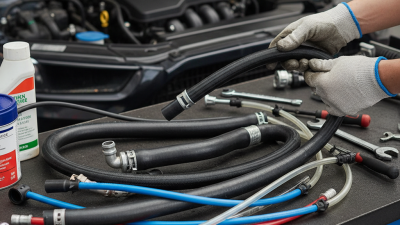
Choosing the right automotive tubing supplier starts with understanding your specific requirements. Different vehicles demand different tubing types. Considerations include the material, size, and purpose of the tubing. For instance, fuel lines may require flexible tubing, while brake lines often need rigidity.
Tips: Identify the environmental conditions your tubing will face. Will it be exposed to extreme heat or chemicals? This will affect the material choice.
Another essential factor is compliance with industry standards. Many suppliers may claim adherence, but it’s crucial to verify. Ask for documentation that proves compliance.
Tips: Always request samples before making a decision. Testing the sample tubing in your application can save future headaches.
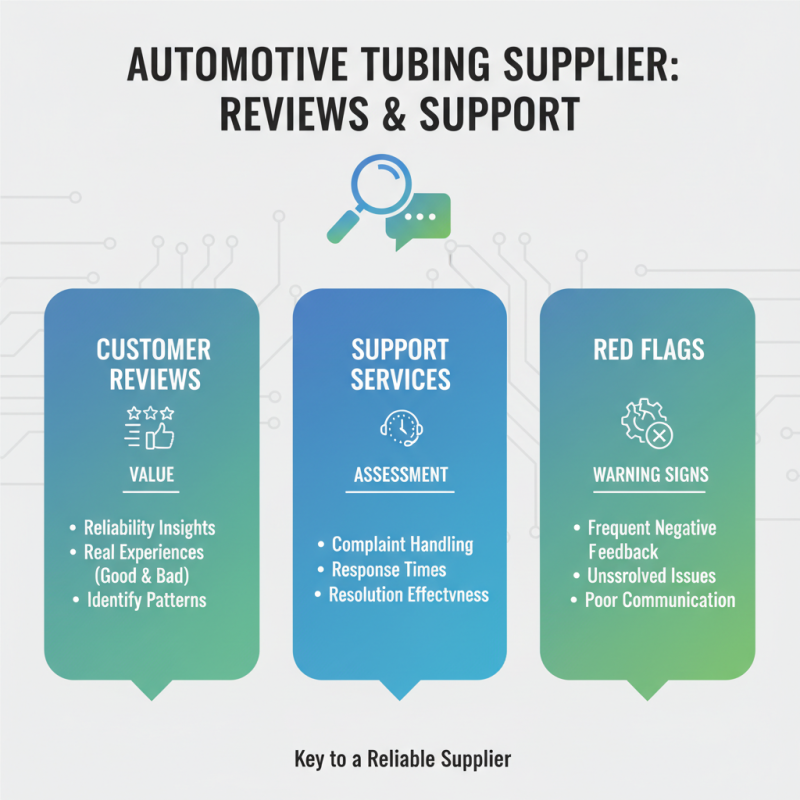
Ultimately, review your supplier's reputation. A supplier with positive feedback may offer better support and reliability. Consider their delivery times and customer service quality as part of your evaluation process.
Evaluating Potential Suppliers' Industry Experience
When selecting an automotive tubing supplier, their industry experience is crucial. Experienced suppliers understand market fluctuations and customer needs better. They have faced challenges and adapted their offerings accordingly. This adaptability can lead to more innovative solutions.
A potential supplier’s background may reveal their strengths. Look for years in business, expertise in specific materials, and knowledge of manufacturing processes. However, not all suppliers with lengthy histories are the best fit. Some may become complacent over time. This can hinder their growth and responsiveness to new technologies.
Additionally, consider their previous projects. Ask for case studies or examples of past work. A reputable supplier should easily provide this information. If they appear hesitant, it might raise concerns. It’s important to dig deeper into their experience to ensure they align with your project requirements. Ultimately, their history should reflect not only stability but also growth and innovation.
2026 How to Choose the Right Automotive Tubing Supplier for Your Needs? - Evaluating Potential Suppliers' Industry Experience
| Dimension |
Supplier A |
Supplier B |
Supplier C |
| Industry Experience (Years) |
15 |
10 |
20 |
| Certifications |
ISO 9001, TS 16949 |
ISO 9001 |
ISO 9001, IATF 16949, AS9100 |
| Production Capacity (Units/Month) |
5000 |
3000 |
7000 |
| Lead Time (Days) |
30 |
45 |
25 |
| Customer Satisfaction Rating |
4.5/5 |
4.0/5 |
4.7/5 |
Assessing Material Quality and Specifications
When selecting an automotive tubing supplier, material quality is paramount. Tubing must withstand various conditions, including pressure, temperature, and corrosion. According to a market report, nearly 40% of failures in automotive systems stem from inferior materials. Ensuring your supplier follows strict quality specifications can prevent costly setbacks.
Tips: Always ask for material certifications. Verify that they meet industry standards. A reliable supplier should provide detailed technical data sheets. This information is vital for understanding the tubing properties.
Furthermore, consider the manufacturing process. Different techniques affect the final product's strength and flexibility. A report indicated that precision in production reduces defects by up to 25%. However, not all suppliers prioritize consistency. Be wary of companies that lack transparency. Request samples to evaluate material texture and performance.
Tips: Don’t rush the selection. Take your time to compare multiple suppliers. A thorough assessment can reveal potential weaknesses. Always trust your instincts; if something feels off, there's often a reason.
Reviewing Supplier Capabilities and Production Processes
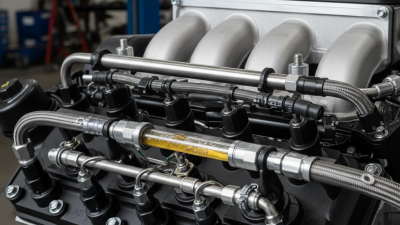
Choosing the right automotive tubing supplier can significantly impact your production efficiency and product quality. When assessing supplier capabilities, focus on their technical expertise and production capacity. A supplier should have experience with various tubing materials, including rubber, metal, and plastic. This expertise ensures they can meet your specific needs.
Production processes play a crucial role as well. Suppliers should utilize advanced technologies like computer-aided design (CAD) and automated manufacturing systems. These tools enhance precision and consistency in tubing production. Reports indicate that suppliers employing such technologies experience a 30% increase in production efficiency. This can lead to better delivery times for your projects.
Tips: Look for suppliers who offer customization options. This flexibility can significantly improve your product's performance. Regular audits of suppliers can reveal their strengths and weaknesses.
Another important factor is testing capabilities. A supplier should have robust testing mechanisms to assess material performance under various conditions. According to industry standards, insufficient testing can lead to 25% higher failure rates in products. This is an area that often requires reflection from both the supplier and your team. Having reliable partners is essential for long-term success in the automotive sector.