How to Choose PA12 Multi Layer Tubes for Your Project?
Choosing the right materials is essential for any project. One such material that stands out is PA12 multi-layer tubes. These tubes offer unique properties that can greatly enhance the efficiency and durability of various applications. They possess excellent flexibility and resilience, making them suitable for demanding environments.
When selecting PA12 multi-layer tubes, it's important to consider the specific requirements of your project. Factors like temperature resistance, chemical compatibility, and mechanical strength should guide your decision. It’s easy to overlook a small detail, but this can affect overall performance.
Reflecting on these aspects can lead to better choices. Consult with experts to gain insights into the best practices. Trust the expertise available in the industry. By understanding your project needs and the capabilities of PA12 multi-layer tubes, you can ensure a successful outcome.
Understanding PA12 Multi Layer Tubes: Properties and Benefits
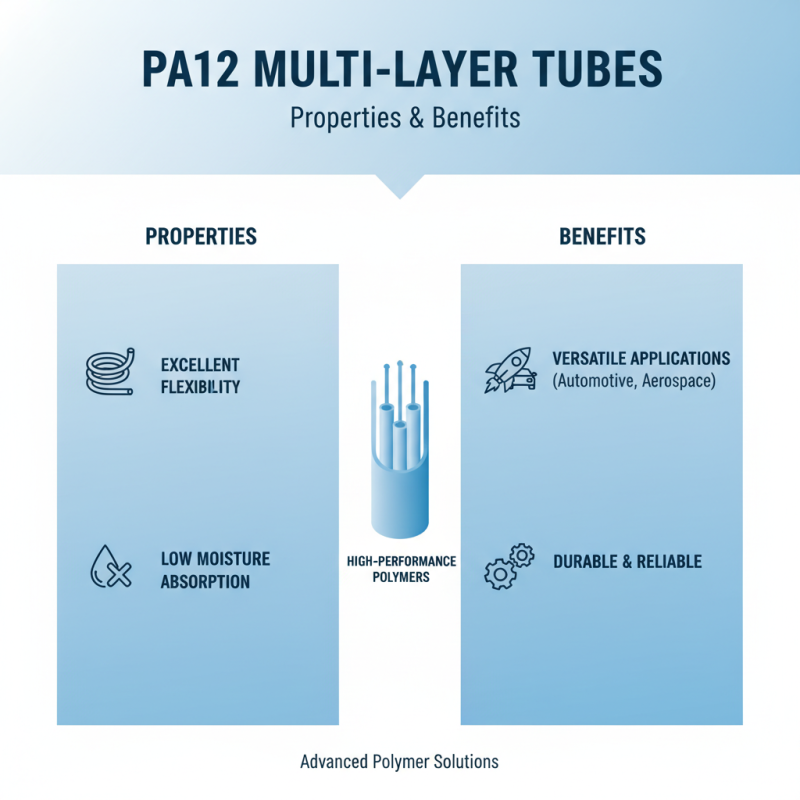
PA12 multi-layer tubes are renowned for their impressive properties and unique benefits. These tubes are constructed using a combination of high-performance polymers. This makes them suitable for a variety of applications, from automotive to aerospace. One notable property of PA12 is its excellent flexibility. This allows the tubes to bend without compromising integrity. Additionally, they exhibit a low moisture absorption rate, which helps maintain their mechanical properties under different conditions.
The multilayer structure offers superior barrier protection. This is particularly important for applications involving fluids or gases. The layers work together to resist permeation, increasing durability and reliability. Users often find that PA12 tubes can withstand physical stress better than single-layer options. However, they may require careful handling during installation to avoid any unintended damage.
While considering PA12 multi-layer tubes, think about specific project needs. Factors such as diameter, thickness, and the environment are crucial. Some designers reflect on their experience with these tubes. They may notice differences between initial use and long-term performance. Proper testing and feedback can lead to better material choices in future projects. Balancing cost and functionality is an ongoing challenge in material selection.
Key Applications of PA12 Multi Layer Tubes in Various Industries
PA12 multi-layer tubes have gained prominence in various industries for their versatility and durability. In the automotive sector, these tubes are essential for fuel lines and air brake systems. According to a report by the European Plastics Converters, the automotive industry alone accounts for approximately 30% of the total demand for polymer tubes. Their lightweight nature helps improve fuel efficiency as well.
In the medical field, PA12 multi-layer tubes serve crucial roles in catheter and IV systems. They offer excellent biocompatibility and mechanical strength. A recent market analysis indicates a projected growth rate of 5% annually in the healthcare segment, emphasizing the rising need for reliable tubing solutions. This growth highlights the importance of using materials that meet stringent safety standards.
**Tip:** When selecting PA12 tubes, consider the temperature and pressure conditions they will face. Ensure they meet specific industry regulations for safety.
The construction industry also utilizes PA12 tubes for various applications, including plumbing and electrical conduits. However, not all PA12 tubes are created equal. Some may lack adequate resistance to chemicals or UV exposure, leading to potential failures over time. Conducting tests can help identify the most suitable options for your project needs.
**Tip:** Always review technical data sheets to understand the properties and limitations of the PA12 tubes you consider. This step can prevent costly failures down the line.
Key Applications of PA12 Multi Layer Tubes in Various Industries
Factors to Consider When Selecting PA12 Multi Layer Tubes
When selecting PA12 multi-layer tubes for various projects, several factors warrant attention. The application requirements greatly influence your choice. For instance, if the tubes will be employed in high-temperature environments, ensure they offer suitable heat resistance. Data from relevant industry reports indicate that tubes made from PA12 can withstand temperatures up to 80°C, making them suitable for demanding tasks.
Another crucial consideration involves the wall structure of the multi-layer tubes. Multi-layer designs often enhance mechanical strength and reduce permeability. In fact, studies show that multi-layer configurations can lower gas permeability by up to 30% compared to single-layer variants. This characteristic is essential for applications involving gases or aggressive fluids.
Tip: Always consult technical specifications before making a purchase. Understanding your project’s specific demands is vital.
Durability should also be part of the decision-making process. Although PA12 exhibits excellent resistance to wear and abrasion, some situations may expose the tube to extreme conditions. An evaluation of potential environmental stresses can provide insight into the required longevity of the tubes. Balancing these factors can be complex, but achieving the right combination ensures optimal performance.
Tip: Regularly review advancements in material technology to stay updated on possible improvements. It’s crucial to assess if your choices align with the current industry best practices.
How to Choose PA12 Multi Layer Tubes for Your Project? - Factors to Consider When Selecting PA12 Multi Layer Tubes
| Factors |
Description |
Importance |
Recommended Values |
| Material Composition |
Check the specific blend of PA12 for compatibility with your project requirements. |
High |
100% PA12 |
| Layer Structure |
Consider the number of layers and their arrangement for optimal performance. |
Medium |
3-5 Layers |
| Diameter |
Select a diameter that fits your application needs while ensuring flow efficiency. |
High |
4mm - 12mm |
| Operating Temperature |
Ensure the tube can withstand the temperature range of your project. |
High |
-40°C to 80°C |
| Flexibility |
Determine the required flexibility for routing and installation. |
Medium |
Soft - Medium Flexibility |
Comparative Analysis of PA12 with Other Tube Materials
When considering PA12 multi-layer tubes for your project, it's essential to analyze their performance against other materials. PA12 offers a unique combination of flexibility and strength. Its low moisture absorption reduces the risk of material swelling or warping. In contrast, materials like PVC or polyethylene may not offer the same durability under stress.
Issues arise when comparing PA12 with alternatives. For instance, while PVC is cost-effective, it has lower temperature resistance. Over time, this can lead to degradation, especially in high-performance environments. PA12, on the other hand, maintains structural integrity better in challenging conditions. Yet, it comes with a higher price point, which can challenge budget constraints.
Choosing the right material depends on specific project needs. Evaluate the environment where the tubes will be used. Factors like chemical exposure and temperature fluctuations must be considered. A common mistake is overlooking these details. Without thorough analysis, performance could suffer. Strive for a balance between cost and reliability in your material choice.
Industry Standards and Certifications for PA12 Multi Layer Tubes
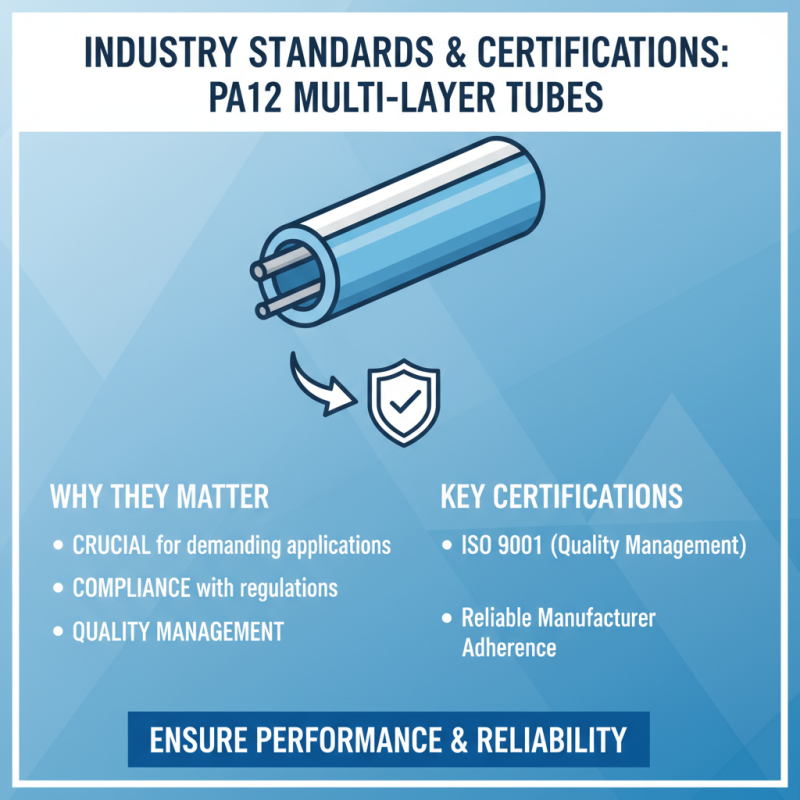
When selecting PA12 multi-layer tubes for your project, understanding industry standards and certifications is crucial. These tubes are often used in demanding applications, making compliance with regulations vital. Look for certifications such as ISO 9001, which indicates strong quality management practices. A reliable certification shows that the manufacturer adheres to proven standards.
Not all tubes are created equal. Some may not undergo rigorous testing, which can lead to issues later. It's essential to ensure that the tubes meet specific criteria for pressure ratings, chemical resistance, and flexibility. Seek out detailed specifications from manufacturers. These details help prevent potential failures in your applications.
Remember, industry standards evolve. Regularly check for the latest requirements and practices. This knowledge can guide you toward making informed decisions. Partnering with experienced suppliers may also offer insights into the best practices. Keep yourself updated on potential improvements and reflect on any past choices. This approach ensures you choose the right PA12 multi-layer tubes for your project.