How to Choose the Right OEM Auto Parts Supplier for Your Vehicle?
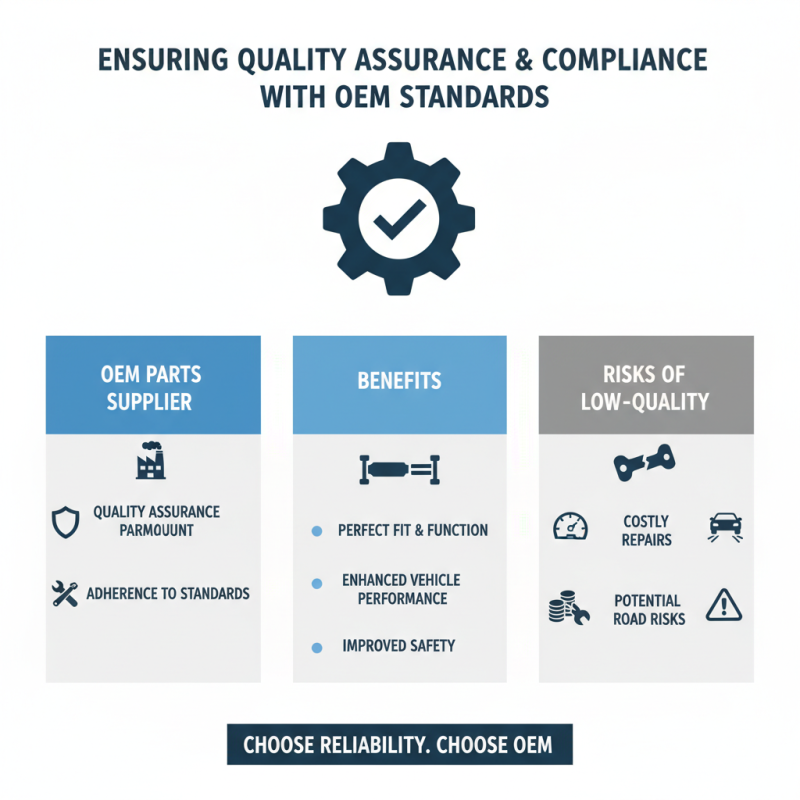
Choosing the right OEM auto parts supplier for your vehicle is crucial. Quality parts can affect performance, safety, and longevity. OEM parts are made by the original equipment manufacturer. This means they match your vehicle's specifications perfectly.
A reliable OEM auto parts supplier should have a solid reputation. Look for reviews and testimonials. These provide insights into their service quality. An experienced supplier will help you find the right parts. They can offer guidance and support when needed.
Don't ignore warranties and return policies. Understand what you are getting into. Sometimes, inexpensive options can lead to problems down the road. Reflecting on your needs and research is essential. Your vehicle deserves the best.
Understanding OEM Auto Parts and Their Importance in Vehicle Maintenance
When it comes to vehicle maintenance, OEM (Original Equipment Manufacturer) auto parts play a crucial role. Using OEM parts ensures compatibility and quality, preserving your vehicle's warranty and performance. According to a report by AutoCare, 80% of vehicle owners prefer OEM parts for reliability. These components are designed to meet the original specifications laid out by the manufacturer.
Yet, not all OEM parts are created equal. Some suppliers may offer parts that look identical but don't meet the same quality standards. Industry experts suggest that a lack of transparency in sourcing can lead to subpar performance. A survey by the Automotive Aftermarket Industry Association found that 25% of consumers experienced issues with counterfeit parts. This highlights the need for careful selection.
Considering price is essential, but quality is paramount. Sometimes, a cheaper part leads to more expensive repairs later on. In fact, approximately 30% of car repair costs stem from using inferior parts. Make sure to evaluate suppliers based on their reputation and transparency. It’s worth investigating their certifications and customer feedback. Each vehicle is unique, and choosing the right supplier can make a significant difference in its longevity and performance.
Identifying Your Vehicle's Specific OEM Parts Requirements
Identifying the specific OEM parts your vehicle requires is crucial for maintaining its performance. Each car model has distinct components made with precision. Start by checking your owner’s manual. It commonly lists essential parts and their specifications. Pay close attention to any unique identifiers, like part numbers. This helps ensure compatibility.
Once you have a list, research each item. Not all parts may be readily available or easy to find. Some suppliers may focus on specific brands or categories. Explore various options and compare their offers. Look for detailed descriptions and quality assurances. Sometimes, a cheaper option can lead to performance issues down the line.
Consider reaching out to automotive forums or local mechanics. They often have firsthand experience with different parts suppliers. Their recommendations can guide you in the right direction. Ultimately, verify that your chosen supplier corresponds with your specific requirements. Every detail matters, so take your time in this process. Ignoring it can lead to missing out on vital components.
Evaluating the Reputation and Reliability of Potential Suppliers
When selecting an OEM auto parts supplier, reputation and reliability are key. Start by investigating online reviews and testimonials. Look for suppliers with consistent positive feedback. Pay attention to comments on delivery times, quality, and customer service. This information can provide insights into how suppliers interact with their clients.
Tips:
- Reach out to previous customers. Ask about their experiences. Personal recommendations hold significant weight.
- Verify the supplier’s certifications. These validate their compliance with industry standards. Not all suppliers meet the same benchmarks.
Reliability can be tricky. Some suppliers may present well online but fail to deliver quality parts. Inconsistent products can lead to costly repairs and frustration. Take the time to request sample parts, if possible. Check for compatibility with your vehicle. This will help reduce future mishaps.
Tips:
- Assess their warranty policies. A solid warranty indicates a supplier’s confidence in their products.
- Monitor supplier communication. A reliable supplier should be responsive and clear. Poor communication can be a red flag. Reflect on what you value in a partnership and choose wisely.
Comparing Pricing, Warranty, and Return Policies of Different Suppliers
When selecting an OEM auto parts supplier, pricing, warranty, and return policies are critical factors. Research shows that prices can vary significantly among suppliers, with some quoting as much as 30% higher than others for similar products. An informed buyer must compare the pricing structures carefully to avoid overspending.
Warranties are another key consideration. Many suppliers offer warranties, but the terms can vary widely. For instance, studies indicate that a robust warranty can increase customer satisfaction by 25%. However, not all warranties cover the same aspects—some may only last for a year, while others offer lifetime coverage. Potential buyers should read the fine print thoroughly.
Return policies also require attention. Some suppliers allow returns within 30 days, while others might enforce stricter rules. Data indicates that 18% of customers face issues with returns, primarily due to confusing policies. A clear and flexible return policy can enhance customer trust, making it easier to choose the right supplier. Ensure you’re not locked into unfavorable terms. Reflect on these factors before making a decision.