Why Are Air Intake Hoses Essential for Engine Performance?
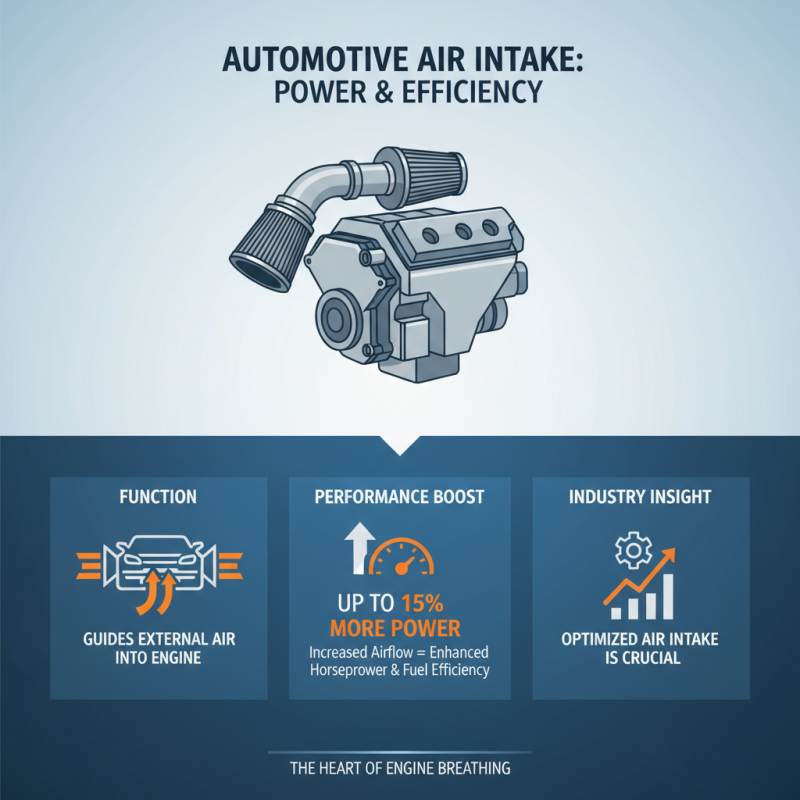
Air intake hoses play a crucial role in engine performance, yet they often go unnoticed. These components are essential for delivering the right amount of air to the engine, significantly influencing combustion efficiency. According to industry reports, proper airflow can boost engine performance by up to 15%. A well-constructed air intake hose ensures optimal air filtration and temperature control, which are crucial for maintaining peak engine function.
However, many car owners overlook the significance of regular inspection and maintenance of air intake hoses. Over time, these hoses can degrade due to heat exposure and environmental factors, leading to leaks or reduced airflow. A study highlighted that up to 25% of vehicles on the road have compromised air intake systems. This degradation can negatively affect fuel economy and engine longevity, often without warning signs.
Investing in high-quality air intake hoses is not just an option; it is a necessity for serious car enthusiasts and everyday drivers alike. The choice between OEM parts and aftermarket options can be challenging. Understanding the unique properties of air intake hoses can guide these decisions, ultimately affecting overall vehicle performance and reliability.
Importance of Air Intake Hoses in Automotive Engines
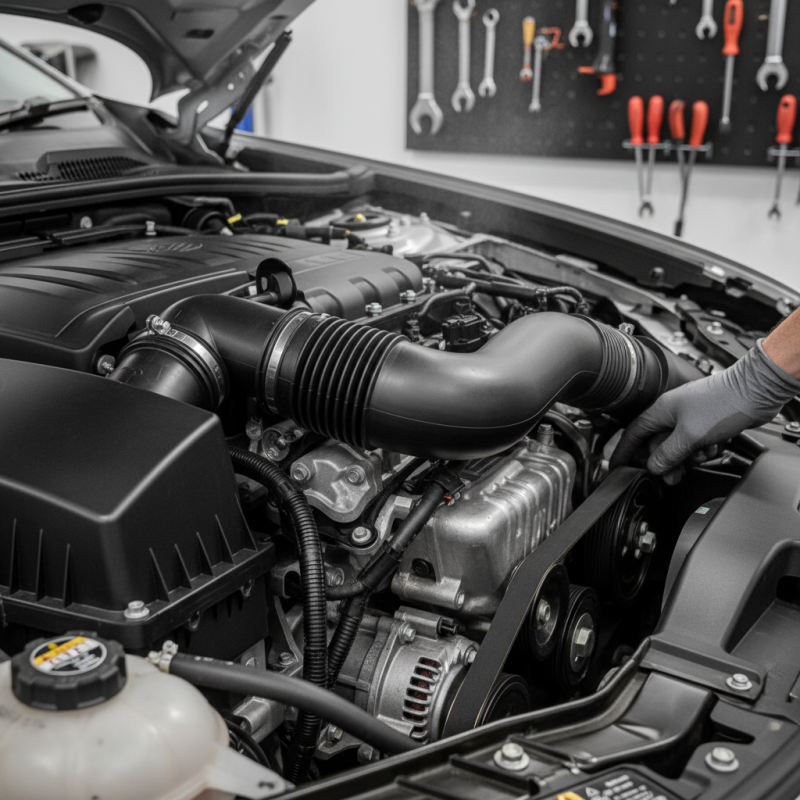
Air intake hoses play a crucial role in automotive engines, as they directly influence performance and efficiency. These components guide airflow from the exterior into the engine's combustion chamber. Increased airflow can enhance engine power and fuel efficiency. According to industry studies, optimizing air intake can improve engine performance by up to 15%.
The materials used in air intake hoses are critical. High-quality materials resist heat and pressure, preventing wear and tear over time. However, not all hoses are created equal. In some cases, lower-quality hoses can lead to air leaks. This diminishes the air-fuel mixture, which negatively impacts engine performance. A report by the SAE International found that improper air intake can cause a 10% reduction in fuel efficiency.
Inconsistencies in hose design can also lead to performance issues. For example, a hose that's too restrictive may hinder airflow. This not only reduces power but can potentially cause engine knock. Regular inspections and timely replacements are essential to maintain optimal engine function. Ignoring air intake hoses can lead to long-term engine damage, an oversight many drivers regret.
Role of Air Intake Hoses in Facilitating Airflow
Air intake hoses play a crucial role in maintaining optimal engine performance. They are responsible for directing air from the exterior into the engine. This airflow is essential for combustion, which powers the vehicle. According to the SAE International report, an efficient air intake system can improve engine performance by up to 10%. This statistic emphasizes the importance of air intake hoses in achieving maximum efficiency.
Cleaning and maintaining these hoses can affect airflow quality. A blockage or damage can significantly reduce air intake, leading to decreased engine performance. Studies indicate that even a 5% restriction in airflow can result in a 10-15% drop in engine output. Regular inspections can help identify issues early. Many drivers overlook this aspect, which can lead to costly repairs and reduced fuel efficiency over time.
Moreover, the design of air intake hoses has evolved. Advanced materials and engineering create a better fit and increased durability. However, installation errors or material degradation can still pose challenges. Utilizing hoses that fit well will prevent leaks and ensure smoother airflow. It reflects an area where more attention could yield noticeable benefits in both performance and longevity. Observing these factors shows a commitment to both vehicle care and performance optimization.
Impact of Air Intake Hose Design on Engine Efficiency
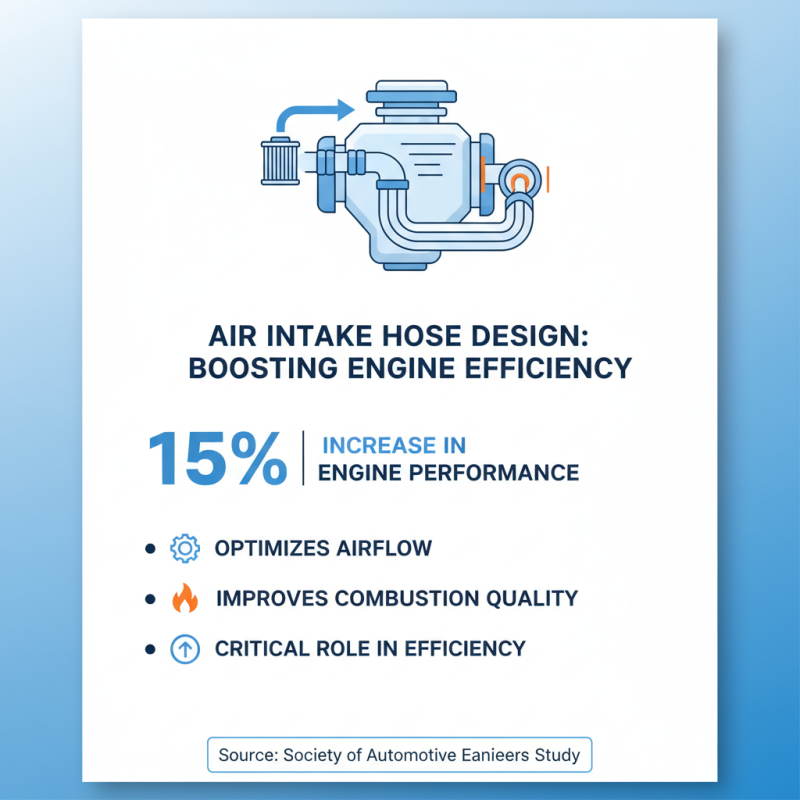
The design of air intake hoses plays a critical role in engine efficiency. These hoses guide air into the engine, impacting combustion quality. According to a study from the Society of Automotive Engineers, improving air intake system design can boost engine performance by up to 15%. This improvement highlights the importance of optimizing airflow.
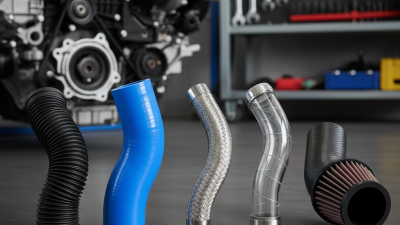
Air intake hoses must be crafted from materials that withstand intense conditions. For instance, silicone hoses can tolerate higher temperatures than traditional rubber. This allows for better airflow and reduced risks of collapse. Inadequate design may lead to turbulence, compromising airflow. According to a report by the Automotive Research Association, up to 10% of horsepower can be lost due to suboptimal hose design.
However, not all designs guarantee enhanced performance. Some aftermarket hoses may enhance airflow yet fail under extreme conditions, causing potential engine damage. A delicate balance between airflow and durability is essential for optimal engine performance. Relying solely on high-flow designs without considering long-term effects can be detrimental. Understanding this intricate relationship is vital for maximizing engine efficiency.
Common Issues Related to Air Intake Hoses
Air intake hoses play a crucial role in maintaining optimal engine performance. However, they often encounter several issues that can affect their function. A common problem is wear and tear from heat and pressure. Over time, these hoses can crack or become brittle. This doesn't just reduce airflow but can also lead to engine inefficiency.
Another significant issue is leaks. A damaged air intake hose allows unfiltered air to enter the engine. This can cause a variety of problems, including reduced horsepower and increased emissions. In some cases, it may trigger warning lights on the dashboard. Regular inspections are essential to catch these issues before they escalate.
Sometimes, installation errors can also create problems. If a hose is not connected properly, it can lead to serious engine performance issues. It's vital to ensure that all connections are secure. Without proper attention, even a minor oversight can have major repercussions. Addressing these issues early can save time and costly repairs later on.
Engine Performance and Air Intake Hose Issues
This bar chart illustrates the impact of various issues related to air intake hoses on engine performance. Effective airflow has the highest impact level, while reduced engine power and increased fuel consumption also significantly affect overall performance.
Maintenance Tips for Ensuring Optimal Air Intake Performance
Regular maintenance of air intake hoses is crucial for optimal engine performance. These hoses are responsible for delivering clean air to the engine. When they become cracked or clogged, airflow is restricted. This can lead to decreased efficiency and performance issues. Keeping them in good condition is essential for a well-functioning vehicle.
Check the hoses regularly for any signs of wear. Look for cracks, leaks, or loose fittings. Even minor damage can disrupt airflow. Cleaning the hoses can also help ensure they function properly. Remove any debris or dirt that might hinder performance. Using a soft brush can make the task easier.
Replacing old or damaged hoses is critical. Over time, hoses may degrade due to heat or exposure to engine fluids. Choosing high-quality replacements can make a big difference. However, even the best hoses need inspection and cleaning. Regular checks can prevent unexpected issues, allowing your engine to perform at its best.