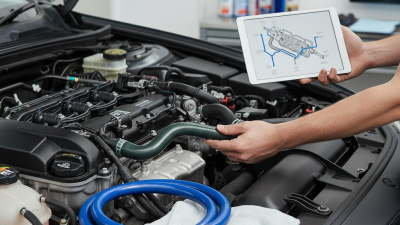
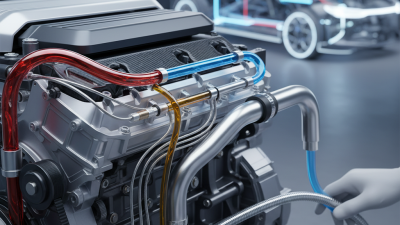
What is the Importance of Plastic and Rubber Tubes for Cars?
The automotive industry relies heavily on plastic and rubber tubes for cars. These components play a crucial role in various systems, from coolant circulation to fuel delivery. According to Dr. Emily Carter, a leading expert in automotive materials, "The performance of plastic and rubber tubes directly impacts vehicle efficiency and safety."
These tubes are lightweight yet durable, which helps improve fuel efficiency. They can withstand extreme temperatures and pressures, making them suitable for various applications. However, manufacturers must continually assess the materials to ensure quality and performance. Flaws in these components can lead to costly repairs and safety risks.
The growing demand for electric vehicles introduces new challenges. The materials used for plastic and rubber tubes must adapt to different systems. Innovations will be necessary to keep pace with changing technology and safety standards. Ensuring these tubes meet certification requirements like ISO or CE is essential for manufacturers to avoid potential failures and maintain consumer trust.
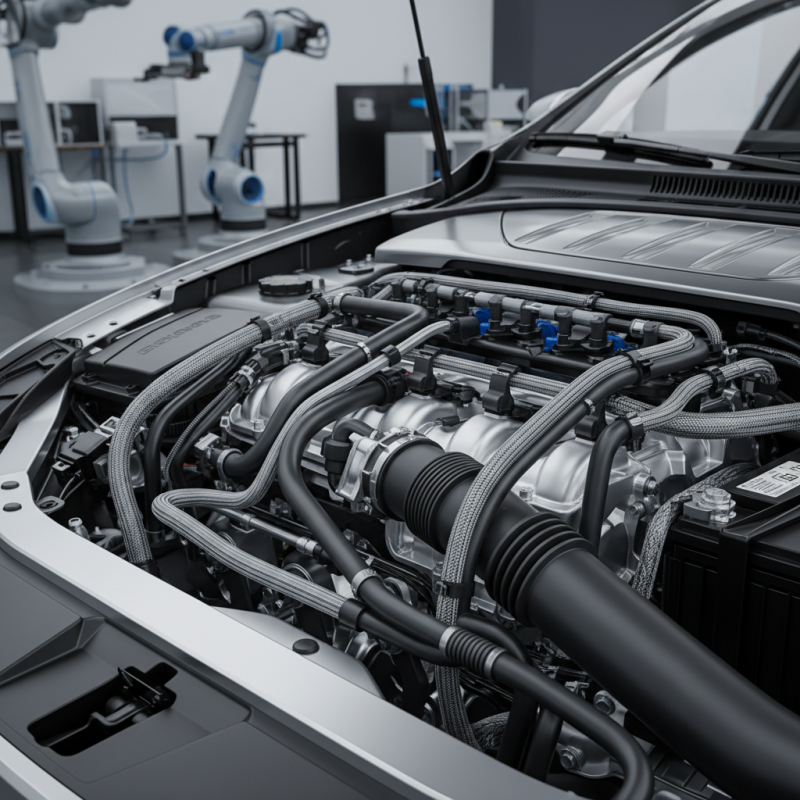
The Role of Plastic Tubes in Automotive Fluid Management Systems
Plastic tubes play a crucial role in automotive fluid management systems. These tubes are lightweight and resistant to corrosion, making them ideal for various vehicles. According to a recent industry report, around 70% of new vehicles use plastic tubing for fluid delivery. This shift to plastics is due to their flexibility and lower manufacturing costs.
Automotive fluids, like coolant and brake fluid, need reliable containment. Plastic tubes can withstand extreme temperatures while ensuring the safe transfer of these vital fluids. They can reduce weight by nearly 20% compared to traditional materials. This reduction in weight can enhance fuel efficiency, which is increasingly important as fuel economy standards become stricter.
However, there are challenges. Some plastic tubes may degrade under certain conditions, affecting their performance. Manufacturers must continually test materials for durability. The industry acknowledges that not all plastics meet performance expectations. This gap highlights the need for ongoing research to improve the reliability of plastic tubing in cars. Investments in new polymers could lead to better solutions in the future.
Comparative Analysis of Plastic and Rubber Tubes for Durability
When considering the durability of plastic and rubber tubes in cars, several factors come into play.
Plastic tubes tend to be lightweight and resistant to corrosion.
They often withstand various environmental factors, such as UV rays and moisture.
This resilience enhances their lifespan. However, they can also become brittle over time.
Extreme temperatures might weaken their structure, leading to potential failures.
Rubber tubes, on the other hand, offer excellent flexibility and are more resilient under stress.
They handle vibrations effectively, which is crucial for vehicle performance.
Despite their benefits, rubber can degrade if exposed to oils or certain chemicals found in automotive systems.
In high-heat conditions, rubber parts might crack or lose elasticity.
Ultimately, choosing between plastic and rubber tubes involves trade-offs.
Users must evaluate the specific requirements of their vehicles.
For some applications, lightweight plastic may be ideal.
In contrast, other situations may demand the strength of rubber.
Regular inspection of both types is vital to ensure safety and reliability on the road.
Applications of Plastic and Rubber Tubes in Engine Cooling Systems
Plastic and rubber tubes play a vital role in automotive engine cooling systems. They transport coolant, ensuring optimal engine temperature. These tubes are flexible, allowing them to fit in tight spaces under the hood. Unlike metal tubes, they resist corrosion and are lightweight, contributing to overall vehicle efficiency.
Engine cooling systems depend heavily on these tubes. They connect the radiator, water pump, and engine block. If one develops a leak, overheating can occur, leading to severe engine damage. Improper installation or low-quality materials can compromise performance. Regular inspections are crucial to avoid failures.
The variety of plastic and rubber materials available poses challenges. Each type has unique properties affecting its lifespan and performance. Using the wrong tube can lead to issues. Engineers must be diligent in selecting the right tubes. Testing and quality control are essential but often overlooked. The balance between cost and quality is always in question.
What is the Importance of Plastic and Rubber Tubes for Cars? - Applications of Plastic and Rubber Tubes in Engine Cooling Systems
| Material Type |
Common Applications |
Temperature Resistance (°C) |
Flexibility |
Durability |
| Plastic |
Coolant Hoses, Air Intake Tubes |
-40 to 100 |
Moderate |
Good |
| Rubber |
Radiator Hoses, Brake Lines |
-30 to 120 |
High |
Excellent |
| Silicone |
High-Performance Cooling Systems |
-60 to 200 |
Very High |
Very Good |
| Thermoplastic Elastomer (TPE) |
Fuel Lines, Transmission Hoses |
-40 to 100 |
Moderate to High |
Good |
Impact of Material Selection on Vehicle Performance and Safety
The selection of materials for plastic and rubber tubes in vehicles directly impacts performance and safety. For instance, in automotive engineering, the right tube composition can enhance resistance to heat and pressure. According to a 2021 industry report, approximately 30% of vehicle malfunctions are linked to subpar tubing materials. This highlights how crucial material choice is in the overall design.
Additionally, the flexibility and durability of tubes influence vehicle handling. A study revealed that using high-quality rubber tubes can improve suspension performance, leading to a smoother ride. However, many manufacturers still opt for cheaper alternatives, often sacrificing quality for cost. This results in increased repair costs and potential safety issues, as inferior materials may degrade faster under extreme conditions.
Moreover, environmental considerations complicate material selection. Renewable plastics are emerging, but they may not always offer the same performance levels. Striking a balance between sustainability and functionality is challenging. Emphasizing solid material selection is vital for improving vehicle reliability and ensuring driver safety on the road.