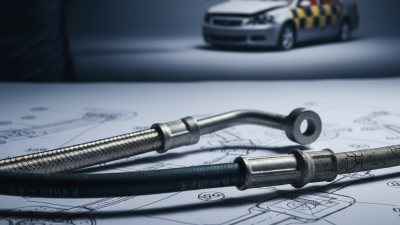
What is the Role of Plastic and Rubber Tubes for Cars?
In the automotive industry, the significance of plastic and rubber tubes for cars cannot be overstated. According to Dr. Emily Zhang, a leading expert in automotive materials, “Plastic and rubber tubes enhance vehicle performance by optimizing fluid management and reducing weight.” This statement reflects the critical roles these materials play in modern vehicles.
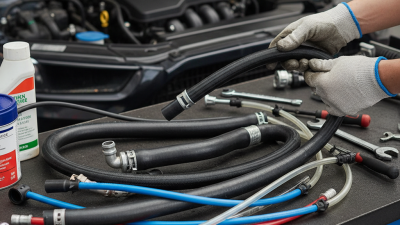
Plastic and rubber tubes are essential components in various car systems. They deliver fuel, coolant, and air, ensuring smooth operation. The lightweight nature of these materials contributes to better fuel efficiency and handling. However, the industry faces challenges in ensuring durability and sustainability.
While advancements in technology have improved tube production, there remains room for improvement. Issues like chemical degradation and environmental impact raise questions. The industry must balance performance with eco-friendliness. As we delve into the specific functions and innovations involved, understanding these complexities becomes crucial for the future of plastic and rubber tubes for cars.
Understanding the Composition of Plastic and Rubber Tubes in Automobiles
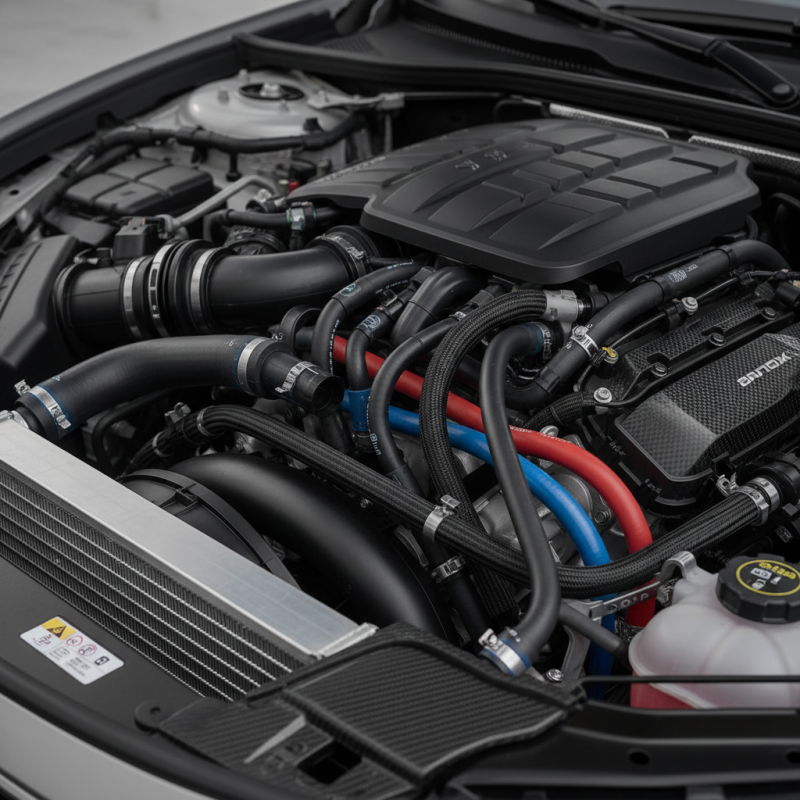
Plastic and rubber tubes play a critical role in the automotive industry. They are essential for various functions, including fluid transport and air intake. The composition of these tubes typically includes thermoplastics, such as polypropylene and PVC, alongside elastomers like natural and synthetic rubber. These materials are chosen for their durability, flexibility, and resistance to temperature changes.
According to a study by MarketsandMarkets, the global automotive plastics market was estimated to reach $42.9 billion by 2025. This growth indicates a significant reliance on plastic components, including tubes, for vehicle manufacturing and maintenance. However, there are concerns about the long-term effects of these materials. While they are lightweight and cost-effective, questions arise regarding their recyclability and environmental impact. Some plastics can take hundreds of years to decompose.
Rubber tubes also address different operational challenges. They are often used in fuel systems, brake lines, and transmission systems, emphasizing safety and performance. The choice of materials impacts not only functionality but also regulatory compliance. The emissions standards put pressure on manufacturers to innovate. While advancements are being made, the industry still faces a need for more sustainable solutions. Balancing performance and eco-friendliness remains a puzzle that requires ongoing discussion.
The Functional Importance of Tubes in Automotive Systems and Components
Plastic and rubber tubes play a crucial role in automotive systems. They are fundamental for fluid transfer, ensuring proper operation of various components. These tubes carry fuel, coolant, and hydraulic fluids. Their durability and flexibility allow them to withstand harsh environments. Improper tube selection can lead to leaks or failures, affecting vehicle performance.
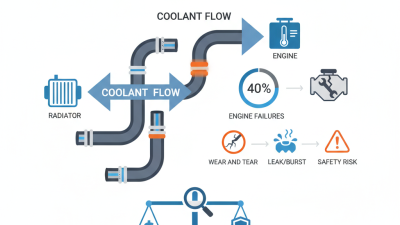
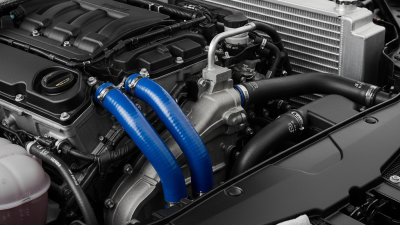
In engine systems, tubes manage heat and pressure. For example, a rubber hose connects the radiator to the engine. It must handle high temperatures and pressures. If it fails, the engine can overheat. This highlights the importance of using quality materials.
Additionally, tubes contribute to overall vehicle safety. They help maintain efficient braking systems. Quality tubes ensure a consistent flow of brake fluid. However, they can wear over time, leading to issues. Regular inspection is essential. This simple maintenance can prevent dangerous situations on the road. Awareness of tube condition is vital for reliable vehicle performance.
The Role of Plastic and Rubber Tubes in Automotive Systems
This chart illustrates the importance of different types of plastic and rubber tubes in automotive systems, rated from 1 to 10. Fuel tubes have the highest importance rating due to their critical role in engine performance, followed by brake hoses and cooling hoses, which are vital for safety and efficiency, respectively.
Common Applications of Plastic and Rubber Tubes in Car Design
Plastic and rubber tubes play a vital role in car design. They are commonly used in various applications due to their flexibility and durability. For instance, these tubes are essential in fuel delivery systems. They transport gasoline from the fuel tank to the engine efficiently. If these tubes crack or degrade, fuel leaks can occur, posing safety hazards.
In addition to fuel systems, plastic and rubber tubes are found in cooling systems. They help circulate coolant throughout the engine, managing its temperature. These tubes must withstand high pressure and temperature. Any failure here can lead to overheating, which can damage the engine irrevocably. The reliability of these components cannot be overstated, as they contribute to overall vehicle performance.
However, not all tubes maintain high performance. Some may wear out prematurely due to harsh conditions. Temperature fluctuations can lead to brittleness or cracking. Regular inspections are crucial but often overlooked. Awareness of these factors ensures better maintenance and helps prevent costly repairs. The importance of quality in material selection remains a significant area for reflection.
Maintenance Considerations for Plastic and Rubber Tubes in Vehicles
Plastic and rubber tubes play a crucial role in a vehicle's overall performance. They are used for various functions, including fluid transfer and air circulation. Due to their flexibility and resistance to corrosion, these materials serve well in demanding conditions. However, regular maintenance is essential to ensure they perform effectively over time.
Inspecting these tubes for wear and tear is critical. Cracks or leaks can lead to significant issues in the engine or cooling system. It’s important to check connectors and fittings for signs of damage. Sometimes, the tubes can become hard or brittle, especially in extreme temperatures. Replacing aging tubes before they fail can save on costly repairs.
Cleaning is another maintenance aspect that’s often overlooked. Dirt and grime can buildup and hinder performance. Using gentle cleaning solutions can help maintain the integrity of the material. Additionally, stretching and bending tubes artificially during installation can weaken them. Careful handling is necessary to avoid compromising their lifespan. Ignoring these details can lead to unexpected troubles on the road.
What is the Role of Plastic and Rubber Tubes for Cars? - Maintenance Considerations for Plastic and Rubber Tubes in Vehicles
| Dimension |
Description |
Maintenance Considerations |
| Material Type |
Plastic and rubber tubes are used for various fluids in the vehicle, including coolant, fuel, and brake fluid. |
Regular inspections for cracks, leaks, or wear are essential. |
| Temperature Resistance |
These tubes must withstand a wide range of temperatures, from low temps in winter to high under-the-hood conditions. |
Check for signs of thermal degradation, such as hardening or discoloration. |
| Pressure Ratings |
Tubes must be rated for the pressure of the fluids they carry, particularly in fuel and coolant systems. |
Ensure that tubes remain intact under pressure and replace any that show signs of bulging or leaks. |
| Compatibility |
Materials used must be compatible with the fluids to prevent chemical degradation. |
Verify that new replacements match the specifications of the fluids they will handle. |
| Installation |
Proper installation techniques are crucial to prevent hose failure. |
Follow manufacturer guidelines and check for tight seals and correct routing. |
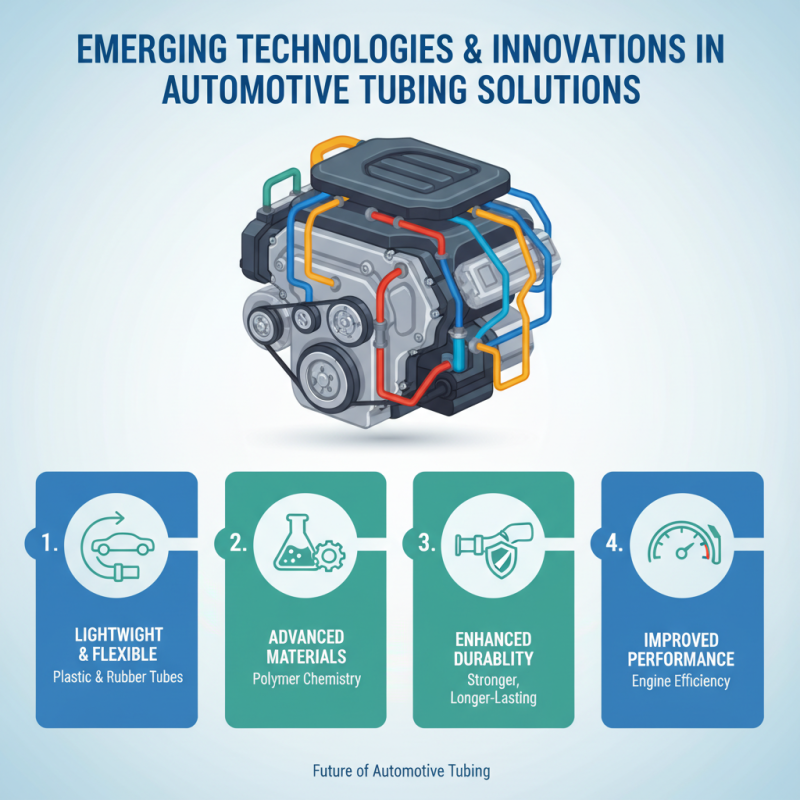
Emerging Technologies and Innovations in Automotive Tubing Solutions
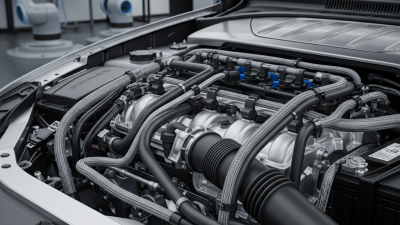
The automotive industry is witnessing rapid advancements in tubing solutions. Plastic and rubber tubes have become essential components in modern vehicles. These materials are favored for their lightweight nature and flexibility. Innovations in polymer chemistry are leading to stronger and more durable tubing. This helps improve engine performance and efficiency.
Emerging technologies, such as 3D printing, are revolutionizing how tubes are manufactured. Customization options are increasing, allowing for tailored solutions that meet specific automotive needs. However, this technology raises questions about standardization and quality control. There's a delicate balance between innovation and reliability.
Despite these advancements, challenges remain. For instance, the environmental impact of plastic production needs addressing. Recycling methods for used tubing are still developing. The industry must also explore alternatives to traditional materials. These reflections highlight the ongoing journey toward more sustainable automotive solutions. Each innovation presents opportunities and obstacles in equal measure.