Essential Tips for Choosing Plastic and Rubber Tubes for Cars
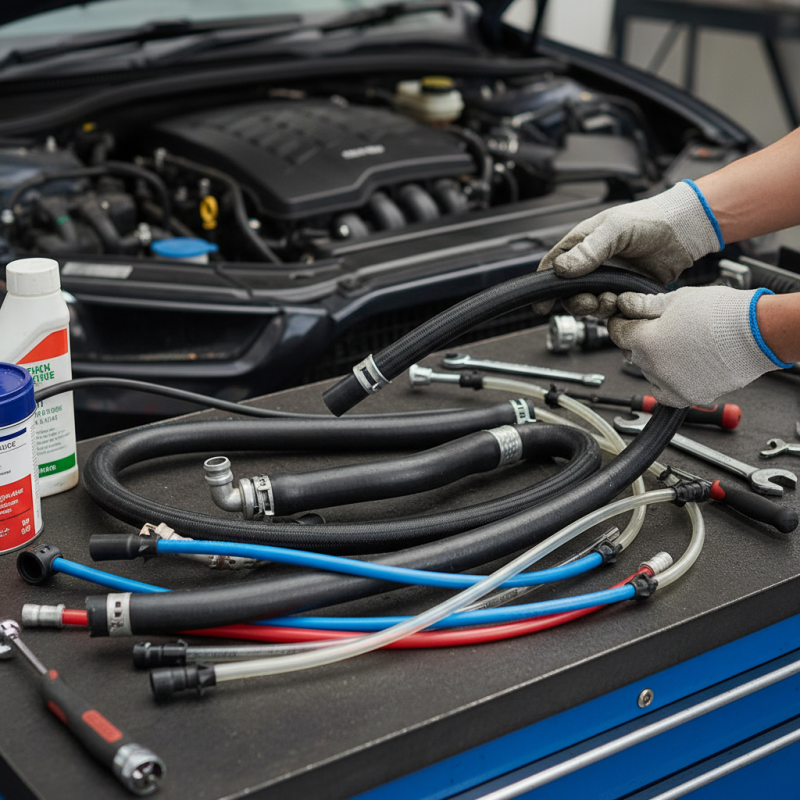
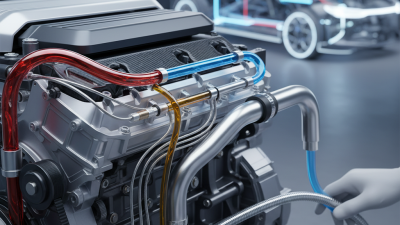
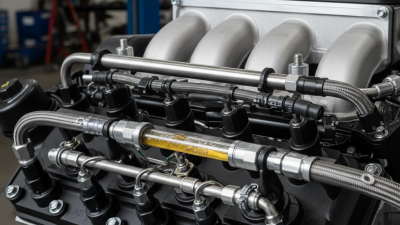
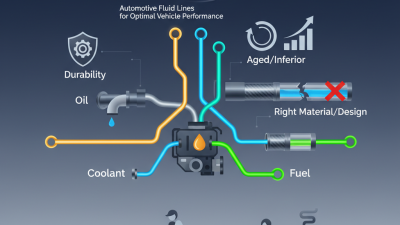
When it comes to maintaining vehicles, choosing the right components is crucial. One often overlooked area is the selection of plastic and rubber tubes for cars. These tubes play vital roles in various systems, from fuel delivery to cooling systems.
Selecting the proper material, size, and type can greatly impact performance and durability. For example, some rubber tubes are resistant to heat and chemicals, while others may not withstand extreme conditions. It's essential to assess the specific requirements of your car.
Moreover, not all plastic and rubber tubes are created equal. Poor-quality tubes can lead to leaks or failures, resulting in costly repairs. A thorough consideration of the specifications and potential risks is necessary. Car owners may find themselves reflecting on past choices and their impact on vehicle reliability. Making informed decisions can ultimately enhance the longevity and safety of the car.
Factors to Consider When Selecting Plastic Tubes for Automotive Use
When selecting plastic tubes for automotive use, consider several crucial factors. First, the tube material should have good chemical resistance. Automotive fluids, including oils and coolants, can cause degradation. According to a study by the Society of Automotive Engineers, nearly 30% of tubing failures are due to material incompatibility.
Next, measure the temperature range the tubes will experience. Some plastics, like PVC, may fail at higher temperatures. Choose materials that can withstand thermal extremes. For instance, polyethylene is often used for fuel lines, but it may not hold up under heat for long. Also, pay attention to the diameter and wall thickness. Incorrect sizing can lead to leaks or bursts.
Tips: When choosing tubes, prioritize flexibility over rigidity for applications like brake lines. Tight bends require more flexible materials. Always test your choice in real conditions. Check for any signs of wear and modify your selection process as needed. Regular feedback loops in testing can prevent costly failures down the line. Research suggests that a proactive approach can reduce the risk of component failure by up to 25%.
Understanding the Different Types of Rubber Tubes Suitable for Cars
When choosing rubber tubes for cars, it’s crucial to consider the variety of types available. Different car systems demand specific rubber tube features. For instance, coolant hoses require high-temperature resistance, while fuel lines need to withstand various chemicals.
Look for rubber tubes with durable construction. Check for their heat tolerance and flexibility. Some tubes are reinforced, providing additional strength. This feature is essential in harsh environments. Remember, not all rubber materials perform equally. Consider weather and ozone resistance for outdoor applications.
When selecting plastic tubes, focus on their pressure ratings. Different uses in cooling, fuel, or air systems require unique specifications. Ensure a proper fit to avoid leaks or failures.
Here are some tips: Always measure before purchasing. Double-check if the material is compatible with your car’s fluids. Don’t hesitate to ask experts for advice. Quality can sometimes be overlooked, so prioritize reliable options. The right choice today can save you trouble later.
Essential Tips for Choosing Plastic and Rubber Tubes for Cars
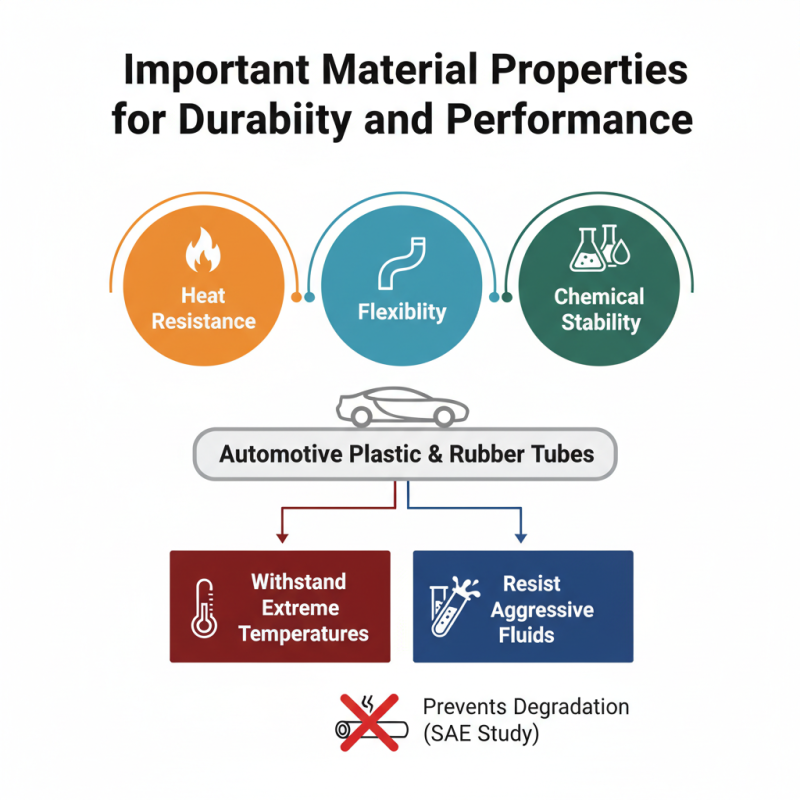
Important Material Properties for Durability and Performance
When choosing plastic and rubber tubes for automotive applications, material properties play a crucial role. According to the Society of Automotive Engineers, heat resistance, flexibility, and chemical stability are key factors. Tubes must withstand extreme temperatures and aggressive substances. For instance, a study indicated that materials can degrade after exposure to high heat and automotive fluids.
Durability is another essential aspect. Tubes made from reinforced compounds can extend service life significantly. Reports show that high-performance rubber can last up to 50% longer than standard options under similar conditions. However, not all materials perform optimally. Testing reveals that some common types may fail quickly due to pressure changes and vibrations during operation.
Considering these factors, testing various tubes in real-world scenarios is necessary. While some materials seem adequate, they may not hold up under stress. This inconsistency highlights the need for careful selection. A thorough understanding of material properties can lead to better choices, enhancing durability and performance in automotive applications.
Installation Tips for Maximizing Life of Tubes in Vehicles
When installing plastic and rubber tubes in vehicles, proper placement ensures durability. Start by checking the alignment. Misaligned tubes can lead to leaks. Ensure that all connections are secure. A loose connection might seem small, but it can lead to severe issues over time.
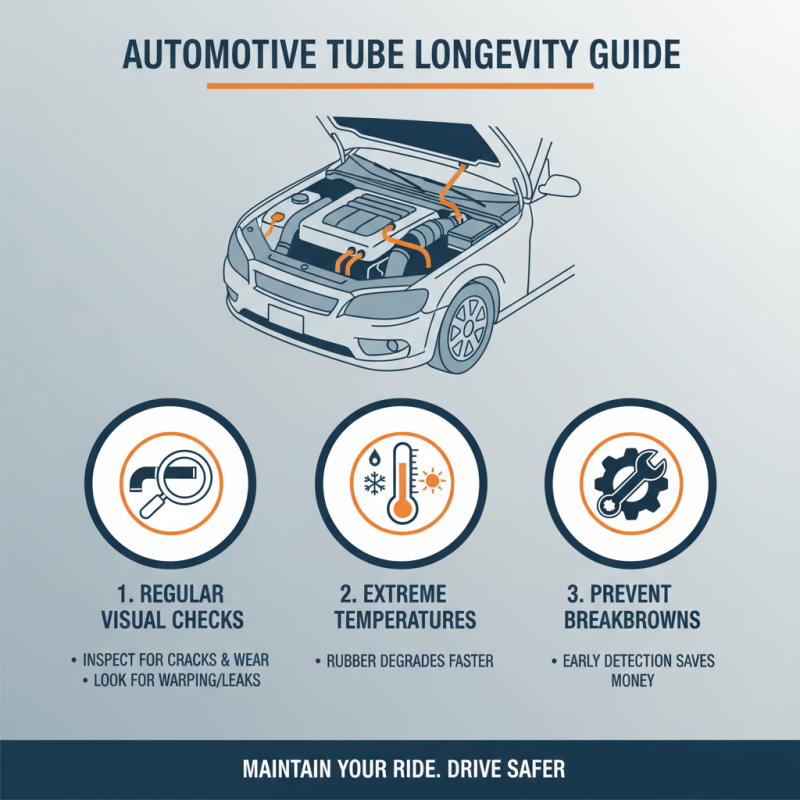
Using the right fittings is crucial. Cheap fittings can wear out quickly. They might not fit snugly, causing early failure of the tube. Always inspect the tube for any signs of wear. A small crack can develop into a significant problem. Pay attention to the environment the tubes are exposed to. Heat and chemicals can accelerate degradation, leading to a failure that could cost a lot.
After installation, monitor the tubes regularly. Looking for signs of wear can save money. Remember to replace any damaged parts promptly. It’s easy to overlook minor issues. However, they can escalate into major repairs if ignored. Keeping a regular maintenance schedule is a good practice. It can help extend the life of your tubes and keep your vehicle running smoothly.
Essential Tips for Choosing Plastic and Rubber Tubes for Cars - Installation Tips for Maximizing Life of Tubes in Vehicles
| Criteria |
Plastic Tubes |
Rubber Tubes |
| Material Strength |
High resistance to pressure |
Good flexibility and resilience |
| Temperature Resistance |
Moderate, specific grades can withstand higher temps |
Excellent, suitable for high-temperature applications |
| Chemical Resistance |
Good against oils, fuels |
Not as resistant, can degrade over time |
| Weight |
Lightweight |
Heavier than plastic tubes |
| Cost |
Generally lower |
Usually more expensive |
| Lifespan |
5-10 years with proper care |
3-7 years depending on usage |
| Installation Ease |
Easy to cut and fit |
May require more tools for fitting |
| Maintenance |
Minimal, inspect regularly |
Regular checks needed for wear |