



Advanced Extrusion Products for Next-Gen EV Battery Sealing Systems
The electrification revolution demands precision extrusion products that exceed traditional performance thresholds. With lithium-ion batteries generating 160°C during thermal runaway, automotive extrusion products must deliver:
● Compression set resistance <20% (ISO 815-B) after 1,000hrs at 150°C
● Dielectric strength >25kV/mm to prevent high-voltage creepage
● Coolant immersion stability with <5% volume swell (ASTM D471)
Material & Manufacturing Innovations
Leading suppliers now deploy ternary polymer systems for high-performance extrusion products:
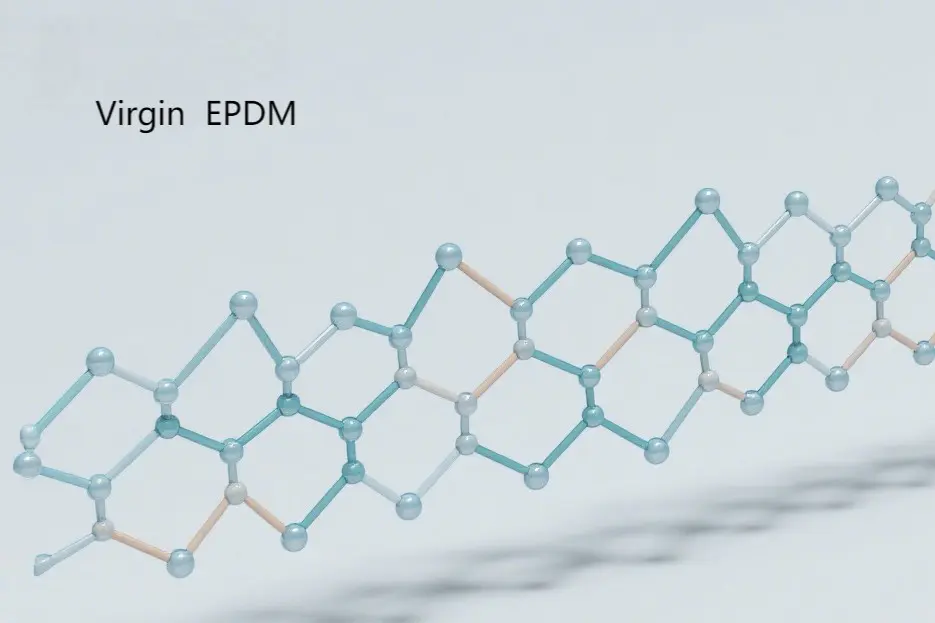
● Fluorosilicone-EPDM Hybrids: Maintain 85% elongation at -50°C
● Conductive Nanocomposites: Achieve 10³ S/m conductivity
● Microcellular Structures: 40% density reduction via MuCell® tech
Tesla’s Cybertruck exemplifies advanced extrusion manufacturing with laser-welded TPE seals (0.4mm thickness) enabled by:
● Robotic extrusion (0.1mm path accuracy)
● In-line CT scanning (<50μm void detection)
Market Growth Drivers
Global EV production will reach 25M units by 2026 (BloombergNEF), driving battery seal ASP to $18-22/vehicle. Chinese Tier 1 suppliers report 300% YoY growth in sealing extrusion products through:
● IP69K-rated laboratories
● 200+ formulation databases
Automated testing stations
The growing demand for electric vehicles (EVs) has placed significant pressure on battery manufacturers to improve both performance and safety. In this context, extrusion products are playing a pivotal role in sealing systems that protect high-voltage battery packs from moisture, dust, and mechanical stress. These extrusion profiles are often made from thermoplastic elastomers or fluoropolymers, chosen for their excellent chemical resistance and long-term durability under extreme temperatures.
One of the key innovations is the use of multi-lip sealing designs in extrusion products, which provide redundant protection layers—ensuring that even if one seal fails, others remain intact. This redundancy is essential for meeting automotive safety standards such as ISO 815-B/25kV/mm, particularly in regions with harsh climates or frequent temperature fluctuations.
Moreover, the integration of extrusion products into modular battery platforms allows for easier maintenance and replacement of individual components, reducing downtime and service costs. OEMs like Tesla and BYD have already adopted such sealing solutions in their latest models, demonstrating the industry-wide shift toward more reliable and scalable extrusion-based sealing technologies.
As EV production scales up globally, the demand for high-performance extrusion products will continue to rise. Suppliers who can offer customized, high-precision extrusions tailored to specific battery architectures will be well-positioned to capture market share in this rapidly evolving sector.
In addition to material innovation, the design of extrusion products is evolving with modular sealing systems that allow for rapid assembly and disassembly in high-volume production lines. These systems are especially critical for achieving ISO/TS 16949 compliance and reducing downtime during battery pack maintenance.
Strategic Insight: OEMs now mandate AS9100 aerospace controls for safety-critical extrusion products, requiring full material traceability to mitigate thermal incident liabilities.