Top 10 Benefits of TPU TPV Hoses in Industrial Applications?
In industrial settings, choosing the right hoses is crucial. TPU TPV hoses have gained popularity for their unique advantages. These hoses are known for their durability and flexibility. They perform well in various conditions, from extreme temperatures to chemical exposure.
TPU TPV hoses offer significant benefits in diverse applications. Their lightweight nature eases handling during installation. The resistance to abrasion and tearing ensures longevity. Industries such as automotive and food processing rely on these hoses for consistent performance. Each application highlights the advantages and importance of selecting the right materials.
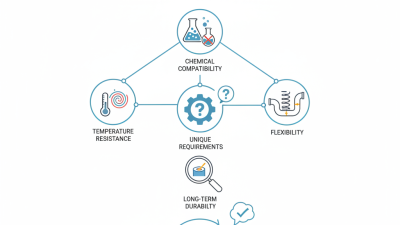
However, it's essential to consider specific requirements. Not all TPU TPV hoses will suit every application. Users must evaluate their needs carefully. This detailed examination can prevent costly and inefficient mistakes. Embracing the strengths of TPU TPV hoses can lead to better operational efficiency and reliability.
Benefits of TPU Hoses in High-Temperature Environments
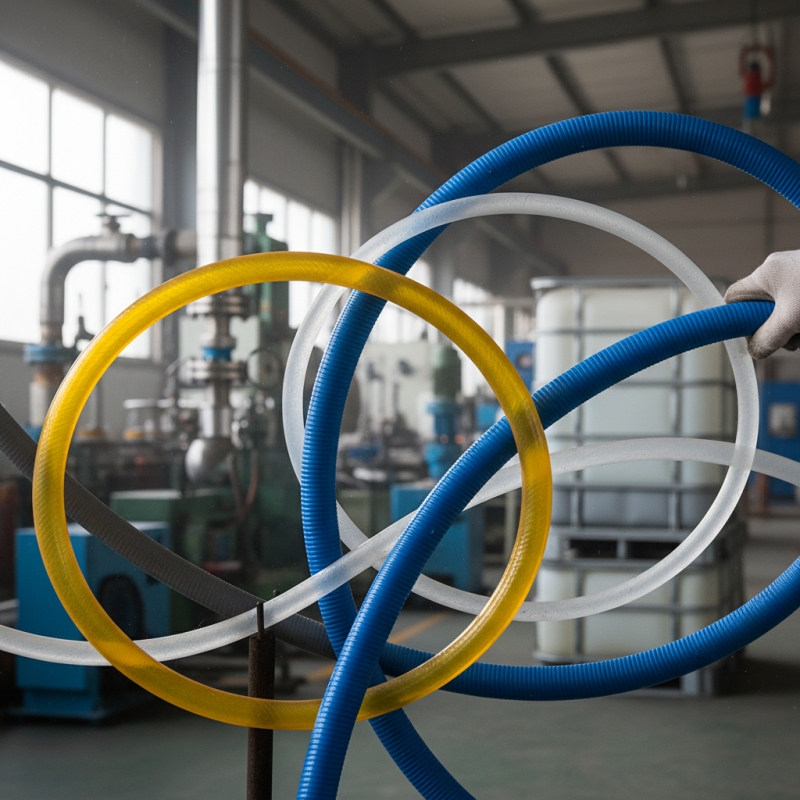
TPU hoses are increasingly favored in high-temperature industrial settings. These hoses can withstand temperatures exceeding 100°C (212°F) while maintaining flexibility and durability. Reports indicate they maintain their structural integrity under thermal stress better than traditional materials. In heat-exposed areas, this translates to reduced wear and tear, minimizing replacement costs.
Moreover, TPU hoses exhibit excellent chemical resistance. In environments with aggressive fluids or gases, their performance is crucial. Studies show that TPU materials can outperform rubber and PVC by up to 40% in specific applications. However, users must regularly inspect for degradation, even though TPU has superior longevity.
Yet, some challenges remain. High temperatures can lead to unexpected brittleness in certain TPU grades. Manufacturers need to provide comprehensive guides on operating limits to prevent premature failure. Understanding the material’s nuances is key. Frequent training and awareness of installation best practices can reduce risks. Therefore, while TPU hoses are advantageous, ongoing education ensures optimal use in demanding applications.
Durability and Chemical Resistance of TPV Hoses in Industry
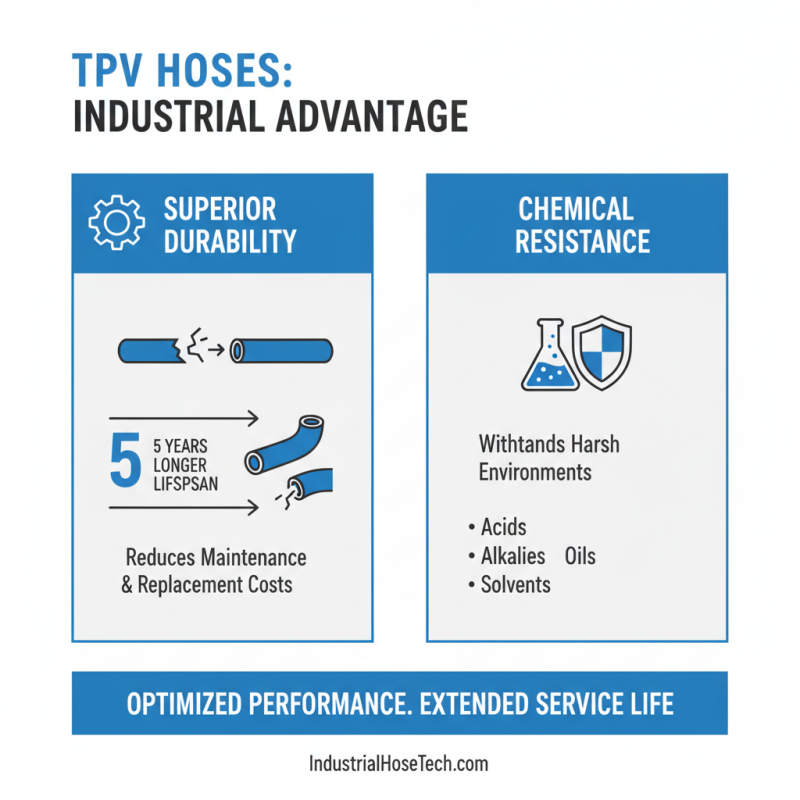
In industrial applications, the durability and chemical resistance of Thermoplastic Vulcanizate (TPV) hoses are crucial. These hoses are designed to withstand harsh environments. Reports show that TPV hoses can last up to five years longer than traditional rubber hoses under certain conditions. This extended lifespan reduces maintenance and replacement costs significantly.
Chemical resistance is another key benefit. TPV hoses can resist a wide range of chemicals, from acids to oils. Studies indicate that they maintain integrity when exposed to many aggressive substances. This quality makes them suitable for various sectors, including automotive and manufacturing.
While TPV hoses offer several advantages, some challenges exist. For example, they may not be suitable for extreme temperatures. In cold environments, flexibility can become an issue. Users must consider specific application requirements carefully. Understanding both the strengths and limitations of TPV hoses is essential for industries aiming to optimize performance.
Flexibility and Lightweight Characteristics of TPU and TPV Hoses
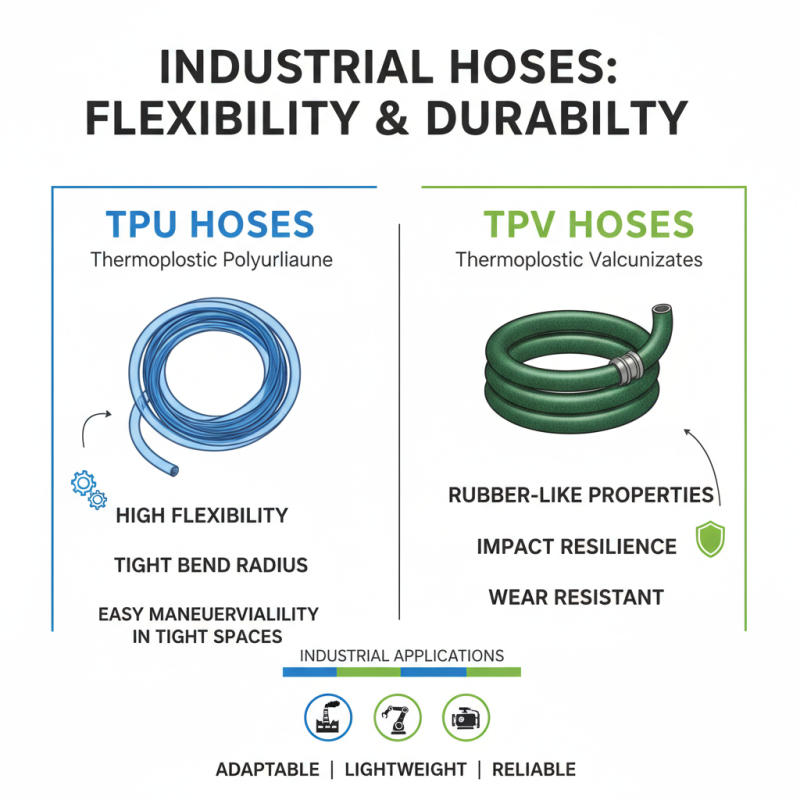
The flexibility and lightweight characteristics of TPU and TPV hoses make them ideal for various industrial applications. TPU (Thermoplastic Polyurethane) offers excellent bend radius, which allows for easy maneuverability in tight spaces. This flexibility is essential in many environments where equipment must adapt to dynamic conditions. TPV (Thermoplastic Vulcanizates) complements this with its rubber-like properties, providing resilience against impact and wear.
Industry reports indicate that TPU hoses can reduce weight by up to 50% compared to traditional hoses. This weight reduction translates to easier handling and reduced strain on equipment and workers. Moreover, the lightweight nature of these hoses enhances installation efficiency. Workers can manage hoses without the need for excessive lifting or adjustment.
Tips: Choose hoses based on the specific environment. For very high or low temperatures, assess the hose’s thermal properties. Also, consider the required flexibility; some applications demand more stiffness. Don't overlook wear factors. While TPU and TPV offer durability, unavoidable wear may occur over time. Regular inspections can prevent unexpected breakdowns.
Cost-Effectiveness of TPU and TPV Hoses for Industrial Use
In industrial settings, cost-effectiveness is crucial. TPU and TPV hoses offer a range of advantages that can lead to significant savings. For instance, these hoses are lightweight, making them easy to handle and install. Their flexibility reduces the need for complicated piping systems, simplifying the overall design. This can reduce labor costs during installation, as fewer components are required.
Moreover, TPU and TPV hoses have excellent wear resistance. They can withstand harsh conditions, leading to a longer lifespan. This durability reduces the frequency of replacements, offering further savings over time. It's essential to consider the initial investment compared to the long-term benefits. Some might overlook these factors and face unexpected expenses later.
Another aspect worth noting is the energy efficiency of these hoses. Their smooth inner surface minimizes friction, leading to lower energy costs during operation. This advantage often gets neglected as people focus solely on upfront prices. It’s vital to evaluate all these aspects comprehensively to avoid costly mistakes down the line. Investing in quality can lead to financial benefits that extend well beyond the initial purchase.
Environmental Impact and Sustainability of TPU and TPV Hoses
TPU and TPV hoses are increasingly important in industrial applications due to their sustainability benefits. They are made from thermoplastic elastomers, which are generally more environmentally friendly compared to traditional materials. These hoses can be recycled, reducing waste in landfills. This aspect makes them appealing to industries aiming for greener practices.
Moreover, the production process of TPU and TPV is less harmful to the environment. The materials can be manufactured with fewer toxic chemicals, lowering the carbon footprint. However, it’s essential to address that not all TPU and TPV products are created equal. Some may still contain additives that could impact sustainability.
End-of-life disposal also poses challenges. While these hoses are recyclable, the infrastructure for recycling them is not universally available. This inconsistency can lead to waste issues if not managed properly. Awareness and improvements in recycling processes are necessary for optimizing their environmental impact.