How to Choose the Right TPU TPV Hoses for Your Applications?
Choosing the right TPU TPV hoses for your applications is crucial. These hoses are widely used in various industries such as automotive, construction, and medical. Their properties, including flexibility and resistance to abrasion, make them desirable in many applications. However, selecting the correct type may not be straightforward.
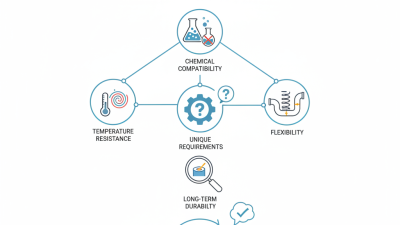
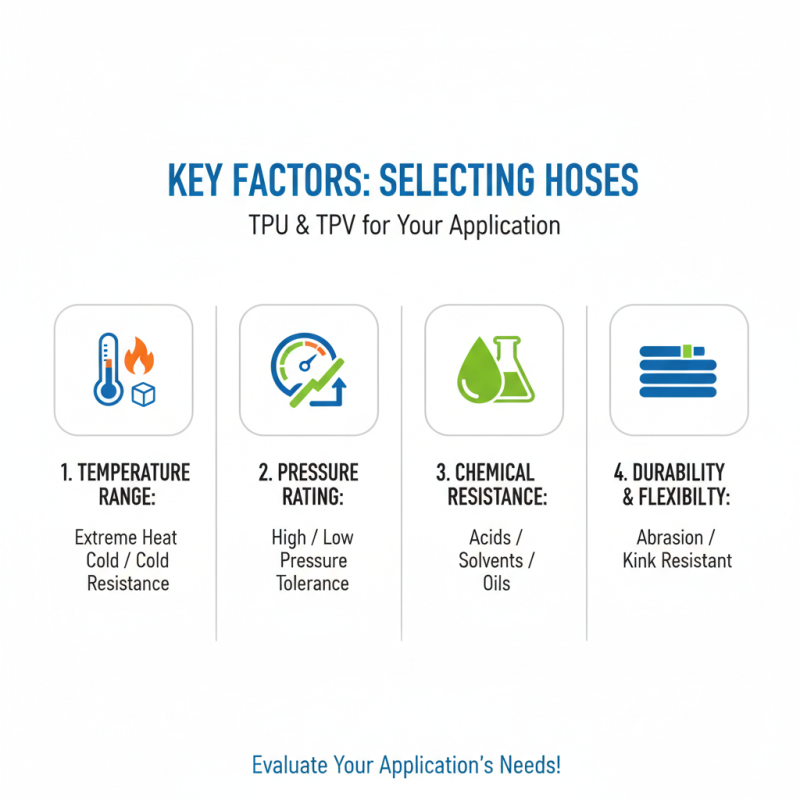
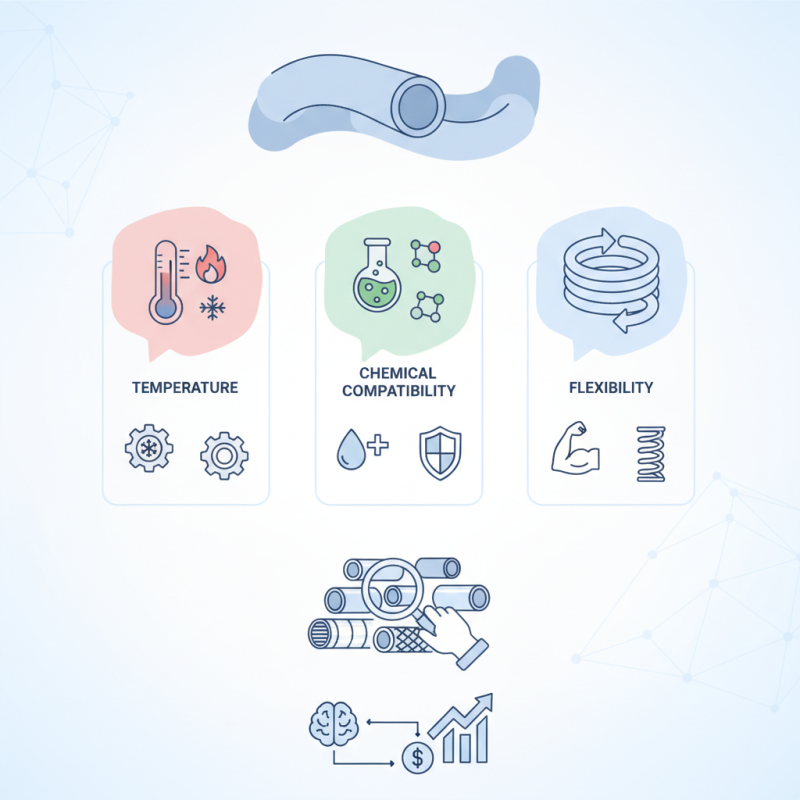
You need to consider specific requirements like temperature range, chemical compatibility, and flexibility. Not all TPU TPV hoses are created equal. Some might excel in high-temperature environments, while others may be better suited for low-pressure applications. Finding the right match can be challenging. Many users overlook these factors, often leading to performance issues.
Experience plays a vital role in making the right choice. Understanding the unique features of different TPU TPV hoses can improve operational efficiency. Although it is tempting to choose based solely on cost, investing in quality often pays off. A well-chosen hose can enhance system reliability and reduce maintenance costs over time. Reflect on your needs and seek expert guidance when evaluating your options.
Understanding TPU and TPV Hoses: A Comparative Overview
When comparing TPU and TPV hoses, understanding their characteristics is crucial. TPU, or thermoplastic polyurethane, offers excellent flexibility and resistance to abrasion. It performs well under various temperatures and has a great elasticity. This makes TPU suitable for demanding applications like automotive and aerospace industries. Its durability ensures longer service life and less frequent replacements.
On the other hand, TPV, or thermoplastic vulcanizate, combines the best of rubber and plastic. It provides enhanced weather resistance and UV stability. TPV hoses are often preferred for outdoor applications, as they resist cracking under extreme conditions. Their resilience under harsh environments is noteworthy. However, the compatibility with certain chemicals can be a concern.
Evaluating your specific needs is vital. Consider factors like temperature range and chemical exposure. Some users overlook the importance of these details. Misjudgment can lead to performance issues or early replacements. Both TPU and TPV hoses have strengths and weaknesses. Recognizing these will guide you in making a more informed choice.
Comparison of TPU and TPV Hoses in Various Applications
Evaluating Performance Characteristics of TPU and TPV Hoses
When selecting TPU and TPV hoses, performance characteristics play a vital role. TPU hoses are known for their excellent flexibility and high abrasion resistance. This makes them suitable for applications requiring constant movement. On the other hand, TPV hoses provide superior chemical resistance. Industries dealing with harsh chemicals often prefer TPV for durability.
It’s crucial to assess the temperature range of each hose. TPU excels in cold environments, maintaining flexibility. Yet, extreme heat can cause it to soften. TPV can withstand higher temperatures. However, it may become rigid in very cold conditions. The right choice will depend on the specific temperature challenges of your application.
Additionally, consider the pressure ratings of the hoses. TPU hoses often handle lower pressures effectively. However, when it comes to high-pressure environments, TPV hoses generally outperform TPU. This performance could influence the lifespan and efficiency of the equipment in use. It's essential to reflect on these characteristics, as overlooking them may lead to operational failures and unnecessary costs.
How to Choose the Right TPU TPV Hoses for Your Applications? - Evaluating Performance Characteristics of TPU and TPV Hoses
| Property |
TPU (Thermoplastic Polyurethane) |
TPV (Thermoplastic Vulcanizate) |
| Flexibility |
High Flexibility |
Moderate Flexibility |
| Temperature Resistance |
-30°C to 80°C |
-40°C to 100°C |
| Chemical Resistance |
Good |
Excellent |
| Abrasion Resistance |
Good |
Very Good |
| Oil Resistance |
Poor |
Good |
| Applications |
Medical, Automotive |
Industrial, Consumer Goods |
Common Applications for TPU and TPV Hoses in Various Industries
TPU (Thermoplastic Polyurethane) and TPV (Thermoplastic Vulcanizates) hoses are widely used across various industries. Their versatility makes them a popular choice in environments that require flexibility and durability. TPU hoses are commonly found in applications such as medical devices, energy, and pneumatic systems. TPV hoses excel in automotive and industrial settings, offering excellent resistance to harsh chemicals and extreme temperatures.
In the food and beverage industry, TPU hoses are favored for their ability to handle high temperatures and maintain purity. A recent industry report highlighted that the global market for TPU hoses is expected to reach USD 1.5 billion by 2026. TPV hoses, with their superior abrasion resistance, are often utilized in heavy machinery and construction sites. Their mechanical properties ensure reliability in demanding conditions.
Tip: Assess the specific requirements of your application before choosing a hose material. Consider factors such as temperature, chemical exposure, and flexibility.
Different industries may require different specifications. For instance, medical-grade TPU must comply with stringent regulations, while automotive TPV should meet industry standards for safety and performance. Understanding these distinctions is crucial in the selection process.
Tip: Always consult with industry experts or technical resources. They can provide insights and best practices for choosing the right type of hose for your needs. Remember, the ultimate goal is to ensure performance and longevity in application.
Maintenance and Longevity: Ensuring the Best Performance from Hoses
Maintenance is crucial for the performance of TPU and TPV hoses. Regular inspections can prevent unexpected failures. For instance, a report by the Plastic Industry Association states that 30% of hose failures are tied to improper maintenance. Users often overlook this aspect, leading to costly downtime and replacements.
Cleaning hoses regularly can extend their lifespan. Contaminants in the environment can degrade material integrity over time. According to the Hose Manufacturers Association, proper cleaning can improve operational efficiency by 20%. Users should also check for wear and tear at connection points. A simple visual inspection can reveal potential issues before they escalate.
Temperature is another critical factor. TPU and TPV hoses can handle a range of temperatures, but extreme conditions can compromise structure. A study from the International Rubber Research Board indicates performance drops by 15% when hoses exceed their temperature limits. Being aware of operating conditions is essential. Each application has unique requirements that must be considered for optimal performance.