Inquiry
Form loading...

Best Types of Automotive Fluid Lines in 2026?

Choosing the best automotive fluid lines in 2026 starts with a simple question: what must the line carry, and under what conditions? Fuel, coolant, brake fluid, transmission fluid, and refrigerant each place different demands on materials, fittings, pressure ratings, and temperature resistance. A line that looks robust under the hood may still fail at a tight bend or a hot connection. Small details matter.

The market is changing, too. OICA reported that global motor vehicle production reached about 92.5 million units in 2024. The International Energy Agency reported more than 17 million electric car sales that year, representing over one-fifth of global car sales. These shifts make thermal management and refrigerant routing increasingly important, while conventional vehicles still rely on dependable fuel, brake, and coolant circuits. SAE standards, including SAE J1401 for hydraulic brake hose, offer useful technical reference points; they do not replace vehicle-specific requirements.

This guide compares metal tubing, rubber hose, thermoplastic lines, and multilayer assemblies by application, durability, flexibility, and service needs. It also considers fittings, corrosion exposure, vibration, and inspection access. One limitation deserves candor: no source articles or verifiable, named expert quotation were supplied, so I will not invent an expert’s words. That matters. A confident quote without traceable sourcing would weaken an otherwise practical buying guide.
Best Types of Automotive Fluid Lines in 2026?

How Automotive Fluid Lines Work Across Vehicle Systems

Best Types of Automotive Fluid Lines in 2026?

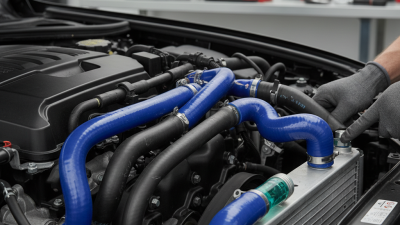
Automotive fluid lines connect components that must work together, even when heat, vibration, and pressure change. A brake line carries hydraulic pressure from the master cylinder to the wheels. Fuel lines move fuel toward the engine, while coolant hoses circulate fluid between the engine and radiator. Some vehicles also use lines for transmission fluid, air conditioning refrigerant, or power steering fluid.

Different jobs call for different materials. Steel tubing resists pressure and holds its shape, while flexible rubber or reinforced polymer sections absorb movement near the engine or suspension. Connections matter, too. A poorly seated fitting can leak, and a line routed against a sharp edge may wear through over time. Small details count.

During an inspection, look for damp fittings, cracks, bulges, corrosion, and lines rubbing against nearby parts. Check after the vehicle has cooled; hot fluids and components can cause injury. A line may look clean yet be weakened where it passes behind a bracket, so appearance alone is not proof of safety. That part is easy to miss. Vehicle layouts differ, and service information should guide repairs.

Best Types of Automotive Fluid Lines in 2026

Typical pressure ranges across vehicle systems. The horizontal axis uses a logarithmic scale so low- and high-pressure lines can be compared.

Ranges are indicative, not universal specifications. Actual pressure depends on vehicle design and operating conditions; always follow the vehicle manufacturer’s service data.

Materials and Designs Used in Modern Fluid Lines

Best Types of Automotive Fluid Lines in 2026?

Modern fluid lines pair material choice with the job each line must perform. Coated steel resists road exposure and suits brake circuits, while aluminum reduces weight in some applications. Nylon lines can simplify fuel routing, and PTFE handles demanding chemical and temperature conditions. None is universal. Fluid compatibility, heat, vibration, and bend radius all affect service life.

SAE J30 sets performance requirements for fuel and oil hoses. For brake systems, NHTSA’s FMVSS No. 106 includes a 4,000-psi burst-strength test for hydraulic brake hose assemblies. That figure shows why pressure ratings matter, but it does not identify the best material for every vehicle. A line near a hot exhaust also needs suitable heat protection. Small routing details matter.

Tips: Check the vehicle’s service specifications before replacing a line. Match the fluid, pressure, temperature, and connection type. Look for chafing where a line passes a bracket, and inspect bends for kinks. A tougher material may still fail if poorly routed. That trade-off is easy to miss.

Types of Lines for Fuel, Brake, Coolant, and Hydraulic Fluids

Best Types of Automotive Fluid Lines in 2026?

Automotive fluid lines carry different fluids under very different conditions. Fuel lines need materials compatible with the specific fuel and resistant to heat, vibration, and abrasion. Steel tubing offers firm routing, while approved flexible hose helps connect moving components. Check the hose rating and fitting type, not just the diameter. Small details matter.

Brake lines handle high hydraulic pressure, so they need pressure-rated tubing and correctly matched flare fittings. Steel is common; corrosion-resistant alternatives may suit some applications when specified for the vehicle. A neat-looking connection can still leak if the flare shape is wrong. That’s an easy detail to overlook. Inspect bends for kinks, and check for rust or dampness around joints.

Coolant circuits often combine reinforced rubber hose with rigid metal sections near hot or moving parts. Choose hose rated for coolant and engine temperatures, and keep it clear of sharp edges. Hydraulic lines for steering or other systems need pressure-rated hose or tubing, secure fittings, and routing that avoids exhaust heat. I would not select any line by appearance alone. Compatibility and operating pressure matter more, though the right choice can take a little checking.

Comparing Durability, Pressure Ratings, and Compatibility

Automotive fluid lines must match the fluid, operating pressure, heat, and movement at the installation point. Steel hard lines resist abrasion and engine-bay heat, but corrosion and repeated vibration can weaken poorly supported sections. Reinforced rubber hose bends easily and suits many fuel or oil routes; its inner lining and temperature rating determine compatibility. PTFE-lined hose offers broad chemical resistance, but the liner and fittings—not the braided outer layer—contact the fluid. Small details matter.

Pressure ratings need careful reading. NHTSA’s FMVSS No. 106 requires hydraulic brake hose assemblies to withstand a burst pressure of at least four times their maximum working pressure. That is a test threshold, not a sensible operating target. SAE J30 also classifies fuel and oil hose by construction and intended service, so a hose labeled for one fluid should not be assumed suitable for another. Ratings can change with temperature, diameter, and fitting choice.

Inspect the route, too. A line rubbing against a bracket may fail long before its pressure limit is reached. Check manufacturer data for fluid compatibility, temperature range, and pressure at the expected operating temperature. Then verify fitting material and sealing method. There is no universal winner. Choosing by appearance alone is an easy mistake.

Best Types of Automotive Fluid Lines in 2026? — Comparing Durability, Pressure Ratings, and Compatibility

Fluid Line Type Common Applications Pressure Considerations Durability Compatibility and Limitations Best Fit
Coated steel tubing Brake lines; some rigid fuel and hydraulic circuits Suitable pressure depends on tubing dimensions and applicable automotive specification. Brake systems can generate high hydraulic pressure; use tubing specifically approved for brake service. Strong and resistant to impact and abrasion. Coatings help resist corrosion, but damaged coating, road salt, and trapped moisture can lead to rust. Brake tubing must be compatible with brake fluid and meet the requirements for the vehicle and jurisdiction. Ordinary steel tubing is not a substitute for specified brake tubing. Rigid, protected routing where strength and a factory-style installation are priorities.
Copper-nickel brake tubing Hydraulic brake lines Must meet the applicable brake-tubing specification; pressure suitability should be confirmed from the tubing documentation rather than inferred from material alone. Highly resistant to corrosion and generally easier to form than steel. It can be more vulnerable to damage from poor routing or unsupported spans. Use only tubing identified for brake applications and compatible fittings. Acceptance requirements can differ by vehicle and local regulations. Brake-line repairs in corrosion-prone environments, where approved for the application.
Rubber fuel-injection hose Fuel supply or return connections on compatible gasoline systems Pressure capability varies by hose construction and specification. Port-injection systems commonly operate at several dozen psi; verify the hose’s stated working pressure and intended service. Flexible and easy to route, but heat, ozone, fuel exposure, abrasion, and age can cause deterioration. Choose hose explicitly rated for the fuel type, pressure, temperature, and permeation requirements. Standard low-pressure fuel hose is not suitable for high-pressure direct-injection lines. Short flexible connections on systems within the hose’s documented rating.
Nylon fuel tubing Factory-style fuel supply and return lines on designated vehicles Pressure and temperature limits depend on the tubing specification and fittings. High-pressure gasoline direct-injection circuits require purpose-designed components. Lightweight and resistant to many fuels; vulnerable to excessive heat, kinking, sharp edges, and damage from unsuitable installation methods. Confirm compatibility with the exact fuel blend, vehicle system, connector, and temperature range. Do not assume all nylon tubing is approved for fuel service. Vehicle-specific fuel-line replacement where the original system uses compatible nylon tubing.
PTFE-lined reinforced hose Fuel, oil, and other fluid connections when the complete hose assembly is specified for the service Can be designed for demanding pressure applications, but working pressure varies substantially with hose construction, temperature, fittings, and assembly. Use the documented rating of the complete assembly. PTFE offers broad chemical resistance and handles elevated temperatures well. Reinforcement and correct assembly are essential for pressure and abrasion resistance. Check fluid compatibility, permeation requirements, bend radius, fitting material, and temperature derating. A hose’s material alone does not establish its pressure rating. Specialized installations requiring chemical resistance or a high-performance flexible connection.
EPDM coolant hose Radiator, heater, and other engine-coolant circuits Cooling-system pressure is controlled in part by the pressure cap and vehicle design. Select hose rated for the system’s temperature and pressure; coolant-hose ratings are product-specific. Resists hot water and many water-glycol coolants. Heat aging and internal degradation can occur over time. Generally suited to water-based engine coolant, but not a universal choice for petroleum oils or fuel. Verify coolant and temperature compatibility. Flexible connections in conventional engine-cooling systems.
Transmission-oil cooler hose Automatic-transmission cooler circuits Cooler-circuit pressure varies by vehicle and operating condition. Use hose specifically rated for transmission fluid, operating temperature, and the vehicle’s pressure requirements. Flexible routing is convenient, but hot fluid, vibration, abrasion, and aging can cause leaks or failure. Confirm compatibility with the specified transmission fluid and with all clamps or fittings. General-purpose coolant or fuel hose should not be assumed suitable. Flexible connections between the transmission and cooler when approved for that service.
Rigid aluminum tubing Selected air-conditioning and vehicle-specific fluid circuits Pressure capability depends on alloy, wall thickness, diameter, joints, and application. Air-conditioning circuits can experience substantially different pressures across operating conditions. Lightweight and corrosion-resistant in many environments, but can be dented, work-hardened, or damaged by vibration and repeated bending. Use tubing and joints designed for the specific refrigerant or fluid system. Do not substitute generic aluminum tube for an application-specific line. Purpose-designed rigid routing where low weight and system compatibility are important.

Selection note: Pressure figures are vehicle-system context, not universal hose or tubing ratings. Before installation, verify the exact component’s working-pressure and temperature limits, fluid compatibility, fittings, and applicable vehicle or regulatory requirements.

Choosing the Right Automotive Fluid Line in 2026

Choosing the right automotive fluid line in 2026 starts with the fluid, pressure, temperature, and vehicle application. A coolant hose and a brake line may look similar on a bench, but they are not interchangeable. SAE J1401 covers hydraulic brake hose assemblies; use the specified line type and fittings for the vehicle’s braking system. Small details matter.

For flexible sections, reinforced rubber is common, while PTFE can suit applications needing broad chemical resistance. Metal tubing offers a rigid route, but poor bends or unsupported spans can create stress and rubbing. Check the manufacturer’s temperature and pressure limits, fitting compatibility, bend radius, and clearance from hot or moving parts. A clean-looking installation is not proof of a safe one.

Service life deserves attention. S&P Global Mobility reported that the average age of U.S. light vehicles reached 12.8 years in 2025. That makes inspection of aging lines especially relevant: look for cracks, swelling, corrosion, wet fittings, or abrasion near clips. Replace damaged sections with the correct specification, not merely a similar-looking hose. Still, age alone tells you little; routing and exposure vary widely from vehicle to vehicle.