2026 Best Automotive Fluid Lines for Optimal Vehicle Performance?
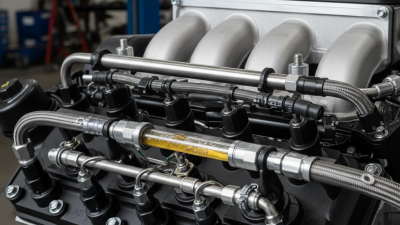
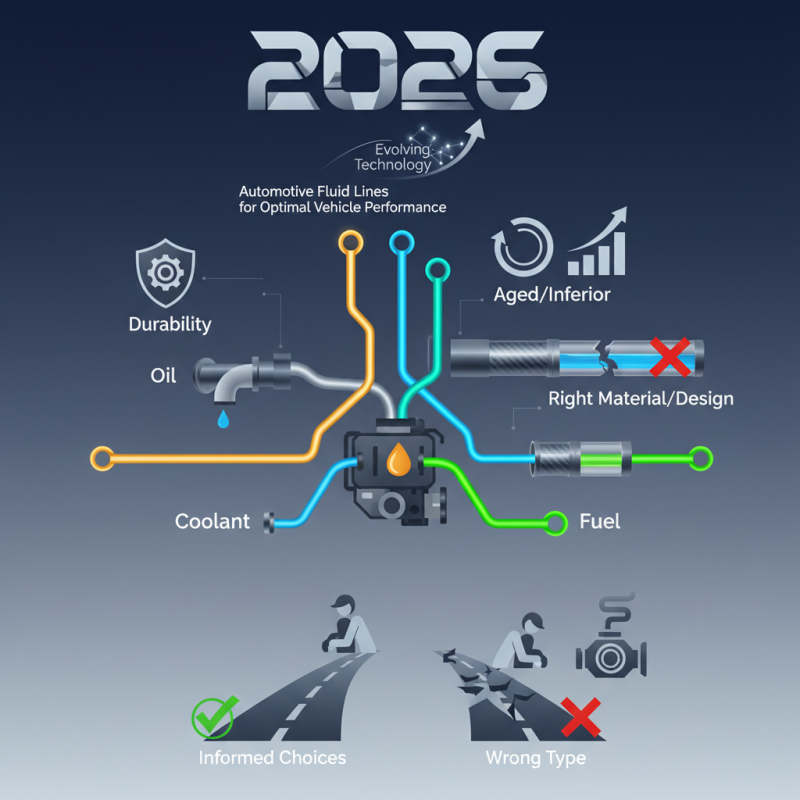
In the world of automotive engineering, one crucial aspect often overlooked is automotive fluid lines. These components are vital for optimal vehicle performance. They transport essential fluids such as oil, coolant, and fuel, directly affecting the reliability of the engine and overall system.
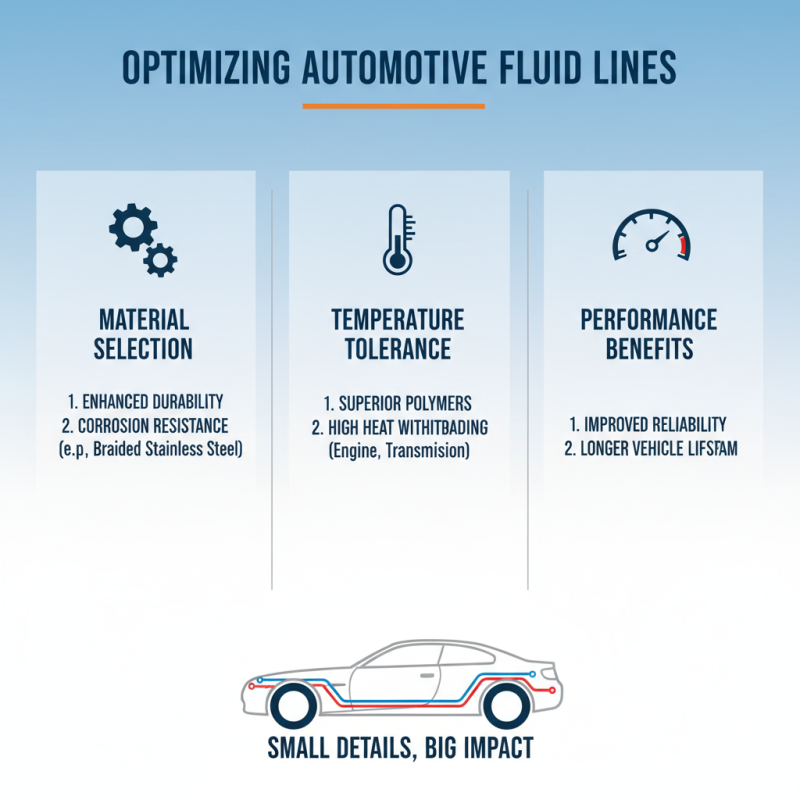
Choosing the best automotive fluid lines can significantly enhance durability and efficiency. However, many vehicle owners disregard them. They may underestimate the impact of aged or inferior fluid lines, which can lead to leaks or pressure issues. The right material and design can make a noticeable difference.
As we explore the 2026 options, keep in mind that the industry is constantly evolving. New technologies promise improved performance, but not all may live up to expectations. The performance of automotive fluid lines requires careful consideration. Selecting the wrong type could lead to inefficiency, driving frustration, or even damage to the vehicle. Reflecting on these aspects can guide you in making informed choices for your next automotive project.
2026 Trends in Automotive Fluid Line Technologies and Materials
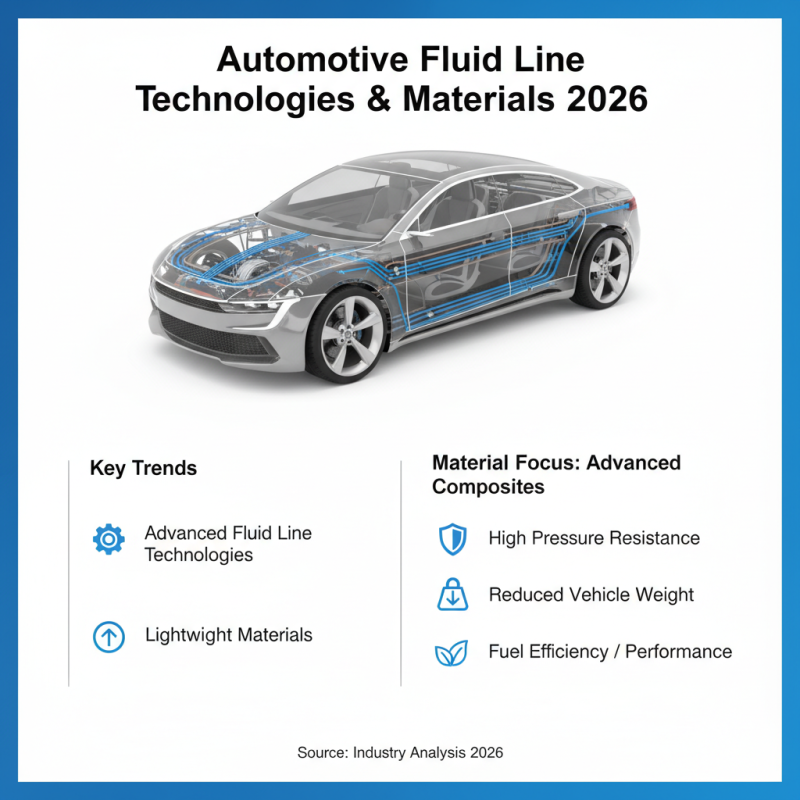
The automotive industry is constantly evolving. In 2026, new trends in fluid line technologies and materials are emerging. Lightweight materials like advanced composites are gaining attention. These materials can withstand high pressures and reduce overall vehicle weight.
Smart fluid lines are on the rise, integrating sensors that monitor fluid levels and leaks. This technology alerts drivers to potential issues before they escalate. Monitoring ensures better engine performance and extends the life of vital components.
**Tips:** Regular maintenance of fluid lines is essential. Check for signs of wear and tear. Also, consider upgrading to modern materials for improved durability. This investment can lead to fewer breakdowns and lower maintenance costs over time. Opting for smarter technologies may seem complex but can result in long-term benefits for performance.
Impact of Fluid Line Quality on Vehicle Efficiency and Longevity
The quality of automotive fluid lines significantly impacts vehicle efficiency and longevity. High-quality fluid lines are crucial for maintaining proper pressure levels and preventing leaks. According to industry reports, vehicles equipped with premium fluid lines can improve fuel efficiency by up to 10%. This improvement is often due to reduced drag and enhanced flow rates, resulting in better engine performance.
However, not all vehicles prioritize these components. Many manufacturers use lower-grade materials to cut costs, leading to increased maintenance and repair issues. A study found that nearly 30% of automotive failures are linked to fluid line failures. This can lead to costly repairs and reduced vehicle lifespan. Using subpar fluid lines may save money upfront but could result in larger expenses over time.
Choosing the right fluid line is also about the environment. Poor quality lines can leak harmful fluids, contributing to pollution. Research indicates that liquid leaks from inferior lines can lead to significant ecological damage. A vehicle's overall performance and its environmental impact are closely intertwined, making fluid line quality an essential consideration for both drivers and manufacturers.
Comparative Analysis of Hydraulic vs. Pneumatic Fluid Lines in Vehicles
In the world of automotive engineering, the choice between hydraulic and pneumatic fluid lines is critical. Hydraulic systems use incompressible fluids, allowing for precise control in machinery. Reports suggest that around 65% of modern vehicles incorporate hydraulic lines for functions like braking and steering. Their design offers reliability and strength. However, they can be heavy and may lead to leaks, which can be difficult to detect.
On the other hand, pneumatic systems utilize compressed air, favoring lightweight applications. Vehicles equipped with pneumatic lines often experience faster response times. They are ideal for systems that require rapid actuation. Yet, the reliance on air pressure makes them less suitable for applications needing consistent force. Industry data shows that pneumatic systems are found in about 30% of vehicles, often in suspension systems. It is clear that both systems have their advantages and drawbacks.
Maintenance methods vary significantly. Hydraulic line leaks can lead to serious safety hazards, requiring regular inspections. Pneumatic lines might need more frequent adjustments due to pressure drops. This often results in an ongoing debate among engineers about which system is more efficient. Even industry veterans sometimes struggle to find a definitive answer. Each type presents unique challenges that need thoughtful consideration in vehicle design.
2026 Best Automotive Fluid Lines for Optimal Vehicle Performance
| Fluid Line Type |
Material |
Pressure Rating (psi) |
Temperature Range (°F) |
Weight (lbs/ft) |
Cost ($/ft) |
| Hydraulic |
Steel |
3000 |
-40 to 250 |
0.5 |
2.00 |
| Hydraulic |
Aluminum |
2500 |
-50 to 300 |
0.4 |
3.00 |
| Pneumatic |
Nylon |
150 |
-20 to 180 |
0.2 |
0.50 |
| Pneumatic |
Polyurethane |
120 |
-10 to 200 |
0.3 |
0.70 |
Best Practices for Maintaining Optimal Automotive Fluid Line Performance
Maintaining optimal automotive fluid line performance is essential for vehicle reliability. Regular inspections can prevent costly repairs. Check for leaks, cracks, and damage. Even small issues can lead to significant problems over time. Use a flashlight to inspect hard-to-reach areas. Make it a routine to look beneath the vehicle.
Changing fluids on schedule is crucial. Ensure that all fluids meet your vehicle’s specifications. Old or contaminated fluids can cause poor performance. Sometimes, you might overlook this. Ignoring this could lead to reduced efficiency. Always use the correct type of fluid for your system.
Keep the fluid lines clean. Dirt and debris can accumulate, affecting functionality. Consider using compressed air to blow out any obstructions. Regularly replace filters to enhance fluid flow. Maintenance is not one-size-fits-all. Tailor your approach based on your specific vehicle needs. Stay proactive, and anticipate issues.