How to Choose the Right OEM Auto Parts Supplier for Your Vehicle?
Choosing the right OEM auto parts supplier is critical for vehicle performance and safety. According to a study by Grand View Research, the global OEM auto parts market is projected to reach over $700 billion by 2025. This growth underscores the importance of selecting a reliable supplier that meets industry standards.
James Miller, an expert in auto parts supply chain management, emphasizes that “the right OEM auto parts supplier can make all the difference in reliability and cost-effectiveness.” His insights highlight the need for consumers to research and vet potential suppliers rigorously. A trustworthy supplier not only offers quality parts but also provides excellent customer service and support.
Many vehicle owners overlook the value of genuine OEM parts. Some may be tempted by cheaper alternatives. However, these shortcuts can lead to costly repairs down the road. Therefore, evaluating technical expertise, warranty options, and sourcing practices is key. Ultimately, an informed choice can enhance vehicle longevity while ensuring safety on the road.

Understanding OEM Auto Parts and Their Importance in Vehicle Maintenance
OEM auto parts are vital for maintaining your vehicle's performance and safety. These parts are made by the original manufacturer, ensuring a perfect fit. When using OEM parts, the quality meets the vehicle's specifications. This reliability is crucial for long-term vehicle maintenance.
Selecting the right OEM supplier can be challenging. It's important to research suppliers thoroughly. Look for ones with solid reputations and positive customer feedback. Consider checking online forums and reviews. They often highlight experiences from real customers. Some suppliers may claim to offer OEM parts but lack proper certifications, which can lead to costly mistakes.
Understanding the role of OEM parts in vehicle maintenance adds another layer of complexity. Some vehicle owners may opt for cheaper alternatives, only to find poor compatibility later. Installing non-OEM parts could result in early wear and tear. Investing in quality OEM components helps ensure a reliable driving experience. Evaluate your options wisely and reflect on the long-term benefits of quality parts.
How to Choose the Right OEM Auto Parts Supplier for Your Vehicle?
| Criteria |
Description |
Importance |
| Quality Assurance |
Ensure supplier adheres to industry standards for quality. |
Crucial for vehicle reliability and safety. |
| Product Range |
Variety of parts offered, covering different makes and models. |
Ensures availability for specific vehicle needs. |
| Pricing |
Competitive pricing that reflects market standards. |
Affects overall maintenance costs. |
| Customer Service |
Responsive and helpful support for inquiries and issues. |
Enhances purchasing experience and problem resolution. |
| Warranty & Returns |
Clear policies on warranties and returns for parts. |
Provides assurance and trust in product quality. |
| Delivery Time |
Estimated timeframes for shipping and delivery. |
Impacts maintenance schedules and repairs. |
| Reputation |
Supplier's track record in the industry. |
Indicates reliability and trustworthiness. |
Evaluating the Reputation and Reliability of Potential Suppliers
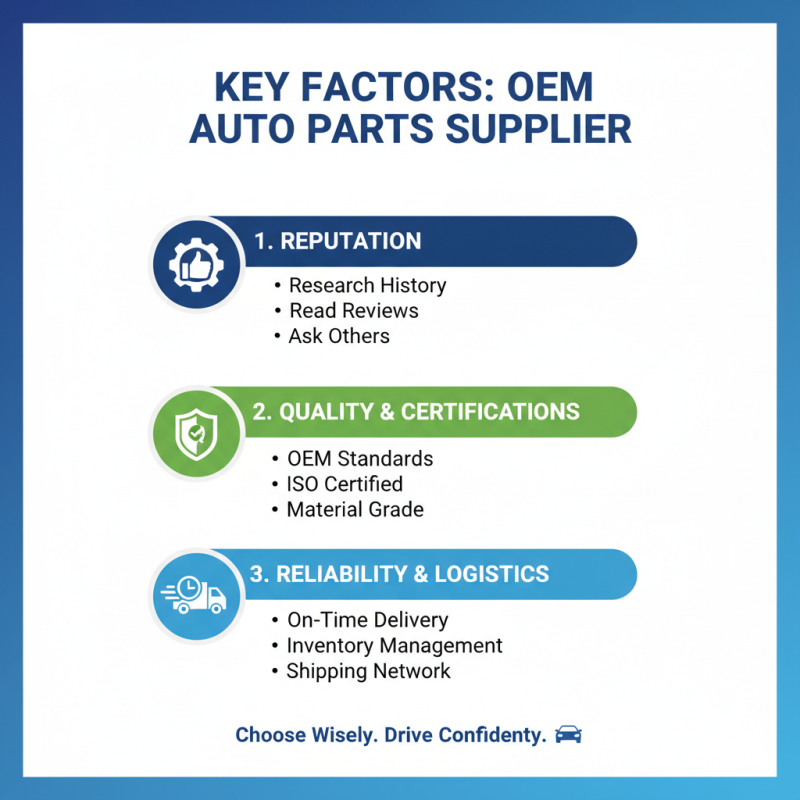
When selecting an OEM auto parts supplier, evaluating their reputation and reliability is crucial. Start by researching customer reviews and testimonials. Quality suppliers often have a history of satisfied customers. Look for consistent positive feedback and note any recurring issues. This will give you a clearer picture of their service quality and product reliability.
Tips: Always check for online forums where automotive enthusiasts share their experiences. These platforms can provide insights into the supplier's reputation. Engage with the community to gather diverse opinions.
Next, verify if the supplier adheres to industry standards and certifications. Reliable suppliers invest in quality control and compliance. Ask for documentation or proofs of certification. This is essential to ensure you’re getting parts that meet safety and performance standards.
Tips: Consider reaching out to previous clients. Ask about their experience with the supplier. This direct information can reveal potential red flags.
Finally, assess their customer service. A supplier’s willingness to address your concerns often reflects their overall reliability. Clear communication and prompt responses indicate professionalism. This factor is often overlooked but can be revealing.
Assessing Quality and Compatibility of Auto Parts Offered
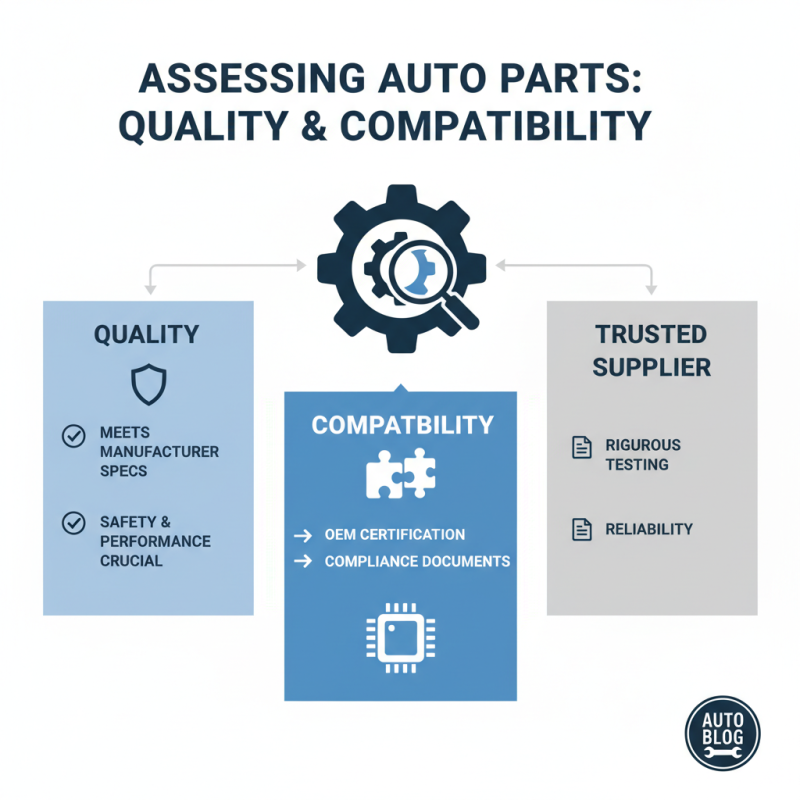
When selecting an OEM auto parts supplier, assess the quality and compatibility of their offerings. Look for parts that meet manufacturer specifications. Quality is vital for safety and performance. Always check certification and compliance documents. They indicate that the parts have undergone rigorous testing.
Compatibility is another critical factor. Not all parts fit every make or model. Ensure that the parts you choose match your vehicle's requirements. Often, suppliers provide compatibility charts or lists. These resources can save time and potential frustration. However, double-checking is still essential. Mistakes happen, and verifying compatibility helps you avoid costly errors.
Quality control processes vary among suppliers. Some may only perform basic inspections, while others have comprehensive testing systems. Inquire about their quality assurance practices. A reputable supplier should gladly share this information. Consider requesting samples to evaluate firsthand. This step can reveal much about their product standards. Be aware that not every supplier will meet your expectations. Finding the right balance between cost and quality requires patience and scrutiny.
Reviewing Supplier Policies on Warranty and Returns for Peace of Mind
When selecting an OEM auto parts supplier,
warranty and return policies are critical considerations.
According to recent industry data, around 30% of consumers experience issues with
parts that do not meet their expectations or vehicle compatibility. This underscores the
importance of understanding supplier policies thoroughly. Robust warranty terms can offer
reassurance that the supplier stands behind their products.
A solid warranty will typically cover defects in workmanship and materials
for a specified period. Suppliers should ideally provide a straightforward return process,
with clear guidelines on how to handle returns. Data suggests that 65% of consumers prefer suppliers
that allow for hassle-free returns. This preference highlights the need for transparency
and simplicity in return policies, giving buyers peace of mind.
Ignoring these aspects can lead to frustration and
extra costs down the line. Many new car owners fail to check return policies and later find
their investment at risk. It's essential to balance cost against the reliability of the supplier’s
policies. Some suppliers may offer lower prices but have stringent or vague return policies.
This can ultimately be a misleading advantage, making thorough research
vital before making a decision.