How to Choose the Right Car Coolant Hoses for Your Vehicle?
Choosing the right car coolant hoses for your vehicle is crucial. Quality hoses maintain engine temperature, enhancing performance. According to the Automotive Aftermarket Industry Association, proper coolant systems can improve fuel efficiency by 5-10%. However, many car owners overlook the importance of these components.
Car coolant hoses are often underappreciated. They deteriorate over time, leading to leaks and overheating. Reports show that nearly 20% of cooling system failures are due to faulty hoses. This can result in costly repairs. It's essential to select hoses made from high-quality materials, designed for your vehicle's specific needs.
Yet, not all vehicle owners consider this. Some buy generic hoses, risking performance issues. The market offers various options, but not all are suitable. Reflecting on your choices is vital. Investing in the right car coolant hoses can save you time and money in the long run. Make informed decisions to ensure your vehicle stays in top condition.

Understanding the Importance of Car Coolant Hoses in Vehicle Maintenance
Car coolant hoses play a crucial role in your vehicle's maintenance. These hoses transport coolant between the engine and the radiator. They help regulate your engine's temperature, preventing overheating. If these hoses wear out or crack, they can leak. This may lead to serious engine damage.
Regular inspection of coolant hoses is essential. Look for signs of wear, like bulges or cracks. A small leak might seem harmless, but it can lead to bigger issues later. Replacing worn hoses can save you from costly repairs down the road. Understanding their condition helps in maintaining engine efficiency.
Maintaining the right temperature is vital for performance. Overheating can cause engine components to warp or fail. Paying attention to these hoses ensures the longevity of your vehicle. If you notice anything odd, don't ignore it. Addressing these problems proactively can save time and money. Your engine will thank you.
Identifying Different Types of Coolant Hoses and Their Functions
When it comes to selecting the right car coolant hoses, understanding the types is essential. There are generally two main types: molded hoses and straight hoses. Molded hoses have a specific shape designed for certain parts of the engine. They are made to fit tightly, reducing the risk of leaks. Straight hoses, on the other hand, can be cut to length, making them versatile but potentially less secure.
According to industry reports, nearly 30% of coolant system failures stem from damaged hoses. This highlights the importance of choosing the right type. Rubber hoses are the most common, but silicone hoses offer higher temperature resistance. Notably, silicone hoses can withstand extreme conditions, making them suitable for high-performance vehicles. However, they may not be as readily available and can be more expensive.
Worn hoses may cause overheating or leaks. It's common for drivers to overlook this aspect until it’s too late. Frequent inspections can help. Many experts recommend replacing them every four years or 50,000 miles, but usage varies. Some drivers keep theirs longer, leading to potential issues. This could create a cycle of neglect, causing further damage down the line. The choice of coolant hose is more than just a simple decision; it requires thoughtful consideration of both material and function.
Factors to Consider When Selecting Coolant Hoses for Your Vehicle
When selecting coolant hoses for your vehicle, several factors play a crucial role. The material of the hoses is key. Options include rubber, silicone, and reinforced variations. Rubber hoses are common but may degrade faster. Silicone hoses last longer but can be pricier. Assessing your budget is essential here.
Compatibility is another vital aspect. Ensure the hoses fit your specific make and model. Mismatched hoses can lead to leaks or overheating. Don't overlook the size and shape. A wrong measurement, even slightly, can spell disaster. Take your time to measure each hose carefully.
Temperature resistance should also be considered. Coolant systems operate under extreme conditions. Hoses need to endure high heat and pressure. Look for hoses rated for your vehicle’s requirements. Ideally, you want durable options that can withstand these stresses without failure. Remember to check reviews on longevity and performance. Poor information can lead to purchasing decisions that might not work. Think ahead to avoid issues down the road.
How to Properly Install and Maintain Your Car Coolant Hoses
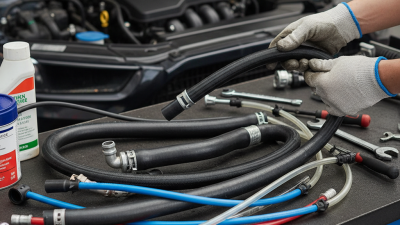
Installing the right coolant hoses is crucial for your vehicle's health. Start by gathering the necessary tools. You'll usually need a wrench, a screwdriver, and clamps. Clear the area and ensure the engine is cool before beginning. When removing old hoses, be careful. They may be brittle and could crack easily. Clean the connection points thoroughly. Any debris can cause leaks in the future.
Next, fit the new coolant hoses in place. Make sure they align properly with the engine and radiator. Securing each hose with clamps is vital. Don’t overtighten, as this can damage the hose. Check for any leaks once everything is connected. If you notice any coolant drips, reassess your installation. Test drive your vehicle to ensure the system functions properly.
Regular maintenance is essential too. Inspect your coolant hoses every few months. Look for cracks, bulges, or signs of wear. Replace them before they fail to avoid overheating issues. Keeping an eye on your coolant levels is also crucial. If they drop too low, refill them promptly. Addressing these small issues can prevent bigger, costly repairs down the line.
Signs of Wear and When to Replace Your Coolant Hoses
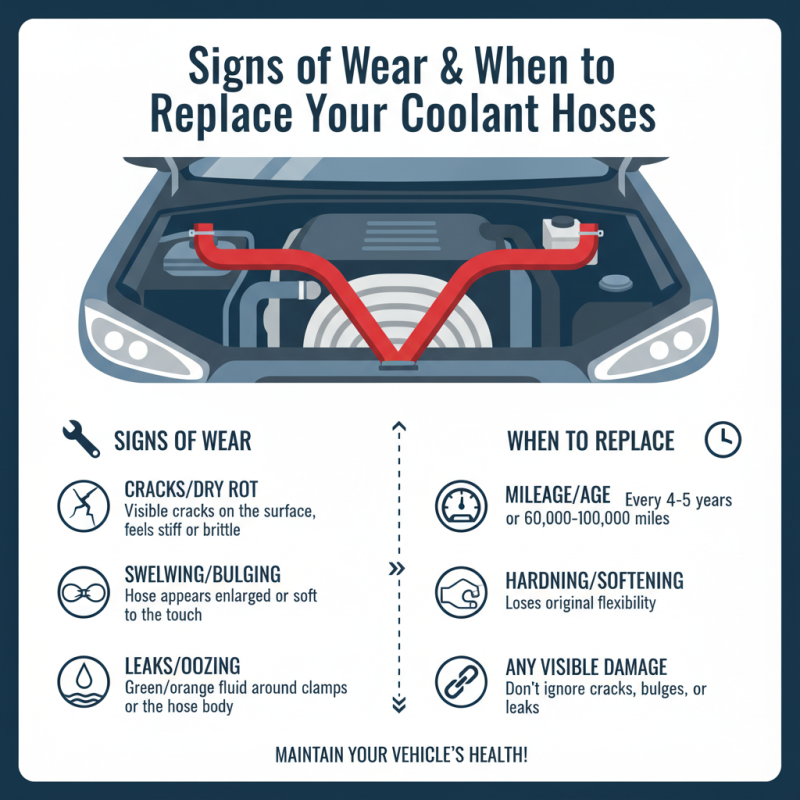
Coolant hoses play a vital role in your vehicle's cooling system. Over time, these hoses can wear out due to constant exposure to heat and pressure. It's essential to recognize the signs of wear and know when to replace them.
Look for noticeable cracks or bulges on your hoses. These physical signs often indicate that the integrity of the hose is compromised. Drips or puddles of coolant under your vehicle can also signal a problem. If you notice a sweet smell while driving, that might be coolant leaking. These symptoms should not be ignored.
Another indicator of hose wear is a change in performance. If your engine overheats or the temperature gauge fluctuates, worn hoses may be the cause. Regularly inspect the hoses, especially if your vehicle is older. Addressing wear early can prevent more significant engine damage, saving time and money in the long run. Always listen to your vehicle; it often tells you when something is wrong.