How to Choose the Right Automotive Parts Manufacturer for Your Needs?
Choosing the right automotive parts manufacturer is crucial for maintaining vehicle performance and safety. In 2021, the global automotive parts market was valued at over $500 billion, highlighting the industry's importance. According to Gary Smith, an automotive industry expert, "The right manufacturer can significantly impact the quality and reliability of your vehicle."
Selecting a manufacturer involves thorough research and understanding your specific needs. Not all manufacturers have the same standards or capabilities. Some may excel in particular parts, while others may not meet essential certifications. A report from Automotive News indicated that about 30% of manufacturers struggle with quality control. This statistic calls for scrutiny in selection processes.
Navigating potential issues requires reflection on your priorities. Consider factors like quality, cost, and delivery timelines. Not every manufacturer will align perfectly with your needs. Assessing past performance and customer feedback becomes vital in making an informed choice. The right automotive parts manufacturer can make or break your project.

Identifying Your Specific Automotive Parts Requirements
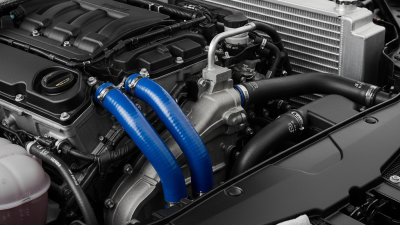
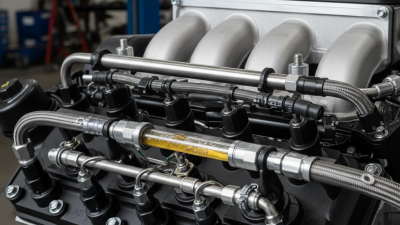
Identifying your specific automotive parts requirements is crucial to selecting the right manufacturer. Start by analyzing the type of parts you need. For instance, if you require engine components, focus on manufacturers with expertise in this area. The demand for high-quality engine parts is rising, with the global market expected to reach $50 billion by 2025. Quality matters; it directly influences safety and performance.
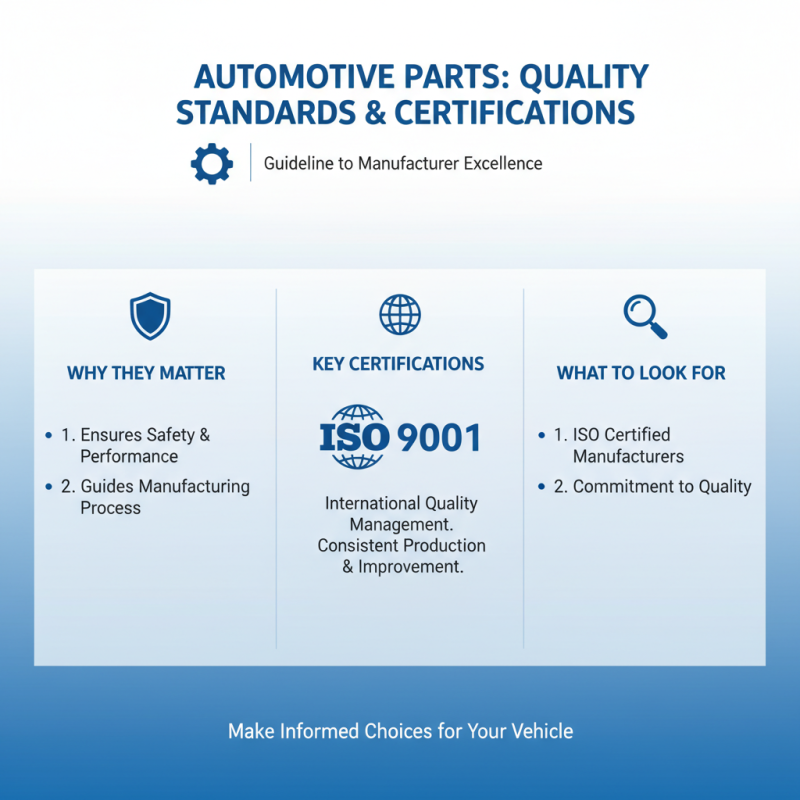
Consider the materials used. Opt for manufacturers who adhere to industry standards. A report from the Automotive Research Institute indicates that the use of subpar materials contributes to 30% of automotive failures. This statistic highlights the importance of solid material sourcing in parts manufacturing. Additionally, understanding the certifications a manufacturer holds is essential. Certifications ensure adherence to quality and safety benchmarks.
Lastly, evaluate the manufacturer's production capabilities. Are they equipped to handle large orders or custom requests? Many manufacturers struggle with scalability, which may cause delays. A manufacturer that lacks flexibility may not meet your fluctuating demands effectively. Aligning your specific requirements with manufacturer capabilities can prevent future complications. Focus on partnership over transaction for long-term success.
Evaluating Manufacturer Reputation and Experience in the Industry
When choosing an automotive parts manufacturer, reputation matters significantly. A strong reputation often reflects years of consistent product quality and customer satisfaction. According to a recent industry report from the Automotive Aftermarket Suppliers Association (AASA), 74% of buyers prioritize manufacturers with proven track records. Having experience in the industry can signal a manufacturer’s ability to adapt and innovate.
The National Institute for Automotive Service Excellence (ASE) states that manufacturers with over ten years of experience tend to achieve higher reliability ratings. Additionally, a company’s participation in industry associations can indicate a commitment to quality and best practices. However, not every established manufacturer maintains a good standing. Reports indicate that approximately 15% of long-standing manufacturers face issues such as production delays and quality control concerns.
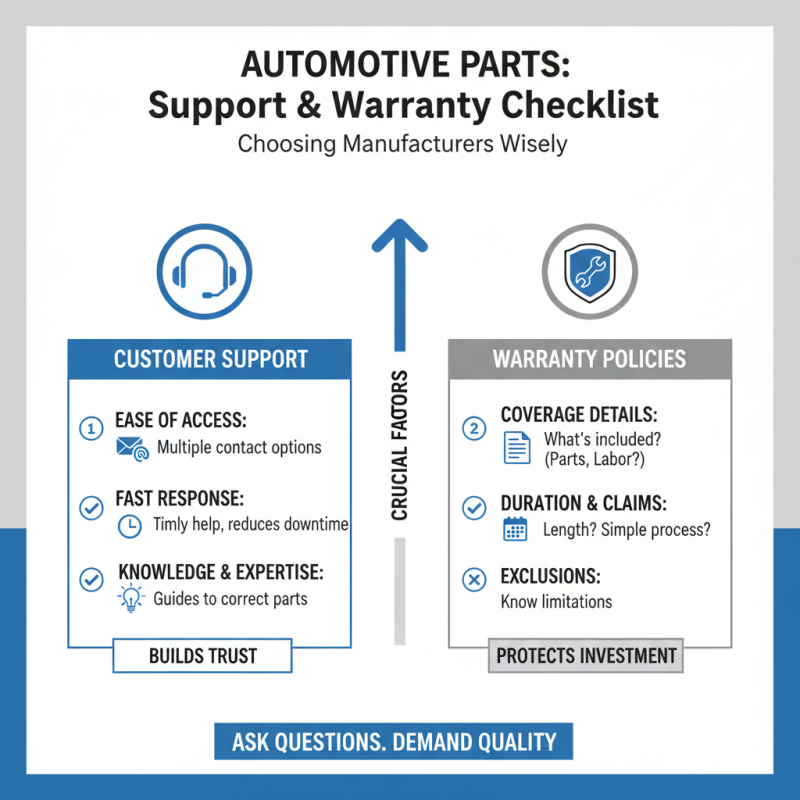
Evaluating reviews and testimonials also plays a crucial role. Look for patterns in feedback about reliability and customer service. A manufacturer may have a lengthy history, but negative reviews can be a red flag. Balance your research by recognizing the value of both experience and potential shortcomings. This holistic evaluation can lead you to a manufacturer that meets your specific needs effectively.
Assessing Price vs. Value in Automotive Parts Offerings
When selecting automotive parts, the price often grabs immediate attention. However, value is equally essential. Understanding value requires looking beyond the initial costs. High-priced parts may offer better durability and performance. They can save you money in the long run through reduced maintenance and fewer replacements.
Consider what you need from a part. If you seek longevity, investing in higher quality can be worth it. Conversely, if you only require a temporary fix, lower-cost options might suffice. Take the time to investigate the specifications. Look for parts that are fit for your specific vehicle model. This step helps ensure compatibility.
Reflect on reviews and testimonials. These can provide insights into the performance of the parts. Sometimes, cheaper alternatives lead to issues that can cost more later. Balancing price with value is essential in your decision-making process. Each choice shapes the overall reliability and safety of your vehicle.
How to Choose the Right Automotive Parts Manufacturer for Your Needs? - Assessing Price vs. Value in Automotive Parts Offerings
| Manufacturer Type |
Price Range |
Value Proposition |
Quality Rating (1-5) |
Lead Time (Days) |
| OEM |
$$$ |
Highest reliability, designed for specific models |
5 |
10-15 |
| Aftermarket |
$-$$ |
More cost-effective options, varying quality |
3 |
7-10 |
| Performance |
$$-$$$$ |
Enhanced performance, may sacrifice longevity |
4 |
14-21 |
| Re-manufactured |
$-$$ |
Eco-friendly, often like new conditions |
4 |
5-10 |
| Custom |
$$$$ |
Tailored solutions for specific needs |
5 |
30+ |