2026 Best Plastic and Rubber Tubes for Cars What to Look For?
When it comes to maintaining vehicles, choosing the right plastic and rubber tubes for cars is crucial. These components play a vital role in fluid transfer systems, ensuring optimal performance and safety. However, not all tubes are created equal. Factors such as material quality, flexibility, and resistance to heat and chemicals should be considered carefully.
Many drivers may overlook the importance of these tubes, but understanding their specifications can lead to better decisions. Poor-quality tubes can lead to leaks and potential engine damage. Assessing the environment in which these tubes will operate is equally critical, as factors like temperature changes can impact their longevity.
A well-informed choice means blending experience with research. Seeking expert advice can enhance your understanding. You might feel overwhelmed by the options, but remember to prioritize durability and reliability. A thoughtful approach will yield better results and help maintain your vehicle's integrity over time.
Understanding the Importance of Plastic and Rubber Tubes in Automotive Applications
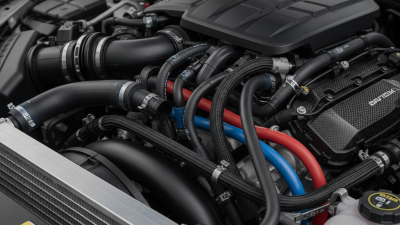
In automotive applications, plastic and rubber tubes play a crucial role. These components are essential for fluid transfer, ensuring efficiency and safety. Their flexibility allows for easy installation in tight spaces under the hood. High-quality tubes resist wear and tear, making them reliable in demanding environments.
However, not all tubes are created equal. Some may degrade faster due to heat or chemical exposure. Choosing the right material is vital. Understanding the specific needs of your vehicle will guide you in selecting appropriate tubes. Always check the specifications to avoid compatibility issues. Regular inspections can identify signs of deterioration early on.
It's important to be aware of potential pitfalls. Overlooking the quality of tubes can lead to failures, causing leaks and damage. A proactive approach is necessary. Investing in durable tubes will pay off in the long run. Ensure that your choices align with the vehicle's operational requirements. A little research can prevent costly repairs down the line.
Key Features to Consider When Selecting Tubing for Cars
When selecting tubing for cars, various key features warrant consideration. One critical factor is the material composition. Plastic and rubber tubes come in different grades, which affect durability and flexibility. A study published by the Society of Automotive Engineers highlights that high-quality materials can enhance a vehicle's lifespan. Look for tubes made of high-density polyethylene or reinforced rubber for optimal performance.
Another important aspect is temperature resistance. Automotive environments can vary dramatically. Tubes need to withstand extreme heat and cold without degrading. Research indicates that failing to choose the right temperature-resistant material can result in leaks or ruptures over time. It’s wise to check the specifications and ensure the selected tubing meets or exceeds manufacturer requirements.
Tip: Always inspect tubing for signs of wear or degradation, especially in older vehicles. Regular maintenance can prevent costly repairs.
Pressure ratings also matter significantly. Tubes must support the right pressure levels based on their application. The American Society for Testing and Materials suggests that using tubes with appropriate pressure ratings can enhance functionality. Underestimating this can lead to system failures, with potentially dangerous consequences.
Spending time on research pays off. Evaluate all specifications thoroughly to prevent mishaps caused by subpar tubing.
Comparative Analysis of Materials: Plastic vs. Rubber Tubes
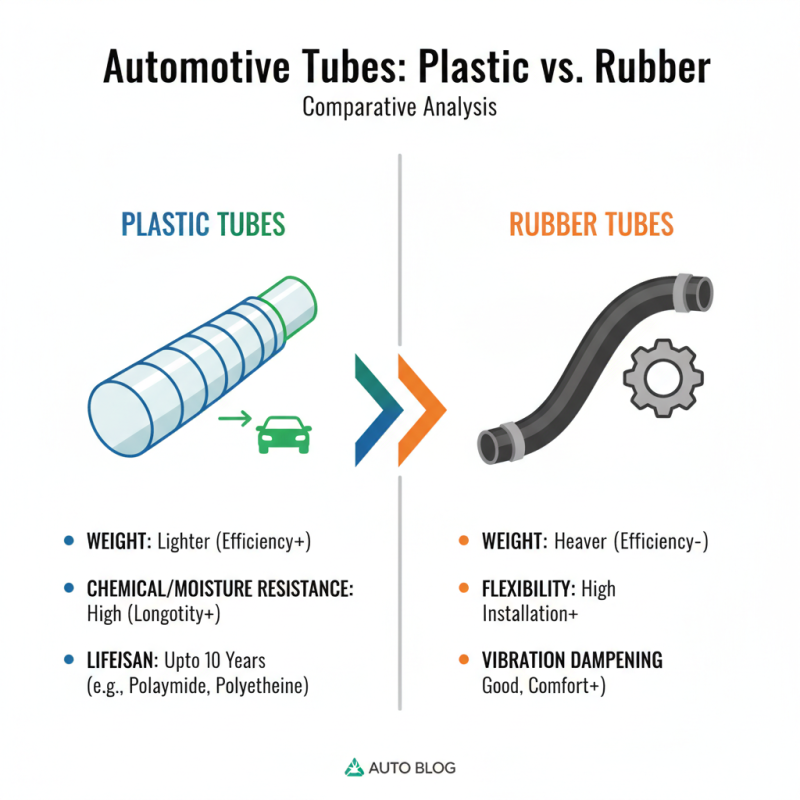
When choosing the best tubes for cars, the decision between plastic and rubber materials is crucial. Both options offer distinct advantages and potential drawbacks that can impact performance. According to industry reports, plastic tubes generally weigh less, enhancing vehicle efficiency. They provide excellent resistance to chemicals and moisture, contributing to longevity in harsh environments. For example, polyamide and polyethylene tubes can last up to 10 years when properly maintained.
On the other hand, rubber tubes offer superior flexibility. This elasticity can absorb vibrations, improving comfort during drives. Their ability to withstand extreme temperatures is notable as well. Some rubber compounds can handle heat above 200°C, making them suitable for high-performance applications. However, rubber is susceptible to degradation from UV exposure. Unlike plastics, which resist sunlight, rubber may require periodic replacement or protective treatments.
In considering these materials, professionals often cite the ease of installation as a key factor. While plastic tubes may be simpler to handle, improper installation can lead to cracks and leaks. Rubber, though more robust in some aspects, demands precise fitting to avoid failures. Evaluating these factors is essential for ensuring reliability in automotive systems.
Top Brands and Manufacturers for Automotive Tubing in 2026
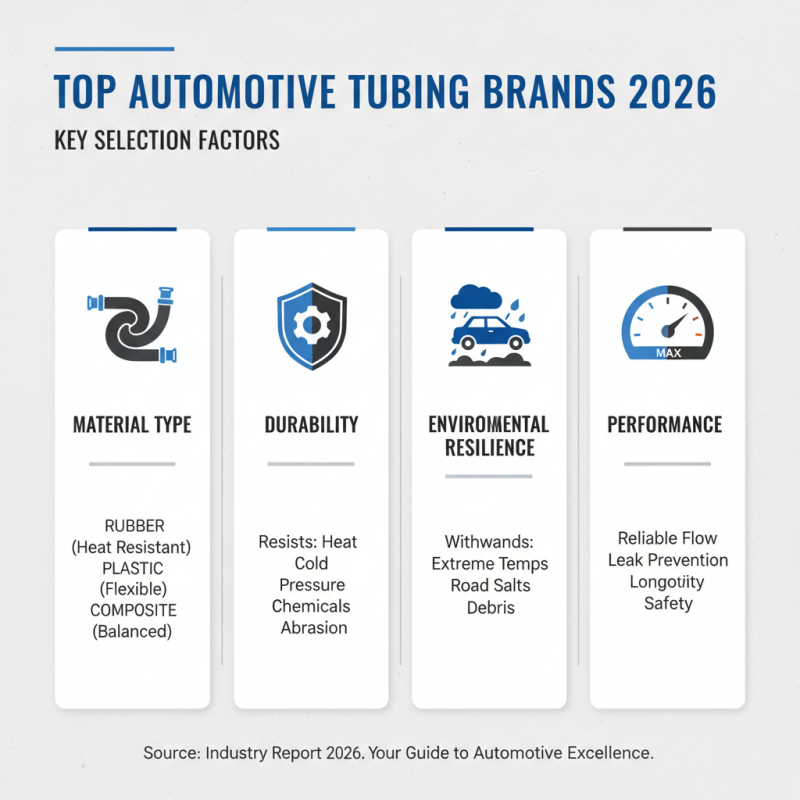
When selecting automotive tubing, it's essential to consider various factors. The material used impacts the durability and performance of the tubes. Common materials include rubber, plastic, and a combination of both. Each has its own advantages, such as heat resistance or flexibility. Pay attention to the tubing's ability to withstand harsh environments. Durability is paramount in automotive applications.
Top manufacturers of automotive tubing often emphasize their expertise. Many have years of experience and a strong reputation for quality. Their products undergo rigorous testing to ensure they meet industry standards. Checking for certifications and customer reviews can provide valuable insights. However, not all brands maintain consistent quality control. It's advisable to stay informed about recent developments and shifts in manufacturing processes.
Innovation in design also plays a vital role. Advanced computer modeling and material science lead to better-performing tubes. However, some companies may overpromise their products' capabilities, leading to disappointment. Be cautious and seek products with proven track records. Evaluating warranties and customer feedback is a prudent approach. A well-informed decision on automotive tubing can significantly enhance vehicle performance.
Maintenance and Replacement Tips for Car Tubing Products
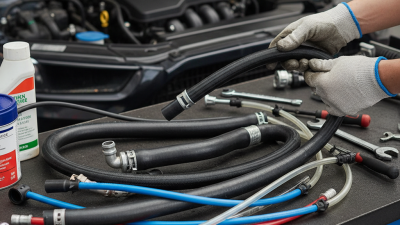
When it comes to maintaining your vehicle, paying attention to the tubing products is essential. Regular checks on plastic and rubber tubes help prevent leaks and breakdowns. Inspect these components for cracks, wear, and brittleness. It's not just about aesthetics; damaged tubing can lead to serious engine issues.
Replacing tubing is a task many overlook. If you notice any signs of deterioration, act quickly. Keep spare tubes on hand for an emergency. Choosing high-quality materials ensures longevity and reliability. Sometimes, it can be tempting to stick with what you have. But, outdated tubing may compromise performance.
Always refer to your vehicle’s manual for specifications. Understand the right materials suitable for your car. Professional mechanics can provide insights based on experience. Learning from them can enhance your knowledge. Regular maintenance is a learning process, one that requires diligence and awareness. Embrace the journey of keeping your vehicle in top shape.
2026 Best Plastic and Rubber Tubes for Cars - Features and Tips
| Tube Material |
Temperature Resistance (°C) |
Flexibility |
Application |
Maintenance Tips |
| PVC |
-10 to 60 |
Moderate |
Coolant, Water |
Inspect for leaks regularly |
| Silicone |
-50 to 200 |
High |
Turbocharger, Oil |
Replace if cracking occurs |
| EPDM |
-40 to 120 |
Good |
Weatherstripping, Brake |
Check for signs of aging |
| Nitrile Rubber |
-30 to 100 |
Moderate |
Fuel, Oil |
Keep free of fuel spills |
| Polyurethane |
-20 to 90 |
Very Good |
Hydraulic, Air |
Inspect for wear and tear |