How to Effectively Manage Hoses for Optimal Performance and Longevity?
Effective management of hoses is critical in various industries. John Smith, an expert in hose management, emphasizes, "Proper hose care minimizes failures and extends equipment life." Hoses are vital for fluid transfer, making their performance paramount.
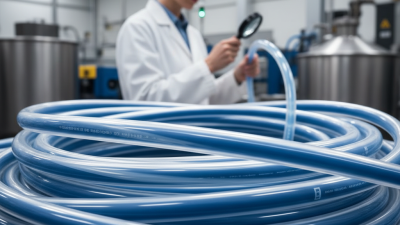
To achieve longevity, consider regular inspections. Uneven wear and tear can lead to significant issues. Storing hoses correctly is also essential. Poor storage can cause kinks and degradation.
Many industries overlook these factors. Ignoring hose management can result in unexpected downtime. Through careful monitoring and maintenance, organizations can ensure operational efficiency. Embracing best practices in management hoses will enhance both performance and reliability.
Types of Hoses and Their Specific Applications
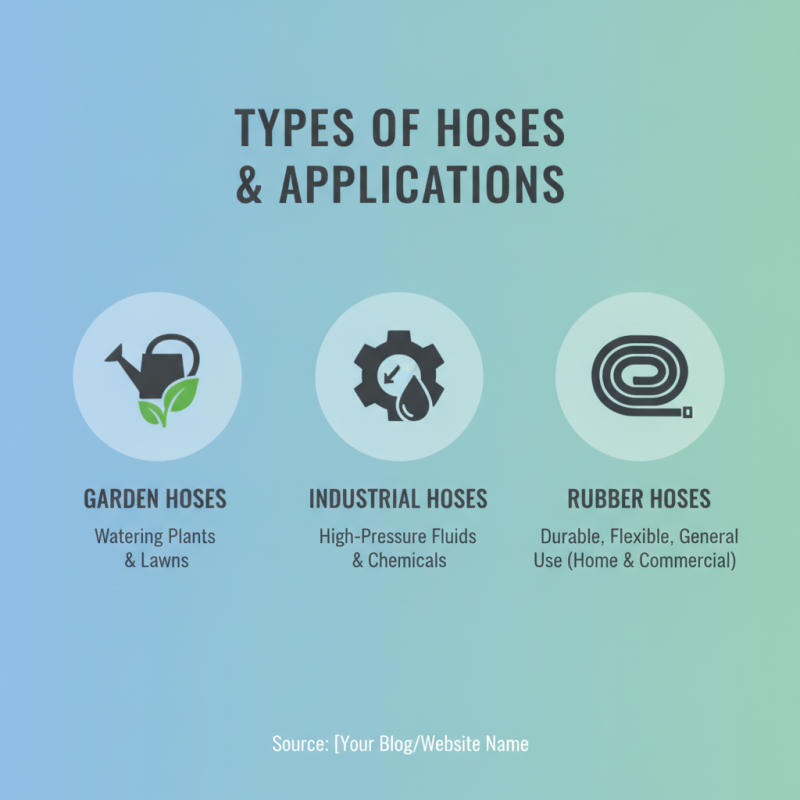
Hoses come in various types, each suited for specific applications. Understanding their unique features is essential for proper management and maintenance. For instance, garden hoses are ideal for watering plants, while industrial hoses can handle high-pressure fluids. Rubber hoses are durable and flexible, making them useful in both residential and commercial settings.
Tips: Always check hoses for cracks or leaks before use. Regularly cleaning hoses can prevent build-up that affects performance.
Air hoses are designed to transport compressed air. They are commonly used in workshops and garages. Make sure to choose the right diameter to optimize airflow. Pressure ratings are also crucial; selecting a hose that can handle the required pressure is vital.
Tips: Store hoses in a cool, dry place to prolong their life. Avoid storing hoses in direct sunlight for extended periods.
Key Factors Influencing Hose Performance and Longevity
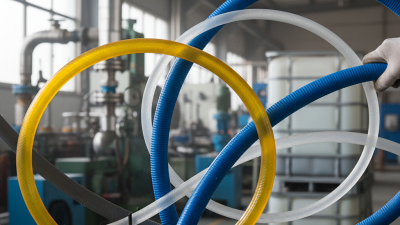
Hoses require proper management to ensure they function effectively and last longer. Several key factors significantly influence hose performance and longevity. One crucial element is the hose material. Different materials withstand various pressures and temperatures. Selecting the right type for your application is vital.
Improper handling can lead to wear and tear. Regular inspections help detect possible issues early. Look for cracks, bulges, or wear on the surfaces. These signs can indicate a need for replacement. Always ensure that hoses are stored properly. Avoid exposing them to extreme temperatures or direct sunlight, which can degrade materials over time.
Tips for maintaining hoses are simple yet effective. Always check connections for tightness. Loose fittings lead to leaks and reduced performance. Additionally, use protective sleeves in high-friction areas to minimize abrasions. Clean hoses regularly to prevent buildup of dirt or chemicals. Remember, a little effort can extend the life of your hoses significantly.
Pay attention to these details for optimal hose management.
Best Practices for Hose Storage and Handling
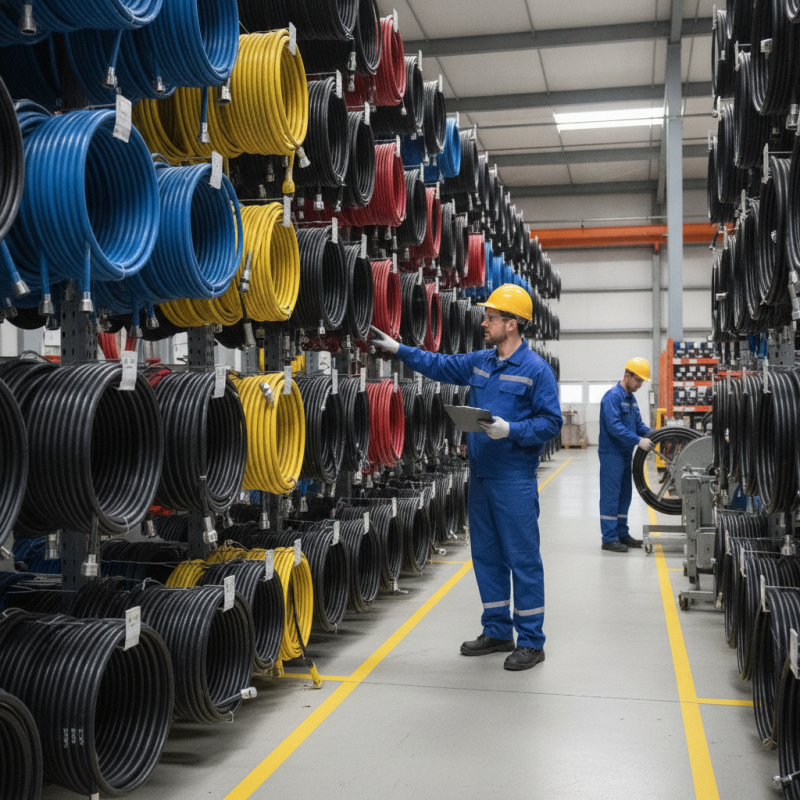
Proper hose storage is essential for maintaining performance. Hoses can kink or develop bends if not stored correctly. Use a hose reel or rack to prevent tangling. If you don't have one, laying hoses flat can work, but avoid sharp edges that may cause damage. Regularly inspect for cracks or leaks.
Handling hoses requires care, especially during use. Always unwind hoses fully before using them. A partially coiled hose can lead to excessive pressure, causing bursts. When dragging hoses, lift them instead of pulling. This reduces stress on connections and fittings.
Cleaning hoses after use ensures longevity. Rinse off dirt and debris to prevent build-up. Store in a cool, dry place away from direct sunlight. Leaving hoses exposed can lead to surface degradation over time. Reflect on your storage habits. Small adjustments can significantly extend the life of your hoses.
Routine Maintenance Tips for Prolonging Hose Life
Proper routine maintenance of hoses is essential for ensuring optimal performance and extending lifespan. According to industry reports, properly maintained hoses can last up to 30% longer than neglected ones. Regular inspections should include checking for cracks, abrasions, and leaks. Addressing these issues early can prevent costly replacements.
Hoses should be cleaned after each use. Dirt and debris can cause blockages and reduce efficiency. It’s recommended to flush hoses with water and inspect connectors. Hose reels, if used correctly, can prevent kinking and damage. Research indicates that improper storage can reduce hose life by up to 50%.
Documentation of maintenance activities is crucial. Keeping a log helps identify patterns of wear and tear, allowing for proactive measures. Additionally, some hoses may require special care, such as replacing O-rings or lubricating fittings. Learning from experience can enhance maintenance strategies, but it’s vital to remain vigilant.
Signs of Wear and When to Replace Hoses
Hoses are vital components in many systems, ensuring fluid transfer. Understanding the signs of wear can prevent costly failures. According to a report by the Industrial Hose Manufacturer’s Association, approximately 20% of hose failures result from improper maintenance. Regular checks are essential for ensuring optimal performance.
Look for cracks or abrasions on the hose surface. Discoloration often indicates exposure to harsh elements. If you notice any leaks while the system is under pressure, it is time for a replacement. Statistics show that replacing worn hoses can extend system lifespan by up to 25%. Always inspect the fittings; damaged or corroded fittings can compromise hose integrity.
Monitoring the age of hoses is equally important. Many experts suggest replacing hoses every 5 to 10 years, depending on usage and conditions. Keep in mind that hose failure can lead to downtime and operational losses. A proactive approach to it all is crucial. Even small defects can escalate into major issues if ignored. Replace hoses early to ensure reliability.
Hose Performance and Longevity Analysis