How to Choose the Best Automotive Parts Manufacturer for Your Needs?
When selecting the right automotive parts manufacturer, the stakes are high. Quality parts influence vehicle performance and safety. Automotive expert John Smith emphasizes, "Choosing the right manufacturer is crucial for your vehicle's longevity." With countless manufacturers available, making the right choice can be challenging.
Experience and expertise matter in this industry. An effective manufacturer should offer a blend of quality materials, advanced technology, and skilled labor. Look for manufacturers with a proven track record. However, it's essential to question their processes and certifications. What makes one manufacturer stand out from another? Understanding these differences is vital.
In today's market, reliability and reputation are key. A manufacturer’s commitment to quality assurance should be non-negotiable. Delve into reviews and testimonials. Remember, a single poor choice can lead to costly repairs. The automotive parts manufacturer you choose will significantly impact your overall experience. Make your selection wisely.
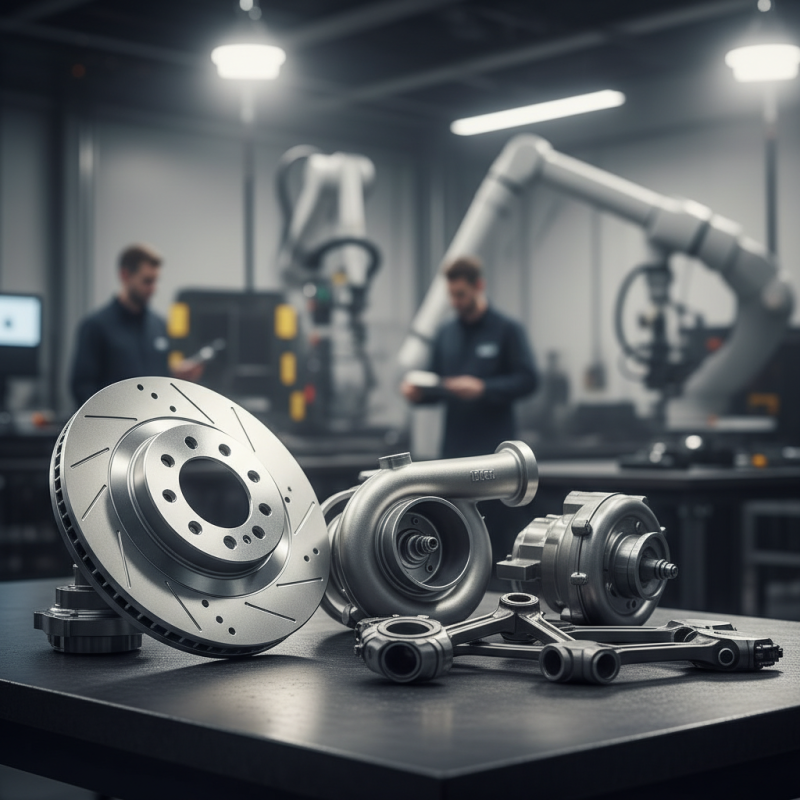
Identifying Your Specific Automotive Parts Requirements
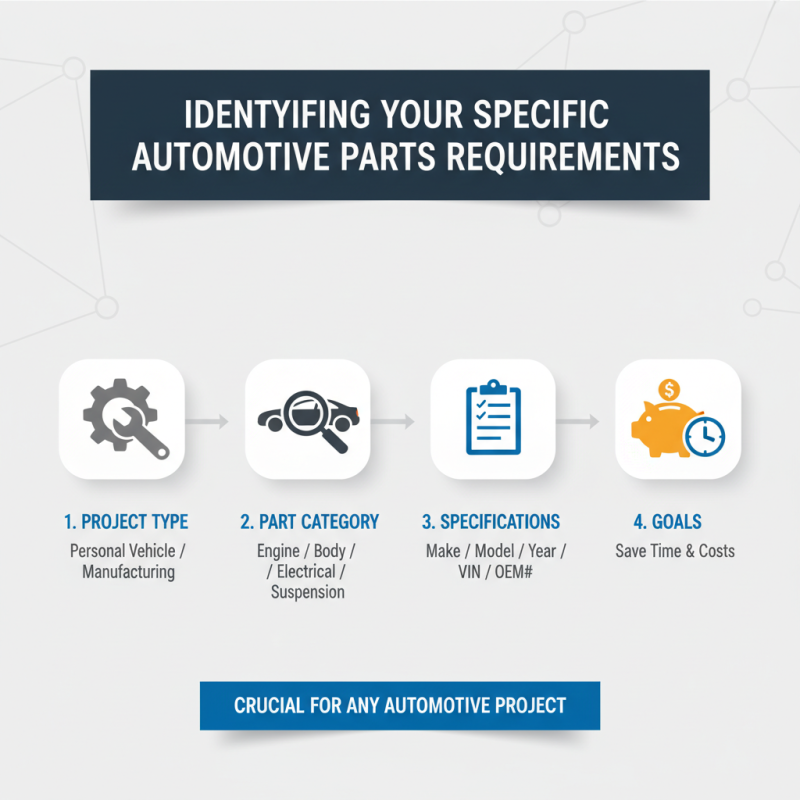
Identifying specific automotive parts requirements is crucial for any project. Whether you are working on a personal vehicle or a larger manufacturing endeavor, understanding your needs can save time and costs.
Begin by assessing the type of vehicle or machinery involved. Consider the make and model, as well as any special modifications. This understanding will guide you in selecting components that fit perfectly. It can be beneficial to create a list of required parts—be it brake systems, engine components, or electrical systems. Failing to identify these necessities upfront can lead to costly mistakes later.
Next, think about the quality standards you require. Some projects demand OEM (Original Equipment Manufacturer) parts, while others may allow for aftermarket options. Researching materials and manufacturing processes is essential. A part that works well on one vehicle may not perform the same on another. This variability highlights the importance of thorough evaluation. Remember, what works for one project might not suit another. It’s essential to stay flexible and reassess as new information arises.
Researching Automotive Parts Manufacturers in Your Area
When researching automotive parts manufacturers in your area, start by gathering local options. Visit their websites to assess their offerings. Look for information on the types of parts they specialize in. Some manufacturers excel in certain areas, such as engines or electronics. This niche focus can indicate greater expertise.
Consider reading customer reviews online. Feedback from other buyers can reveal valuable insights into quality and service. Be cautious of overwhelmingly positive or negative reviews. It's normal for any company to have some criticism. Pay attention to recurring themes in the comments, as they can help gauge reliability.
Don’t hesitate to reach out for quotes. This interaction can provide a feel for their customer service. Ask specific questions about their production processes and material sources. A legitimate manufacturer should be transparent and informative. Keep in mind that not every manufacturer will meet your expectations. Reflection on their response can provide insight into their professionalism.
Evaluating Quality Standards and Certifications of Manufacturers
When selecting an automotive parts manufacturer, evaluating their quality standards and certifications is crucial. The International Organization for Standardization (ISO) provides benchmarks for manufacturing excellence. For example, ISO 9001 certification indicates a company meets quality management principles, ensuring consistent product quality. A report from Grand View Research highlights that companies with such certifications have 20% less variation in product quality, a significant advantage in a competitive market.
Manufacturers should also adhere to industry-specific standards. Automotive manufacturers often rely on IATF 16949, which focuses on defect prevention and continuous improvement. This standard is instrumental in ensuring safety and reliability in automotive parts. According to a study published by the Society of Automotive Engineers, companies certified under these standards report up to 30% fewer recalls. These statistics underscore the importance of selecting manufacturers that prioritize compliance.
It's essential to actively engage with potential manufacturers. Ask about their quality control processes and third-party certifications. Gathering detailed information can reveal gaps in their processes or practices. Manufacturers may present impressive credentials but fail to meet their promises. Conducting thorough research can help identify those who genuinely commit to quality, enhancing long-term partnerships and ensuring better outcomes in your automotive projects.
How to Choose the Best Automotive Parts Manufacturer for Your Needs? - Evaluating Quality Standards and Certifications of Manufacturers
| Manufacturer Type |
Quality Standards |
Certifications |
Locations |
Monthly Production Capacity |
| OEM |
ISO 9001, IATF 16949 |
ISO 14001 |
Global |
100,000 units |
| Aftermarket |
ISO 9001 |
SAE, RoHS |
North America, Europe |
50,000 units |
| Tier 1 Supplier |
IATF 16949 |
TS 16949 |
Asia |
200,000 units |
| Component Manufacturer |
ISO 9001 |
UL Certification |
Europe, Asia |
30,000 units |
| Parts Distributor |
ISO 9001 |
None |
Global |
Varied |
Comparing Pricing and Warranty Options Among Manufacturers
When choosing an automotive parts manufacturer,
pricing and warranty options are crucial. A survey by the Automotive Parts Manufacturers Association
found that 75% of buyers prioritize competitive pricing. Understanding how various
manufacturers price their parts helps in making informed decisions. A transparent pricing structure
can signify reliability and trustworthiness in a manufacturer.
Warranty considerations also play a significant role. According to industry research,
60% of consumers expect at least a one-year warranty on automotive parts.
A lengthy warranty can indicate a manufacturer’s confidence in the quality of their products.
However, it is important to read the fine print. Some warranties have extensive exclusions
that may not be obvious at first glance.
Additionally, pricing and warranty options can vary widely between manufacturers. While some might
offer low initial prices, their warranties may lack coverage. Conversely, manufacturers with
higher sticker prices could provide more comprehensive warranties. Analyzing these factors
can lead to better choices, but many buyers overlook the details. They may assume a lower price
means better value. In reality, a thorough understanding
of both aspects is essential for maintaining a reliable vehicle over time.
Reading Customer Reviews and Testimonials for Insightful Feedback
When selecting an automotive parts manufacturer, customer reviews and testimonials provide valuable insights. According to a 2022 industry report, 88% of consumers trust online reviews as much as personal recommendations. This data highlights the importance of gathering feedback from others who have experienced the manufacturer's products and services.
Reading reviews can reveal both strengths and weaknesses of a manufacturer. Positive feedback often emphasizes product reliability and customer service. However, negative testimonials can bring to light issues like delayed shipping or poor communication. Engaging with these reviews helps you make informed choices and avoid potential pitfalls. For example, many customers mention that a responsive customer service team can significantly enhance their overall experience.
Tip: Look for reviews that detail specific experiences, not just general praise. This indicates genuine customer interactions. Pay attention to recurring complaints; they might suggest underlying problems. It's essential to balance positive feedback with constructive criticism. No manufacturer is perfect, so awareness of potential red flags can save you time and money down the line.