10 Essential Tips for Choosing Car Coolant Hoses for Your Vehicle
Choosing the right car coolant hoses is crucial for your vehicle's performance. Many drivers overlook this essential component until it’s too late. A malfunctioning coolant hose can lead to serious engine problems, expensive repairs, and even a breakdown. This guide provides ten essential tips to help you make an informed decision.
Car coolant hoses come in various sizes and materials. It's important to understand the specific requirements for your vehicle. Rubber hoses are common, but silicon options offer enhanced durability. Paying attention to details can save you time and money. On top of that, quality varies widely among manufacturers. Trustworthy brands often provide the best longevity and performance.
Many people settle for generic or low-cost options. This can be a costly mistake. Cheap hoses may deteriorate quickly, compromising their effectiveness. It’s wise to invest time in research. Look for reviews and expert opinions to guide your choice. Car coolant hoses are a small part, yet they play a pivotal role in your engine’s health. Make thoughtful decisions to ensure your vehicle runs smoothly.
Understanding the Role of Coolant Hoses in Vehicle Cooling Systems
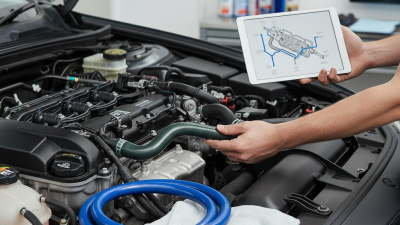
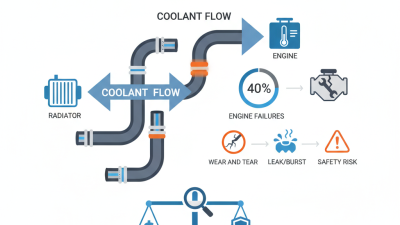
Coolant hoses are vital for your vehicle's cooling system. They transport coolant throughout the engine, preventing overheating. A report from the Automotive Engineers' Society indicates that over 70% of engine failures are linked to cooling system issues. The importance of selecting the right coolant hoses couldn't be more significant.
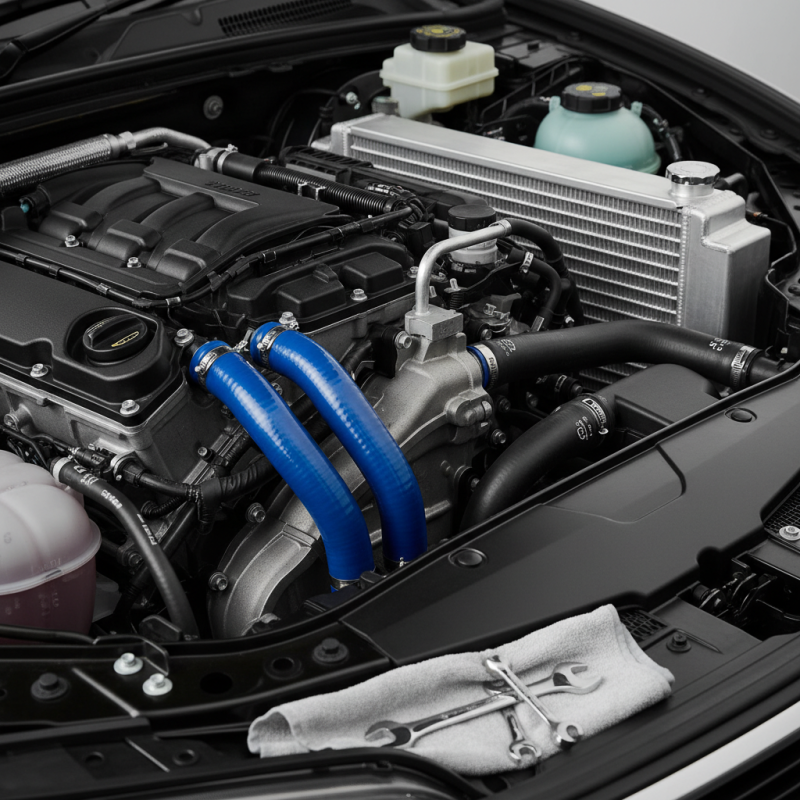
When choosing coolant hoses, consider the material. Rubber hoses are commonly used, but they can deteriorate over time. Studies show that rubber hoses can lose up to 50% of their effectiveness after five years of use. That’s not ideal for any car owner. Silicone hoses are a more durable alternative; they resist heat and corrosion better than rubber. However, they can be more expensive.
Pay attention to the hose diameter and bends. A poorly fitting hose can restrict coolant flow. Improper sizing can cause leaks and overheating. A report from the Automotive Research Institute notes that a 1/8-inch difference in diameter can lead to a 20% reduction in flow efficiency. Proper alignment is crucial. Monitoring your hoses regularly for cracks or wear will help maintain optimal engine performance. Ignoring them can lead to costly repairs down the line.
Identifying Different Types of Car Coolant Hoses and Their Applications
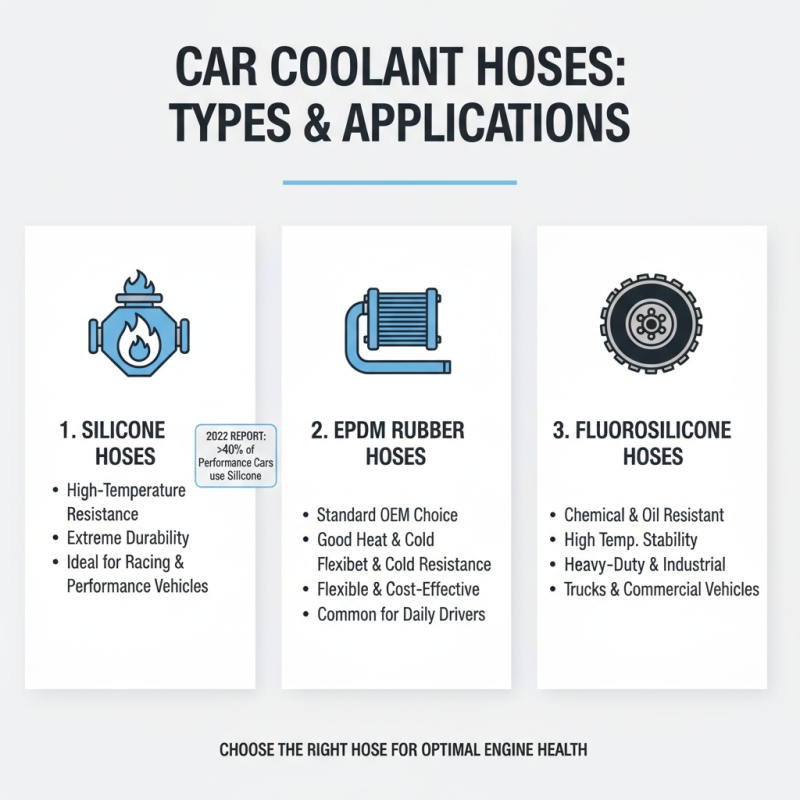
When selecting car coolant hoses, understanding their types and applications is crucial. Different vehicles require specific hoses. For instance, silicone hoses withstand high temperatures, making them ideal for racing applications. A 2022 industry report indicated that over 40% of performance vehicles utilize silicone due to its durability.
Rubber hoses are common in standard vehicles. They offer a balance of flexibility and heat resistance. However, they may degrade faster than silicone under extreme conditions. Regular inspections can reveal wear and tear, but often, the issue is overlooked until overheating occurs. This can lead to costly damage and repairs.
Hybrid hoses combine materials to optimize performance. These hoses can be effective in diverse climate conditions. Research shows that properly selected hoses reduce engine strain, improving overall vehicle longevity. Choosing the correct hose is not only about performance but also about ensuring safety. Ignoring manufacturer specifications can lead to severe consequences, including engine failure. Always prioritize quality when making your decision.
Key Material Properties for Durable and Effective Coolant Hoses
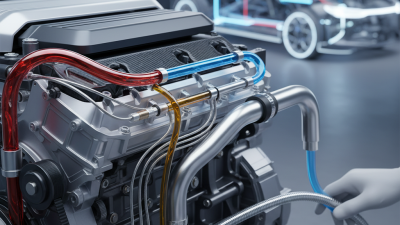
Selecting the right coolant hoses for your vehicle involves understanding key material properties that affect their durability and functionality. Commonly used materials include rubber, silicone, and reinforced plastics. Each offers unique advantages. For example, silicone hoses withstand extreme temperatures better than rubber, making them a preferred choice for high-performance vehicles.
A study from the Society of Automotive Engineers reveals that hoses made from high-grade silicone last 40% longer than traditional rubber hoses in high-stress environments. The temperature resistance of these hoses can range from -50°F to 500°F, enhancing vehicle reliability under diverse conditions. However, the cost differential can be significant, and not all applications warrant this investment.
Moreover, the flexibility of coolant hoses is also crucial. A flexible hose can reduce stress on engine components, but excessive flexibility may cause leaks. Striking the right balance requires careful consideration of your vehicle's specific demands. Using hoses with appropriate reinforcement, such as fiberglass or steel mesh, helps prevent collapse under vacuum pressure. The selection process may require reflection on personal driving habits and maintenance practices to ensure optimal performance.
Factors Influencing Coolant Hose Selection Based on Vehicle Specifications
Choosing the right coolant hoses for your vehicle is crucial. Various factors influence the selection based on vehicle specifications.
Understanding your engine's requirements is vital. Different engines operate at distinct temperatures. Reports suggest that using incorrect hoses can lead to overheating. This can cause severe engine damage.
Material is an important detail. Rubber hoses are common but may degrade quickly. Reinforced silicone options provide better durability. They can withstand higher temperatures and pressures. Studies have shown that silicone hoses last up to twice as long as standard rubber ones. This longevity can save you money in the long run.
Another factor is compatibility with coolant types. Some hoses are designed for specific coolant formulations. Using the wrong hose can lead to leaks or breakdowns. Always check manufacturer recommendations.
When selecting hoses, consider the installation process. A proper fit is essential. Loose hoses can lead to coolant loss. Regular inspections of hoses can prevent unexpected failures. Be proactive instead of reactive when it comes to maintenance.
Maintenance Tips to Ensure Longevity of Cooling System Hoses
Maintaining the longevity of cooling system hoses is crucial for vehicle performance. According to recent industry studies, nearly 30% of cooling system failures stem from hose issues. Regular inspection is vital. Look for cracks, bulges, or soft spots. These symptoms indicate potential failures. Replace hoses that show these signs before they lead to overheating.
Temperature fluctuations can affect hose integrity. Exposure to extreme heat can degrade rubber materials. Choose high-quality hoses designed to withstand such conditions. Regularly check hose connections as well. Loose clamps can result in leaks, leading to coolant loss and engine damage. Remember, maintaining coolant levels is essential to prevent hose deterioration over time.
Routine maintenance often gets overlooked. Neglecting to flush the cooling system can lead to debris build-up. This debris can cause hose wear. Some vehicle owners may forget to schedule routine checks. Timely intervention can save costly repairs. Always refer to your vehicle's service manual for maintenance schedules. Regular check-ups ensure your hoses are in top shape and extend their lifespan.
10 Essential Tips for Choosing Car Coolant Hoses for Your Vehicle - Maintenance Tips to Ensure Longevity of Cooling System Hoses
| Tip Number |
Tip |
Description |
Importance |
| 1 |
Check Compatibility |
Ensure hoses are suitable for your vehicle's engine type. |
Prevents engine overheating. |
| 2 |
Material Quality |
Opt for high-quality materials for durability. |
Increases lifespan of hoses. |
| 3 |
Inspect for Cracks |
Regularly check hoses for signs of wear and tear. |
Prevents leaks and coolant loss. |
| 4 |
Ensure Proper Fit |
Choose hoses that fit securely on engine parts. |
Ensures efficient coolant flow. |
| 5 |
Check Temperature Ratings |
Select hoses that withstand high engine temperatures. |
Prevents hose damage under heat stress. |
| 6 |
Evaluate Pressure Ratings |
Check if hose pressure limits match your vehicle's needs. |
Prevents hose burst under pressure. |
| 7 |
Look for Flexible Hoses |
Select hoses that allow for adequate movement. |
Reduces strain on the hose connections. |
| 8 |
Consider Length Requirements |
Measure the necessary length before purchase. |
Ensures correct installation without excessive slack. |
| 9 |
Install with Care |
Ensure proper installation to avoid future leaks. |
Maintains coolant integrity. |
| 10 |
Check Manufacturer's Guidelines |
Refer to the vehicle manual for specific recommendations. |
Ensures you follow best practices. |