How to Achieve IATF 16949 Compliance in 2026?
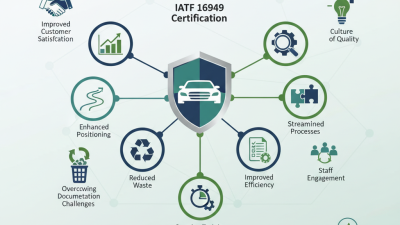
Achieving IATF 16949 compliance is a critical goal for organizations in the automotive industry. This standard outlines the requirements for a quality management system, focusing on continual improvement. With a growing emphasis on quality and efficiency, manufacturers must take proactive steps to meet these standards by 2026.
The process begins with understanding the core principles of IATF 16949. Organizations must evaluate their current systems, identifying gaps that require attention. Training employees about these standards is essential. Furthermore, involving all levels of staff fosters a culture of quality. This engagement can be challenging, as not everyone may be initially receptive to change.
Compliance with IATF 16949 is not merely a checklist. It requires a commitment to ongoing review and adaptation. Companies may struggle with resource allocation or employee buy-in. Recognizing these potential hurdles can help in strategizing effective solutions. Establishing strong leadership and clear communication will be pivotal in overcoming these obstacles. Ultimately, the journey toward IATF 16949 compliance is one of continuous learning and refinement.

Understanding IATF 16949: Key Principles and Requirements
IATF 16949 is a vital standard for quality management in the automotive sector. It emphasizes continuous improvement, defect prevention, and reduced variation. Understanding its principles is crucial for compliance. The standard targets organizations aiming for excellence in their processes. It encourages a customer-oriented approach, ensuring satisfaction across entire supply chains.
Key requirements under IATF 16949 include robust risk management, effective communication, and proper documentation. Companies must establish a quality management system that integrates the latest automotive industry trends. Growth in digital technologies adds complexity, making it vital for firms to adapt. Training personnel in these standards creates a sense of ownership and accountability.
However, achieving compliance isn’t always smooth. Organizations might face resistance to change and insufficient resources. Overcoming these challenges requires thoughtful planning and commitment at all levels. Regular audits and assessments can pinpoint areas for improvement. Embracing feedback and learning from mistakes is essential for long-term success.
Current Trends and Changes in IATF 16949 for 2026
As we approach 2026, the landscape of IATF 16949 is evolving. Manufacturers in the automotive sector must stay alert to current trends that impact compliance. One significant change is the increased emphasis on data-driven decision-making. Companies now rely on advanced analytics to improve processes and enhance product quality. This trend is reshaping how organizations approach their quality management systems.
Another key aspect is the focus on sustainable practices. The automotive industry faces pressure to adopt eco-friendly processes. This shift towards sustainability requires firms to integrate environmental considerations into their quality management systems. As businesses innovate to meet these demands, they may encounter challenges. Balancing compliance with sustainability initiatives can be complex and requires thoughtful planning.
A potential area for reflection is the adaptation to new technology. While digital tools increase efficiency, they also introduce risks. Organizations need to ensure that their workforce can leverage these technologies effectively. Training and skill development are essential. Ignoring these needs might lead to gaps in compliance. As 2026 approaches, leaders must navigate these changes mindfully to achieve IATF 16949 compliance.
Step-by-Step Guide to Performing a Gap Analysis for Compliance
Achieving IATF 16949 compliance starts with a thorough gap analysis. This process helps identify areas needing improvement. Begin by reviewing the current quality management system. Assess how it aligns with IATF 16949 standards. Look for missing elements or weaknesses in documentation.
Consider involving a cross-functional team in the analysis. Diverse perspectives can uncover issues you may miss. Conduct interviews and workshops to gather insights. Engaging team members ensures better buy-in for upcoming changes.
Reflect on challenges faced during this analysis. Sometimes, teams might resist change, even if it’s necessary. Be aware of internal biases that could cloud judgment. Acknowledge these feelings and address them with transparency. Continued engagement is key to overcoming obstacles. Encourage team discussions to foster understanding and collective responsibility for compliance.
Implementing Effective Quality Management Systems for IATF 16949
Achieving compliance with IATF 16949 in 2026 requires a focus on effective quality management systems. This standard, crucial for the automotive sector, emphasizes continuous improvement and customer satisfaction. According to a report by the International Automotive Task Force, organizations that implement robust quality systems see a 20% reduction in defects in their products. Such improvements are essential for maintaining competitiveness in a rapidly evolving market.
Effective quality management involves various elements. Training staff is critical; frontline employees should understand quality objectives. Regular audits help ensure compliance. A 2021 survey showed that companies conducting biannual audits reported a 15% higher compliance rate. Investing in technology solutions also enhances accuracy in quality control efforts. However, not all organizations leverage these technologies, leading to inconsistencies.
Organizations face challenges while implementing these systems. Resistance to change can hinder progress. Many employees struggle to adapt to new processes, affecting productivity. Furthermore, aligning quality management systems across global teams is complex. Each region may have different practices. Continuous feedback and improvement are essential. Companies must be open to making adjustments based on results and employee input to foster a quality-centric culture.
Achieving IATF 16949 Compliance: Quality Management Systems Performance
Preparing for IATF 16949 Certification Audits: Best Practices
Achieving IATF 16949 compliance in 2026 involves strategic preparation for certification audits. Industry research shows that roughly 80% of organizations underestimate the complexities involved in the compliance process. This leads to increased costs and delays. Effective preparation can significantly improve audit outcomes and organizational efficiency.
One effective practice is to conduct regular internal audits. These audits help identify weaknesses in processes or documentation ahead of time. Focus on training employees about the IATF 16949 requirements. Employees play a crucial role in compliance, and informed staff can detect issues early. Documentation should be maintained meticulously. Improper or incomplete records can lead to non-conformities during audits.
Tips: Streamline communication between departments. This helps to ensure everyone is on the same page about compliance measures. Use technology for real-time monitoring of quality management systems. This proactive approach can help in swiftly addressing any discrepancies. Reflect on past audits for improvement. Learning from previous mistakes is key to achieving better results.
How to Achieve IATF 16949 Compliance in 2026? - Preparing for IATF 16949 Certification Audits: Best Practices
| Aspect |
Best Practices |
Frequency |
Responsible Party |
| Document Control |
Ensure all documents are reviewed, approved, and updated regularly. |
Quarterly |
Quality Manager |
| Internal Audits |
Conduct regular internal audits to assess compliance. |
Biannual |
Audit Team |
| Employee Training |
Provide ongoing training on IATF 16949 requirements. |
Annually |
HR Department |
| Management Review |
Regularly review the management system for effectiveness. |
Semiannual |
Top Management |
| Supplier Evaluation |
Assess supplier performance and compliance. |
Annually |
Procurement Department |