What is IATF 16949 and Why is it Important for Global Buyers?
IATF 16949 is a crucial standard in the global automotive industry. This quality management system outlines the requirements for establishing an effective quality framework. According to a report by the International Automotive Task Force, 86% of automotive suppliers have adopted IATF 16949. This figure reflects its increasing importance among industry stakeholders.
For global buyers, IATF 16949 serves as a benchmark for assessing supplier performance. It ensures that products meet high-quality standards consistently. In a competitive marketplace, this certification helps buyers mitigate risks. Suppliers with IATF 16949 certification are often preferred due to their commitment to continuous improvement.
Some challenges remain, even among certified suppliers. Issues like audit discrepancies and compliance failures can arise. Therefore, ongoing evaluation is necessary. Buyers should reconsider their supplier selections, emphasizing those who demonstrate actual quality results. Reliable data is key to making informed choices in the procurement process.

Understanding IATF 16949: Definition and Core Principles
IATF 16949 is a critical standard in the automotive industry. It focuses on quality management systems and aims to enhance product quality. This standard is developed by the International Automotive Task Force, known for establishing a framework to improve process efficiency and customer satisfaction.
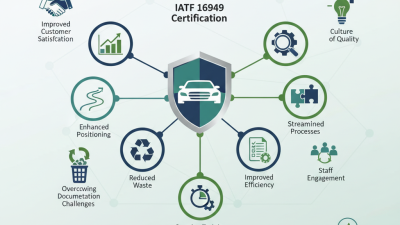
The core principles of IATF 16949 emphasize continuous improvement and defect prevention. Organizations adopting this standard often see a boost in operational efficiency. They learn to identify potential issues before they become serious problems. Ensuring quality throughout the supply chain is also vital. This creates a culture where everyone is responsible for maintaining high standards.
However, implementing IATF 16949 can come with challenges. Some companies struggle with the documentation requirements or employee training. There can be resistance to change among staff accustomed to previous systems. Organizations must reflect on these barriers to fully benefit from IATF 16949. By addressing these issues, businesses can enhance their processes and better serve their clients in the global market.
The Significance of IATF 16949 for the Automotive Industry
IATF 16949 is a key standard in the automotive sector. It provides a framework for quality management systems and emphasizes continuous improvement. According to a report by the International Organization for Standardization, adopting IATF 16949 can lead to a 10-15% reduction in manufacturing defects. This reduction is crucial for maintaining the integrity and reliability of automotive components.
The significance of IATF 16949 goes beyond quality. For global buyers, compliance with this standard signals a commitment to excellence. A survey revealed that 65% of automotive industry stakeholders prioritize suppliers with IATF 16949 certification. This certification not only enhances supplier credibility but also improves supply chain efficiency.
When selecting suppliers, consider the implications of IATF 16949. Look for certifications that indicate a robust quality management system. Collaborating with certified suppliers may elevate product quality, but some organizations may struggle with implementation. Assess their commitment to continual improvement and customer satisfaction.
Include a checklist for evaluating compliance. Review documentation, conduct site visits, and request customer feedback. Establishing strong relationships with suppliers can take time but is essential for ensuring high standards in automotive manufacturing. Focus on quality, safety, and reliability for the best results.
Key Benefits of IATF 16949 Certification for Global Buyers
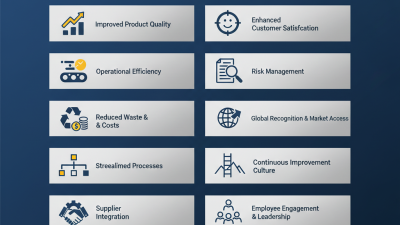
IATF 16949 is a vital quality management standard specifically for the automotive sector. Global buyers benefit significantly from its certification. Companies that are IATF 16949 certified show a commitment to compliance and quality, which is crucial in a competitive market. In fact, studies indicate that suppliers with this certification experience up to 30% fewer defects. This figure highlights a vital aspect of the certification's value: improved quality assurance leads to increased buyer confidence.
Moreover, supply chain reliability is enhanced through IATF 16949 certification. According to the Automotive Industry Action Group (AIAG), organizations that achieve this standard often realize significant reductions in costs related to warranty claims and recalls. With figures showing that a mere 1% drop in product quality can cost manufacturers millions, the importance of adopting IATF 16949 becomes apparent. Certified suppliers not only meet stringent requirements, but also foster a proactive approach to risk management.
However, obtaining IATF 16949 certification can be challenging. Many companies struggle with the ongoing commitment required for maintenance and continuous improvement. A report from the International Automotive Task Force emphasizes that while the benefits are clear, the path is filled with challenges. Many manufacturers find it difficult to sustain compliance and address evolving industry demands. Hence, ongoing training and staff engagement are essential, yet often overlooked.
What is IATF 16949 and Why is it Important for Global Buyers? - Key Benefits of IATF 16949 Certification for Global Buyers
| Benefit |
Description |
Impact on Global Buyers |
| Improved Quality |
Ensures consistent product quality through standardized processes. |
Reduces the risk of defects and recalls, enhancing buyer satisfaction. |
| Enhanced Efficiency |
Streamlines production and operational processes. |
Improves lead times and reduces costs for buyers. |
| Supply Chain Optimization |
Facilitates better communication and collaboration with suppliers. |
Leads to better inventory management and reduced delays. |
| Global Recognition |
Widely recognized standard in the automotive industry. |
Gives buyers confidence in supplier capabilities. |
| Regulatory Compliance |
Helps organizations meet international automotive regulations. |
Reduces legal risks for buyers when sourcing components. |
Implementation Challenges and Solutions for IATF 16949
Implementing IATF 16949 can be a daunting task for many organizations. This automotive quality management standard requires a deep commitment to excellence. Companies often face challenges in aligning their existing processes with IATF principles. These challenges may include a lack of trained personnel and insufficient resources. Many organizations struggle with documentation and process visibility, leading to confusion and miscommunication.
To address these issues, companies can invest in training programs. Providing employees with the right knowledge is crucial. It fosters an understanding of the standard and encourages a culture of quality. Technology can also play a key role. Automated tools can simplify data collection and documentation processes. This can enhance accuracy and free up time for teams to focus on improvement initiatives.
One significant challenge is maintaining consistency during implementation. Departments may have different interpretations of the standard. Effective communication is essential. Regular meetings to discuss progress can bridge gaps. It’s also beneficial to encourage feedback. This can help identify areas needing improvement. Understanding that challenges are part of the journey will lead to a more resilient approach.
IATF 16949 Implementation Challenges and Solutions
The Future of IATF 16949 in a Globalized Market
IATF 16949 plays a crucial role in the global automotive industry. This standard focuses on continuous improvement, defect prevention, and reducing variation and waste in the supply chain. As globalization intensifies, the importance of IATF 16949 grows significantly. Buyers worldwide seek reliable suppliers who adhere to this standard, ensuring high-quality products and services.
In a globalized market, the future of IATF 16949 looks promising. More manufacturers are adopting the standard to enhance their competitiveness. Companies that integrate these practices can improve their operational efficiency and meet customer expectations. However, the evolving market demands constant updates to the standard to address new challenges. Organizations must stay informed and ready to adapt.
Tips: Regular audits are essential. They help identify gaps and areas for improvement. Collaborate with suppliers to enhance quality and consistency. Ensure training programs are in place for all employees involved in production processes. This fosters a culture of quality that aligns with IATF 16949 principles. Investing in these aspects can lead to long-term sustainability and success.