Top 10 Essential Facts About IATF 16949 You Need to Know?
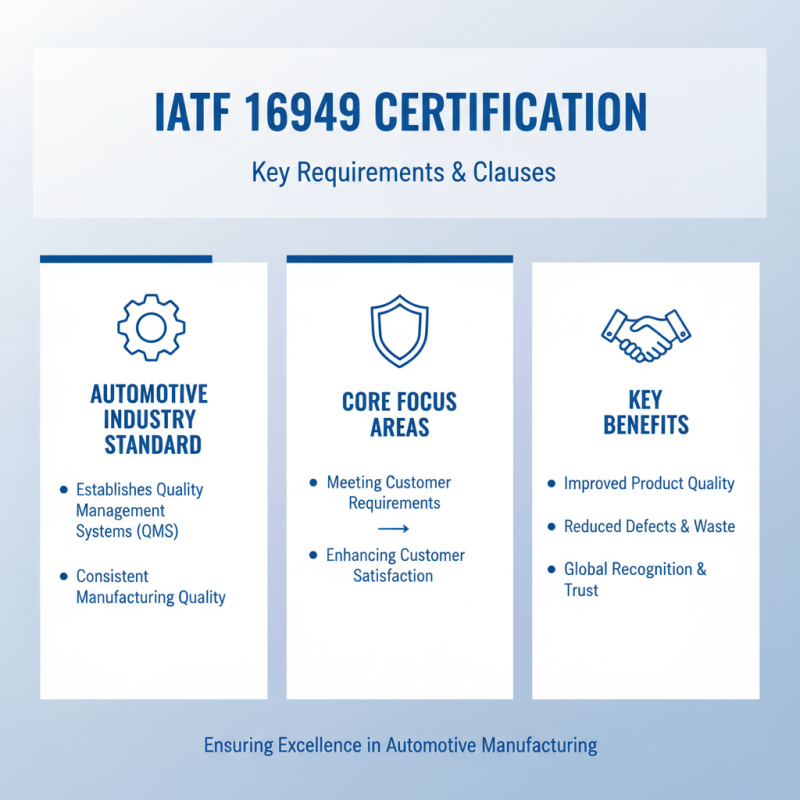
IATF 16949 is a crucial standard for the automotive industry. It focuses on quality management systems. Understanding its key aspects can significantly impact your business operations.
This standard ensures that companies consistently meet customer requirements. Implementing IATF 16949 can enhance a company’s efficiency. However, many still struggle with its complexities. Awareness of common challenges is essential for successful implementation.
With this article, we will explore the top 10 essential facts about IATF 16949. Each fact will highlight its importance and potential pitfalls. By learning these details, you can better navigate the certification process. Prepare to improve your understanding and performance in the automotive supply chain.
Overview of IATF 16949 and Its Importance in Automotive Industry
IATF 16949 sets the standard for automotive quality management systems. It emphasizes
continuous improvement and defect prevention. This standard helps organizations achieve higher efficiency and reliability
in automotive production. As the automotive industry evolves, adherence to IATF 16949 is crucial.
One key aspect of IATF 16949 is its focus on customer satisfaction. Manufacturers need to
understand the expectations of their clients. Meeting these expectations can be a challenge. Companies often struggle to
balance cost reduction with quality improvement. In the competitive automotive sector, this balance is vital for success.
Another significant factor is the requirement for thorough documentation. Organizations must maintain detailed records of
processes and results. This can be cumbersome and necessitates a robust framework for managing information. Additionally,
maintaining consistency across multiple locations can prove difficult. Yet, it is essential for compliance and quality
assurance. Embracing this standard can enhance a company's reputation and
foster trust in its products.
Key Objectives and Benefits of Implementing IATF 16949 Standards
Implementing IATF 16949 standards is a strategic move for automotive organizations. This framework enhances quality management systems and drives continuous improvement. The primary objective is to ensure that suppliers and manufacturers meet stringent customer requirements. According to a recent industry report, companies that adopted IATF 16949 standards reported a 15% reduction in defects within the first year.
One significant benefit of IATF 16949 is its focus on risk management. Organizations learn to identify potential failures early. This proactive approach minimizes disruptions in production and builds customer trust. Data from the International Automotive Task Force found that compliance can lead to a 25% increase in customer satisfaction. However, some companies struggle with complete implementation due to resource constraints.
Integration with existing processes is crucial but challenging. Many firms face difficulties aligning IATF 16949 with their current quality initiatives. Misalignment can lead to inconsistencies and wasted efforts. Continuous training and commitment from all levels of the organization are essential for effective implementation. Achieving these standards isn’t only about compliance; it’s about fostering a culture of excellence.
Top 10 Essential Facts About IATF 16949
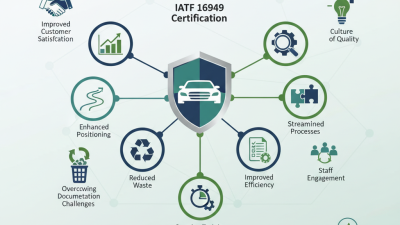
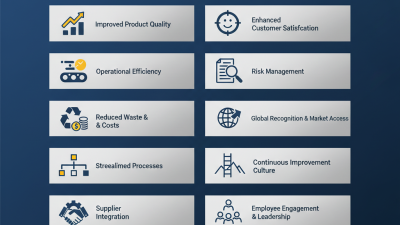
This chart illustrates the key objectives and benefits of implementing IATF 16949 standards, highlighting areas such as Enhanced Customer Satisfaction, Improved Product Quality, and Reduced Waste.
Common Challenges in Achieving and Maintaining IATF 16949 Certification
Achieving and maintaining IATF 16949 certification can be challenging. Many organizations struggle with the implementation of effective quality management systems. According to recent industry reports, nearly 40% of companies experience difficulties during audits. This statistic highlights the importance of proper preparation and constant communication among teams.
Nonconformance issues frequently arise. Companies often find it hard to keep up with the required documentation standards. A solid understanding of quality-related metrics is essential. It helps organizations identify gaps in their processes. Data shows that around 60% of certification failures stem from these discrepancies. Engaging employees in quality training can mitigate these risks.
Tips: Regular internal audits can help uncover hidden flaws. Foster an environment where teams feel accountable for quality objectives. Consistent communication about expectations is key. Documenting processes and changes can support compliance over time. Use visual management tools to track progress. This supports transparency and fosters improvement.
Maintaining certification is another hurdle. Changing regulations and customer expectations can complicate compliance. Organizations need to stay informed about updates in standards. Continuous improvement is not just a goal; it’s required. Reports suggest that companies actively engaged in improvement initiatives report 25% fewer nonconformance issues. This underscores the value of commitment and adaptability in the journey toward IATF 16949 certification.
Future Trends and Developments in IATF 16949 Standards and Compliance
The IATF 16949 standard continues evolving to meet the demands of an advancing automotive industry. As manufacturers focus on quality management, emerging trends highlight a significant push towards digital transformation. According to recent industry reports, over 70% of companies are integrating AI and IoT solutions into their quality management systems. This shift aims to enhance real-time data analysis and improve overall product quality.
Moreover, sustainability has become a core tenet in compliance strategies. The Automotive Industry Action Group (AIAG) suggests that organizations adopting green practices experience a 20% increase in efficiency. This trend reflects a broader responsibility among manufacturers to mitigate environmental impacts, driving compliance shifts.
Nevertheless, there are challenges. A significant number of companies still face difficulties in fully aligning their processes with the standard. Insufficient training and awareness remain prevalent. Data indicates that 30% of firms struggle during the transition phase. These challenges highlight the ongoing need for professional development and proactive management in adopting IATF 16949 compliance.