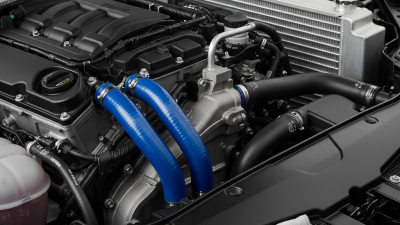
Choosing a supplier for car coolant hoses requires more than comparing catalog photos or unit prices. These parts carry heated coolant between the engine, radiator, and other cooling-system components. A poor fit can cause leaks, swelling, or premature failure. Small details matter: inner diameter, bend radius, wall thickness, and compatibility with the specified coolant. Materials such as EPDM are common, while some applications call for other compounds. The right choice depends on the vehicle and operating conditions.
This guide introduces ten car coolant hose manufacturers in China and outlines factors buyers can use to assess them. These include product range, material documentation, production capabilities, quality-control procedures, customization options, and responsiveness to technical questions. Useful evidence may include dimensional inspection records, pressure-test information, and clear specifications for temperature and fluid compatibility. Ask how samples are approved and how production batches are checked. A polished catalog is not proof of consistent performance. No list is perfect. Supplier information can change, and available evidence may vary. Treat any ranking as a starting point, then verify claims directly and compare products against the vehicle maker’s requirements. That extra check may feel tedious. It can prevent a costly mismatch.
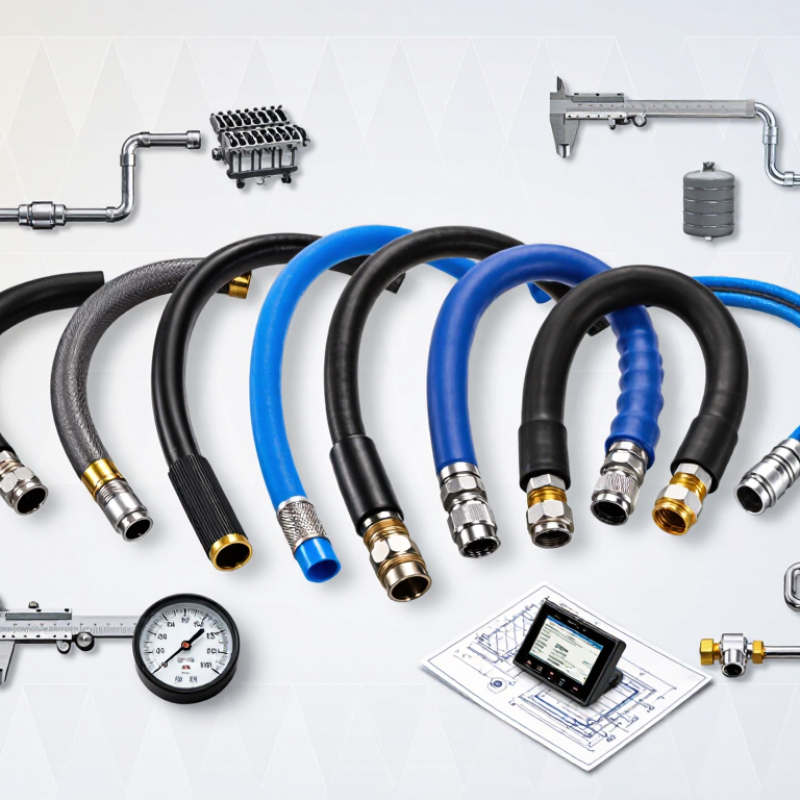
China’s automotive coolant hose industry supports vehicle assembly, replacement parts, and export supply chains. Manufacturers produce molded hoses, straight sections, and shaped assemblies for engine cooling circuits. Common designs use heat-resistant elastomers, with reinforcement chosen for pressure, vibration, and under-hood temperatures. Specifications vary by vehicle platform.
The industry benefits from established rubber processing, molding, and component-sourcing networks. Suppliers may serve domestic automakers, parts distributors, and overseas buyers, but production capacity alone does not confirm consistent quality. Buyers typically review material traceability, dimensional tolerances, aging resistance, pressure-test results, and batch inspection records. Fit matters. A hose that looks correct can still kink near a tight bend or rub against a bracket.
Testing and process control matter as vehicle cooling layouts and operating conditions change. Evaluation may include thermal cycling, pressure testing, coolant compatibility checks, and inspection of connection points. Not every factory provides the same level of documentation, so records should be compared carefully. This market is not uniform: lead times, customization, and quality systems differ among suppliers. Clear drawings and sample validation can help prevent avoidable mismatches.
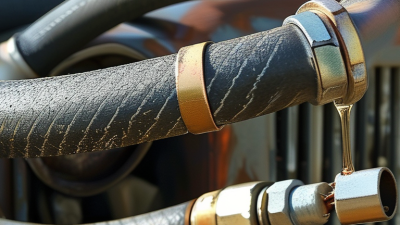
Choosing a coolant hose manufacturer takes more than comparing catalog pages. Check whether its team can explain how hose compounds suit hot coolant, pressure changes, and engine-bay exposure. Ask for test records covering burst pressure, thermal cycling, and coolant compatibility. Useful evidence includes dated reports and clear sample identification. A test logo alone proves little.
Look closely at production controls. Consistent wall thickness, clean cut edges, and secure reinforcement layers can indicate careful manufacturing. Ask how incoming rubber, reinforcement yarn, and finished hoses are inspected. Lot-level traceability matters when a defect appears months after delivery. It is not glamorous, but it can save time. Also review dimensional inspection records and how nonconforming parts are handled.
Engineering support deserves equal attention. A capable supplier should discuss routing, bend radius, clamp placement, and fitment changes without treating every question as a sales objection. Request samples for evaluation under realistic installation conditions, including tight bends and repeated heat exposure. Compare results across batches, not just one ideal sample. Even a detailed checklist can miss problems; field feedback and continued review still matter. An impressive factory tour is not enough.
A coolant hose is designed around heat, pressure, vibration, and the coolant itself. Engineers map the engine’s hot and cold zones, then choose a hose path that avoids sharp bends, moving parts, and exhaust heat. The inner tube must resist coolant and aging; textile reinforcement helps it hold shape under pressure. An outer cover protects against abrasion and weather. SAE J20 sets performance requirements for automotive coolant hoses, including resistance to heat and pressure. Small details matter. A clamp placed slightly off-center can create a leak path.
Manufacturing commonly involves rubber compounding, extrusion, reinforcement, forming, and vulcanization. Each batch needs checks for dimensions, hardness, and visible defects. Finished hoses can then be tested for leaks, pressure resistance, and repeated temperature changes. These checks matter at scale: OICA reported that China produced about 30.16 million motor vehicles in 2023. The IEA’s Global EV Outlook 2024 also reported nearly 8.1 million electric car sales in China that year, expanding the range of thermal-management layouts. Those figures do not prove any single hose design is superior. They do show why repeatable production and application-specific testing are important. One detail is easy to overlook: a hose may pass a bench test yet rub against a nearby component after installation. Design reviews should leave room for that imperfect reality.
Chinese coolant-hose manufacturers serve a large, varied vehicle market. The China Association of Automobile Manufacturers reported 30.16 million vehicles produced in China in 2023. This figure indicates industry scale, not coolant-hose sales. Supplier comparisons should therefore focus on verifiable capabilities, not inferred market share.
Ten useful profiles highlight different strengths. One focuses on molded EPDM hoses for passenger cars. Another produces reinforced, multi-layer hoses. A third specializes in silicone products for demanding temperatures. A fourth supplies formed hose assemblies. A fifth emphasizes connectors and quick-fit ends. A sixth serves heavy-duty vehicles. A seventh develops thermal-management hoses for electrified vehicles. An eighth targets export customers. A ninth handles custom, lower-volume orders. The tenth invests heavily in testing and process control. These are capability profiles, not a confirmed ranking of named firms.
For each supplier, request material specifications, dimensional tolerances, pressure-test methods, and batch traceability records. Inspect sample bends and connection points; small surface defects can become leak paths. Ask how the maker validates heat aging, vibration, and coolant compatibility. Useful evidence includes test procedures and dated results, not broad claims. One limitation remains: public production data says little about individual hose factories. Independent audits and sample testing help close that gap.
| Profile | Typical Product Focus | Common Construction or Material | Typical Automotive Use | Relevant Evaluation Points |
|---|---|---|---|---|
| Profile 1 | Radiator and engine coolant hoses | Rubber hose constructions selected for coolant exposure, heat, and pressure requirements | Connections between the engine, radiator, and coolant circuit | Review dimensional fit, pressure and temperature requirements, coolant compatibility, and applicable SAE J20 requirements. |
| Profile 2 | Molded coolant hoses | Shaped rubber hoses formed to follow specific routing paths | Engine bays with bends or limited installation space | Check bend geometry, wall thickness, end connections, and resistance to kinking under the specified installation conditions. |
| Profile 3 | Reinforced coolant hoses | Rubber hose with textile reinforcement, selected according to the required service conditions | Coolant circuits requiring defined pressure performance | Assess burst and working-pressure requirements, reinforcement integrity, dimensional tolerances, and production consistency. |
| Profile 4 | Heater hoses | Flexible coolant hose constructions designed for heater-circuit routing | Connections between the engine cooling system and cabin heater | Confirm internal diameter, bend radius, coolant compatibility, heat exposure, and compatibility with clamps and fittings. |
| Profile 5 | Bypass and auxiliary coolant hoses | Small-diameter rubber hoses in straight or formed configurations | Bypass lines and auxiliary coolant-flow paths | Verify routing, bore size, pressure conditions, fluid compatibility, and resistance to heat and aging. |
| Profile 6 | Coolant hose assemblies | Hose combined with specified connectors, clamps, or other end components | Vehicle systems supplied as preassembled replacement or production parts | Inspect connector retention, sealing, assembly dimensions, leak performance, and fit with the intended vehicle interface. |
| Profile 7 | Silicone coolant hoses | Silicone-based hose constructions, sometimes reinforced; suitability depends on the specific grade and design | Applications where the selected silicone construction meets the vehicle’s temperature, pressure, and fluid requirements | Confirm coolant compatibility and service limits for the exact construction; do not assume silicone is suitable for every coolant circuit. |
| Profile 8 | Multi-layer or barrier hose constructions | Multiple material layers designed to meet defined fluid, heat, or durability requirements | Applications with specified material or permeation requirements | Request construction details and test evidence for the intended fluid, temperature range, pressure, and service environment. |
| Profile 9 | Low-volume and custom-shaped coolant hoses | Application-specific rubber hose geometry developed to match a defined routing path | Special vehicle platforms, prototypes, or replacement applications with non-standard hose shapes | Review drawings, samples, dimensional inspection results, material specifications, and change-control procedures. |
| Profile 10 | Aftermarket replacement coolant hoses | Replacement hose designs made to match specified vehicle connections and routing | Vehicle maintenance and repair channels | Verify vehicle application data, fitment, material identification, traceability, and any claimed conformity through supporting documentation. |
| Standards and verification note: SAE J20 is a relevant reference for automotive coolant-system hoses. Standards references in this table are evaluation points, not evidence that any particular manufacturer or product is certified or compliant. Confirm requirements and test results for the exact hose construction and application. | ||||
China Top 10 Car Coolant Hose Manufacturers
Comparing ten car coolant hose manufacturers means looking beyond catalogue size. Check whether each offers molded bends, straight lengths, reinforced hoses, and application-specific shapes. A broad range helps buyers match tight engine-bay layouts. Details matter.
Quality is visible in test records, not polished claims. Ask about pressure, burst, heat-aging, and coolant-compatibility tests, plus batch traceability. Confirm the stated material and operating-temperature range suit the intended vehicle. Real testing matters. A neat catalogue can still hide gaps, and comparisons are imperfect when suppliers share limited data.
Export reach involves more than destination lists. Check experience with sample approval, packing requirements, shipping schedules, and technical documents. Consistent labeling and protective packing help hoses arrive without crushed bends or surface damage. Ask how production changes are communicated. That is easy to overlook. Export capability should be judged through verifiable records, not promises alone.
Typical automotive hose-material service-temperature ranges (°C)
EPDM and silicone are commonly used in automotive coolant-hose applications. The ranges shown are representative material benchmarks, not manufacturer-specific test results or rankings; actual limits vary with compound, construction, and application.