Inquiry
Form loading...

How to Choose the Right Car Coolant Hoses?

Choosing the right car coolant hoses is a small decision with serious consequences. A split hose can empty the cooling system within minutes. Then, a normal commute may become an expensive engine repair. The correct hose must match the vehicle, coolant temperature, pressure, routing, and connection size. Appearance alone is not enough.

Automotive technical writer Larry Carley offers a useful warning: “A cooling system is only as reliable as its weakest component.” That principle applies directly to car coolant hoses. A strong hose should resist heat, pressure, vibration, oil contamination, and repeated flexing. Check the inner diameter carefully. A loose fit may leak, while an overly tight fit can stress the connection. Feel for soft spots, swelling, cracks, or a glossy surface. These details often appear before failure.

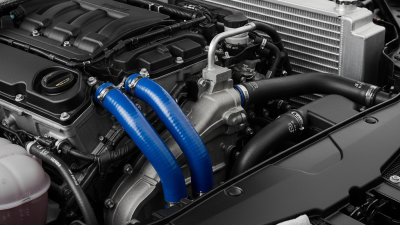
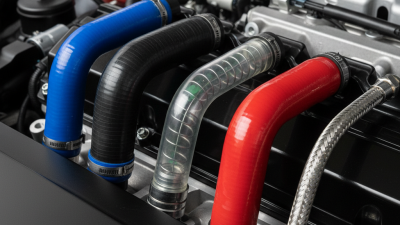
Material matters, too. Standard rubber hoses may suit many older vehicles, while silicone hoses can offer stronger heat resistance in demanding applications. However, silicone is not automatically better. It still needs suitable clamps and proper compatibility with the cooling system. This is where many choices become less certain. Brand reputation helps, but verified specifications matter more. Always compare the replacement hose with the vehicle manufacturer’s requirements and inspect nearby clamps, fittings, and thermostat housing. One overlooked component can weaken the whole repair. The best choice is not merely the cheapest or thickest hose. It is the hose designed for the exact working conditions.
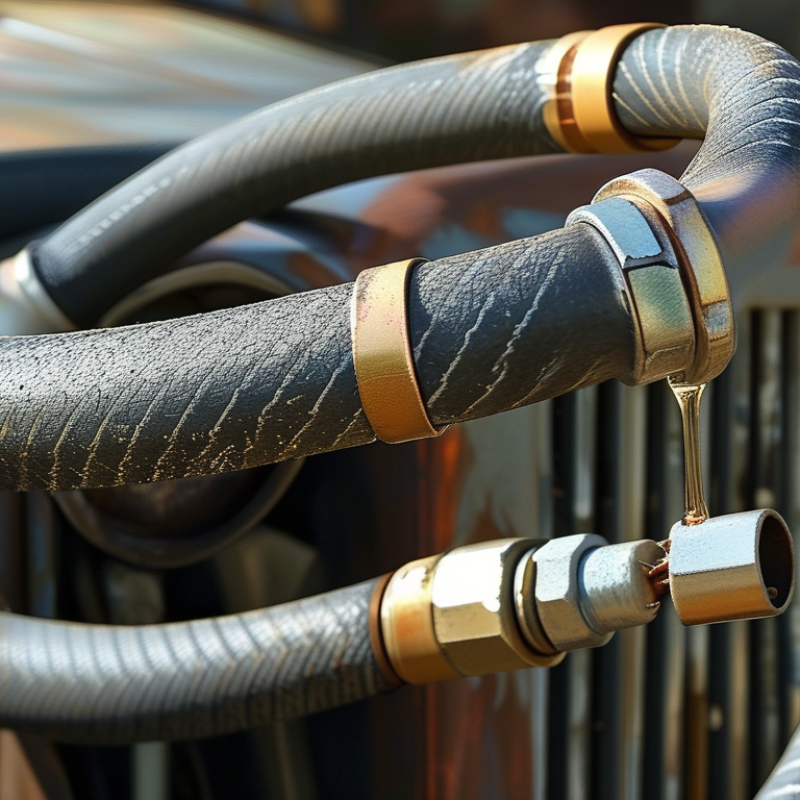
How to Choose the Right Car Coolant Hoses?

Understanding the Role and Types of Car Coolant Hoses

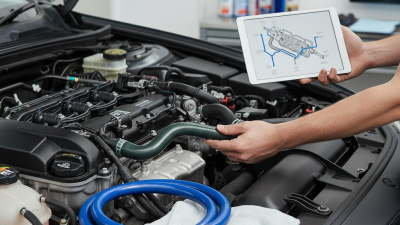
Car coolant hoses carry liquid between the engine, radiator, heater core, and expansion tank. They manage heat while the engine runs under changing pressure. A cracked hose can release coolant quickly and cause severe overheating.

Different hoses perform different jobs. The upper radiator hose usually carries hot coolant from the engine. The lower hose returns cooled liquid from the radiator. Heater hoses serve the cabin heater, while bypass hoses maintain circulation during temperature changes. Most modern hoses use heat-resistant rubber, but some applications require reinforced or silicone-based construction. Always match the hose’s inner diameter, length, shape, temperature rating, and pressure capacity. A hose that looks close enough may still kink near a fitting.

Tips: Inspect hoses when the engine is cold. Look for swelling, soft spots, surface cracks, and dried coolant marks. Squeeze the hose gently; it should feel firm, not brittle. Replace weak clamps at the same time. Do not tighten them excessively, because damaged hose walls may leak later. I once underestimated a small bend near the thermostat housing. That detail mattered. Also check clearance from belts, fans, and sharp brackets. A correct hose should sit naturally without twisting. If the routing feels forced, pause and recheck the part number and connection points before adding coolant.
Checking Your Vehicle’s Coolant Hose Requirements

Before choosing a coolant hose, check the vehicle’s exact requirements. The owner’s manual normally lists hose locations, coolant type, pressure limits, and service intervals. Do not rely on outside diameter alone. A radiator hose may need to manage hot coolant, engine vibration, and repeated pressure changes. SAE J20, an automotive hose specification, includes performance categories for temperature, pressure, oil resistance, and dimensional stability. These details matter under the hood.

Inspect the original hose carefully. Look for soft spots, surface cracks, swelling near clamps, or a flattened bend. A small oily film can also suggest material breakdown. The Society of Automotive Engineers recognizes that coolant hoses face heat cycling and mechanical fatigue, not just constant temperature. Measure the inside diameter and compare the bend angle, length, and connection style. A hose that kinks slightly may restrict coolant flow. It may still appear acceptable during installation.

Coolant compatibility deserves equal attention. ASTM D3306 defines performance requirements for automotive engine coolants, including corrosion protection and material compatibility. However, a coolant meeting that standard does not make every hose suitable. Check the hose material against the coolant chemistry and operating temperature. I have seen technicians focus on fit and overlook the pressure rating. That mistake is easy to repeat. Replace damaged clamps when necessary, and follow the vehicle maker’s bleeding procedure. Trapped air can imitate a hose problem and cause unstable temperature readings. Exact requirements vary by engine design, age, and cooling-system layout. That is why a visual match is never enough.

Comparing Hose Materials, Sizes, and Heat Resistance

Choosing the right car coolant hose starts with its material. EPDM rubber remains a dependable choice for most cooling systems. It handles coolant, vibration, and repeated temperature changes well. Silicone hoses tolerate higher temperatures and resist hardening, but they may not suit every coolant formulation. Check the vehicle’s service information before choosing silicone.

Size matters more than appearance. Measure the original hose’s inside diameter, outside diameter, and length. A hose that feels close enough can still restrict coolant flow. Fit matters. The bends should match the original routing without sharp folds or excessive tension. A loose connection can leak under pressure, even when the clamp feels tight. Measure twice.

Heat resistance should match the engine’s operating conditions. Standard coolant hoses often work near 100°C, while some areas experience higher temperatures after shutdown. Look for a hose rated above the system’s maximum temperature, pressure, and vacuum requirements. The upper hose usually faces pressure, while the lower hose may need anti-collapse support. Inspect for swelling, surface cracks, soft spots, or a sticky texture. These signs suggest chemical or thermal damage. Replace worn clamps and clean the fittings before installation. A small detail, but important. I would not rely on appearance alone; an aging hose can look normal outside while weakening internally. Check coolant compatibility, routing clearance, and the manufacturer’s specifications before driving.

Inspecting Hose Quality, Compatibility, and Fittings

How to Choose the Right Car Coolant Hoses?

When selecting coolant hoses, inspect the rubber, not only the price tag. A reliable hose should feel firm, flexible, and evenly formed. Look for cracks, swelling, soft spots, or a sticky surface. These defects may appear near bends and clamp points first. I once replaced a hose that looked acceptable outside, but its inner wall had softened badly. That mistake taught me to inspect both ends carefully.

Compatibility matters just as much. Match the hose diameter, length, temperature rating, and coolant-system position with the vehicle service information. A radiator hose cannot always replace a heater hose. Their shapes and heat exposure differ. Check whether the hose contacts belts, fans, or sharp brackets. Even slight rubbing can create a thin, dangerous mark. Fittings must sit squarely, without twisting or forcing the hose. Use suitable clamps, and avoid overtightening them. I still recheck this step because a neat installation can hide poor alignment.

Tips: Measure the old hose before removal. Compare its inner diameter with the replacement. Check the fitting for rust or distortion. After installation, warm the engine and inspect for seepage. Do not rely only on touch. A small leak may appear as a pale crust after cooling. Recheck the clamp once the system has fully cooled. Expect to discover something you missed. That is normal, but ignoring it is not.

How to Choose the Right Car Coolant Hoses? - Inspecting Hose Quality, Compatibility, and Fittings

Selection Dimension Recommended Specification or Check Why It Matters Practical Inspection or Selection Guidance
Hose Material EPDM is commonly used for radiator and heater hoses because it is compatible with water-based glycol coolants. The material must resist coolant, heat, ozone, and long-term aging. Do not select a hose solely by appearance. Confirm that the material is specified for automotive engine-cooling applications.
High-Temperature Requirement Use a hose with a continuous temperature rating suitable for the vehicle cooling system; common automotive coolant hoses are often rated around 125–135°C continuously, depending on construction. Insufficient heat resistance can cause hardening, cracking, swelling, or premature rupture. Compare the hose rating with the vehicle manufacturer’s requirements and allow for heat near the exhaust manifold or turbocharger.
Silicone Construction Silicone hoses can provide strong high-temperature performance, but their coolant and pressure suitability depends on the specific construction and liner. Silicone is not automatically a universal replacement for every factory hose. Use silicone only when its coolant compatibility, pressure rating, reinforcement, and connection design match the application.
Coolant Compatibility Verify compatibility with the specified water-based coolant and its corrosion-inhibitor package, including conventional, hybrid, or organic-acid formulations. Chemical incompatibility may accelerate swelling, softening, delamination, or loss of elasticity. Never use a fuel, oil, vacuum, or general-purpose hose as a coolant hose unless it is explicitly rated for engine coolant service.
Inside Diameter The hose inside diameter should closely match the outside diameter of the radiator, thermostat housing, water pump, or heater-core connection. An incorrect size can cause leaks, hose displacement, restricted flow, or excessive clamp stress. Measure the connection and compare it with the hose specification. Do not rely on a clamp to compensate for a significantly oversized hose.
Wall Thickness and Reinforcement Choose reinforced hose construction for pressurized radiator circuits and formed hose construction where the routing includes bends. Reinforcement helps resist pressure expansion, while adequate wall thickness helps prevent collapse and abrasion. Reject hoses with visible separation, exposed reinforcement, flattened sections, or soft spots.
Shape and Routing Use a molded hose when the original route includes sharp bends, multiple angles, or close clearances. A straight hose forced into a bend may kink, restrict coolant flow, or place continuous stress on the fittings. Maintain clearance from exhaust components, belts, pulleys, sharp edges, and moving parts. Use approved supports where necessary.
Pressure Rating The hose working-pressure rating must meet or exceed the vehicle cooling-system requirement, including pressure surges. Cooling systems operate under pressure to raise the coolant boiling point, so weak hoses may burst when hot. Check the hose documentation rather than estimating pressure from wall thickness or flexibility.
Clamp Selection Use a clamp designed for coolant-hose service and sized for the hose and connection diameter. Poor clamps can cause leaks, hose damage, or loss of sealing during thermal expansion and contraction. Spring clamps maintain tension through temperature changes. Worm-drive clamps should be tightened evenly without cutting into the hose.
Quick-Connect Fittings Use the correct connector profile, sealing O-ring, retaining clip, and connection depth. A fitting that looks similar may not lock or seal correctly under cooling-system pressure. Inspect the connector for cracks and replace damaged O-rings or locking clips. Confirm that the connector clicks fully into place.
End-Fitting Condition Connection surfaces should be clean, smooth, and free from corrosion, burrs, and sharp edges. Damaged fittings can cut the hose or prevent the sealing element from working properly. Remove deposits carefully and replace heavily corroded or damaged connection parts before installing the hose.
Visual Inspection Look for cracks, bulges, abrasions, flattening, oil contamination, coolant stains, and exposed reinforcement. These conditions indicate material aging, mechanical damage, or a sealing problem. Inspect hoses when the engine is cool and include the connections, underside, and areas hidden by brackets.
Flexibility and Surface Condition A serviceable hose should feel firm and resilient, not excessively hard, brittle, gummy, or spongy. Changes in flexibility can indicate thermal aging, chemical attack, or internal deterioration. Replace the hose if gentle hand pressure reveals deep cracks, unusual softness, or permanent deformation.
Installation Length The hose should reach the connection without stretching, twisting, or being compressed against nearby components. Mechanical tension can pull the hose off the fitting and shorten its service life. Leave sufficient slack for normal engine movement while preventing contact with rotating or hot components.
Final Verification Confirm material, dimensions, temperature rating, pressure rating, routing, and connector design before installation. A hose can fit physically yet still be unsuitable for the coolant, heat, pressure, or routing conditions. After installation, refill and bleed the cooling system according to the vehicle procedure, then check for leaks after reaching operating temperature.

Installing and Maintaining the Right Coolant Hoses

Installing and Maintaining the Right Coolant Hoses

Choose hoses by temperature, pressure, diameter, and coolant compatibility. SAE J20 provides industry requirements for automotive coolant hose performance, including resistance to heat, pressure, and environmental exposure. A hose may fit physically but still fail chemically. Check the vehicle service manual before ordering. Measure the old hose after removal, not while it is stretched. Small differences matter.

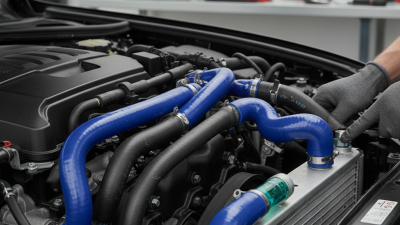
Install the hose without twisting it. Keep it away from exhaust parts, sharp brackets, belts, and moving fans. Seat each end fully on its outlet, then position clamps behind the raised fitting bead. Excessive clamp force can cut the rubber. Insufficient force can create a slow leak. Bleed trapped air according to the service procedure. A cold engine can hide a dangerous pressure problem.

Inspect hoses when the engine is cold. Look for swelling, soft spots, cracks, surface rubbing, and dried coolant near the clamps. ASTM D471 evaluates rubber volume and mass changes after fluid exposure, showing why coolant compatibility deserves attention. My earlier habit of checking only the upper hose was incomplete. The lower hose, heater hoses, and small bypass lines can fail quietly. Replace any hose that feels unusually spongy or brittle. Do not reuse contaminated coolant without checking its condition. Drips under the vehicle are a warning, not a maintenance schedule.