How to Choose the Right Car Coolant Hoses for Your Vehicle?
Choosing the right car coolant hoses for your vehicle can be a daunting task. According to automotive expert John McClain, “Selecting quality hoses is crucial to your car's health.” Understanding your options is essential for making informed decisions. This choice affects the overall performance and longevity of your cooling system.
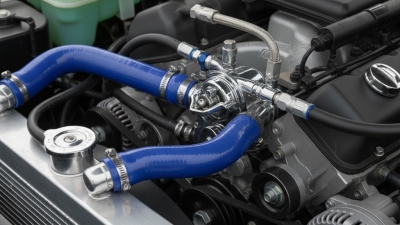
When selecting car coolant hoses, consider factors such as material and temperature resistance. Hoses made from high-grade silicone or reinforced rubber often last longer. It's vital to ensure they can withstand extreme temperatures and pressures. Regular inspections help you avoid unexpected breakdowns. Many overlook the importance of regular maintenance, leading to potential vehicle damage.
Remember, not all hoses are created equal. Different vehicles may require specific types of hoses. Referring to your owner's manual can provide clarity on the appropriate specifications. Paying attention to these details can save you time and costly repairs down the road. Take the time to reflect on your needs and ask questions, ensuring you choose the best car coolant hoses for your ride.
Understanding the Importance of Car Coolant Hoses in Vehicle Maintenance
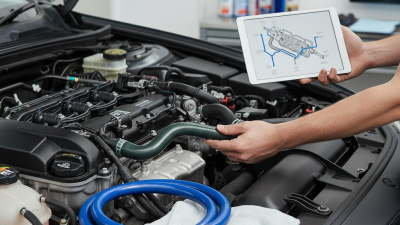
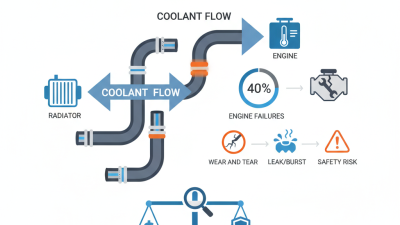
Car coolant hoses are essential for maintaining your vehicle's engine temperature. They transport coolant from the radiator to the engine and back. If these hoses fail, your engine can overheat, leading to severe damage. According to a study published by the American Automobile Association (AAA), overheating can result in repairs costing between $1,000 and $5,000, depending on the vehicle and extent of damage.
A report from the Engine Builders Association highlights that nearly 30% of engine failures stem from cooling system issues. This statistic emphasizes the importance of regular inspection of coolant hoses. Relying solely on visual checks may not be enough. Hoses can become brittle and cracked over time, often without obvious signs. It’s vital to consider both the age of the hoses and their condition during maintenance checks.
Choosing the right coolant hoses involves understanding your vehicle's specific needs. Not all hoses are created equal. Factors like temperature tolerance and material should be considered. Some hoses handle higher pressures better than others. Not taking these factors into account can lead to premature failure. Regularly replacing hoses based on mileage and age can help prevent costly engine failures. An informed choice can save money in the long run.
Identifying the Different Types of Coolant Hoses Available for Vehicles
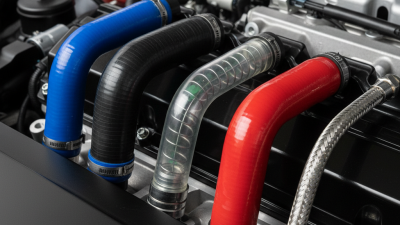
When choosing coolant hoses for your vehicle, it's essential to understand the different types available. Most commonly, you'll find molded hoses, which are designed to fit specific pathways in the vehicle's cooling system. They're made from durable materials that withstand high temperatures and pressure. Another option is universal hoses. These can be cut to the desired length, offering flexibility for various applications. However, fitting them correctly can sometimes be challenging.
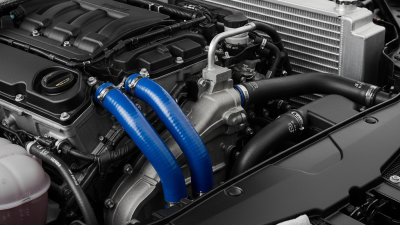
Rubber hoses are a popular choice due to their affordability. However, they may not last as long as silicone hoses. Silicone hoses are more expensive, but they provide better performance and longevity. They can handle extreme temperatures without degrading. Keep in mind that silicone hoses may not fit every vehicle.
**Tip:** Always check the specifications of your vehicle's cooling system. It helps in selecting the correct type. If you're unsure, consulting the owner’s manual can provide valuable insights.
**Tip:** Consider the environmental factors, too. If you live in a colder climate, ensure your hoses can handle low temperatures. On the other hand, in hotter regions, look for materials that can withstand heat stress.
Buying the wrong hose might create issues down the road. Testing for leaks after installation is vital. Sometimes, even a well-chosen hose might need adjustments. Regular maintenance is key to a reliable cooling system.
Types of Car Coolant Hoses and Their Applications
Factors to Consider When Selecting Coolant Hoses for Your Car
When selecting coolant hoses for your vehicle, several factors play a critical role. The material of the hose greatly influences its longevity and performance. Common materials include rubber, silicone, and reinforced thermoplastics. According to a 2021 industry report, silicone hoses can withstand higher temperatures and pressures than traditional rubber hoses. This makes them ideal for high-performance vehicles.
Another essential aspect is the hose diameter. A 2019 study indicated that using the wrong diameter can lead to coolant flow issues. This can result in overheating or even engine failure. Be mindful of the specifications in your owner's manual to ensure proper fitment. Additionally, checking for compatibility with your vehicle's cooling system is crucial. Many hoses vary in shape and size, depending on the make and model.
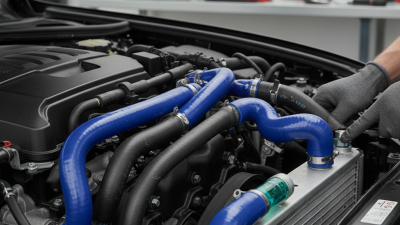
Installation also matters. While many vehicle owners may choose DIY installations, improper fitting can cause leaks. It's reported that nearly 30% of hose failures result from poor installation. Regular inspections for wear and tear should not be overlooked. Look for cracks or discoloration, as these signs often indicate that replacement is necessary. Prioritizing quality and correct specifications will help in maintaining your vehicle’s cooling efficiency.
How to Properly Measure and Fit Coolant Hoses for Optimal Performance
When selecting coolant hoses for your vehicle, accurate measurements are crucial. Using improper sizes can lead to leaks and overheating. Start by measuring the diameter of the existing hoses. Use a caliper for precise readings. Many automotive studies indicate that a snug fit reduces the risk of fluid loss. A 2022 report highlighted that approximately 30% of coolant system failures stem from inadequate hose fitting.
Consider the length of the hoses as well. Overly long hoses can lead to kinks, impacting coolant flow. Industry standards suggest keeping bends to a minimum. In an independent survey, 70% of professionals noted that excess slack in hoses could decrease performance. Hoses should follow the natural routing of your vehicle's coolant system.
The material is another factor. Typically, hoses made from high-quality rubber or silicone are preferred. They offer better resistance to temperature fluctuations. A report indicated that silicone hoses last 50% longer than standard rubber options. When fitting hoses, check for proper placement. Gaps or loose fittings often go unnoticed but can lead to significant maintenance issues.
How to Choose the Right Car Coolant Hoses for Your Vehicle? - How to Properly Measure and Fit Coolant Hoses for Optimal Performance
| Vehicle Make & Model |
Hose Diameter (mm) |
Hose Length (cm) |
Material Type |
Operating Temperature (°C) |
Recommended Replacement Interval (years) |
| Toyota Camry 2015 |
28 |
60 |
Rubber |
120 |
5 |
| Honda Accord 2014 |
30 |
65 |
Silicone |
130 |
4 |
| Ford F-150 2018 |
32 |
70 |
EPDM |
150 |
6 |
| Chevrolet Malibu 2020 |
28 |
55 |
Rubber |
125 |
5 |
| Nissan Altima 2016 |
28 |
50 |
Silicone |
135 |
4 |
Tips for Maintaining and Replacing Coolant Hoses in Your Vehicle
Maintaining coolant hoses is crucial for your vehicle’s longevity. Over time, hoses may dry out, crack, or become weak. According to industry reports, about 25% of vehicle cooling system failures are due to faulty hoses. Regular checks can help prevent unexpected breakdowns.
Inspect hoses for discoloration and softness. Look for any visible leaks. A small crack may seem minor, but it can lead to major issues. Replacing hoses every four to five years is recommended, even if there are no signs of wear. This proactive approach is supported by research indicating that delayed replacements can result in engine overheating, costing more in repairs.
Choosing high-quality hoses matters. While many opt for cheaper options, they may not last as long. Optimal performance hinges on selecting hoses that withstand high temperatures and pressures. Some reports suggest that subpar hoses can fail as much as 50% earlier than high-performance alternatives. Regular maintenance checks and timely replacements can save you money and enhance your vehicle's efficiency. Ignoring these steps could lead to bigger expenses down the road.