Essential Tips for Choosing the Right Automotive Tubing Supplier?
Choosing the right automotive tubing supplier is crucial for any automotive business. Quality tubing ensures safety and performance in vehicles. A good supplier provides reliable materials that meet industry standards. This decision can impact production efficiency and product longevity.
When selecting an automotive tubing supplier, evaluate their experience and expertise. A supplier with a solid track record can often deliver superior products. It is essential to consider their reputation within the industry. Reading customer reviews and seeking testimonials helps gauge reliability.
Location and delivery times are also significant factors. A nearby supplier may offer quicker turnaround times. However, don’t overlook suppliers with a broader selection. Sometimes, the best options are not the closest. Assess their product range and customization capabilities. It may require more effort, but research pays off. This choice ultimately influences your business’s success.

Identifying Your Automotive Tubing Needs and Specifications
When selecting the right automotive tubing supplier, understanding your specific needs is crucial. Different vehicles require various tubing materials, sizes, and specifications. For instance, consider factors like temperature tolerance and pressure requirements. These details can greatly affect performance and safety.
Identifying the correct material is also essential. Options range from rubber to metal, each offering unique benefits. Rubber tubing is often flexible and resistant to abrasion, making it suitable for certain applications. Metal tubing, on the other hand, provides durability and can withstand higher pressures. Analyzing your design criteria ensures you choose what fits best.
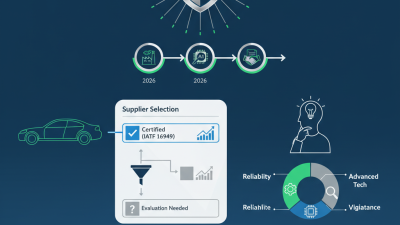
Do not overlook certifications and standards when evaluating suppliers. Compliance with industry standards is vital for reliable performance. Some suppliers may claim expertise, but verifying their certifications is key. Reach out for references or past projects. This practice not only builds trust but also reassures you of their capabilities. Understanding these aspects will lead to a more informed decision.
Researching Potential Suppliers in the Automotive Tubing Industry
Researching potential suppliers in the automotive tubing industry requires diligence and attention to detail. Start by identifying suppliers with experience in the specific tubing materials needed for your project. Look for those specializing in automotive applications, as they will have a deeper understanding of industry requirements.
When evaluating suppliers, consider their certifications and quality control processes. Documentation illustrates a supplier's commitment to maintaining high standards. Quality assurance ensures that the tubing will perform effectively in a variety of conditions. Don't hesitate to ask for sample products to assess the quality firsthand.
Another important aspect is communication. Ensure the supplier is responsive to inquiries and provides clear information. A supplier that communicates well can make the collaboration smoother. Evaluate their willingness to address issues or adapt to your needs, as flexibility is a valuable trait. This may require you to reflect on what aspects of communication are most crucial for your operations, such as turnaround times and language proficiency.
Essential Tips for Choosing the Right Automotive Tubing Supplier
| Criteria |
Importance (1-5) |
Description |
Notes |
| Quality Standards |
5 |
Ensure the supplier adheres to industry quality standards (e.g., ISO). |
Look for certifications and quality control processes. |
| Delivery Times |
4 |
Assess the supplier's capacity to meet delivery schedules. |
Check their history of on-time delivery. |
| Product Range |
3 |
Supplier's ability to offer a diverse range of tubing products. |
Consider future needs as well as current ones. |
| Customer Support |
4 |
Evaluate the quality of their customer service. |
Responsive and helpful customer support is crucial. |
| Pricing |
4 |
Consider the competitiveness of pricing without compromising quality. |
Request quotes from multiple suppliers for comparison. |
| Reputation |
5 |
Research supplier's reputation in the automotive industry. |
Check customer reviews and industry feedback. |
Evaluating Supplier Experience and Reputation in the Market
Evaluating a tubing supplier's experience is crucial. Look for a supplier with a longstanding presence in the automotive industry. An established supplier often understands market demands better than newer entrants. This experience can translate to higher-quality products. Consider how long they have been in business. A supplier with over a decade of experience may have learned from past challenges. Their ability to adapt to trends is vital.
Reputation is another key factor. Research their standing within the industry. Clients and partners often provide insights into a supplier’s reliability. Review testimonials and case studies. These can reveal details about their service quality and product consistency. Engaging with their previous clients may expose hidden strengths or weaknesses.
Trustworthiness matters greatly when selecting a supplier. Check for certifications that validate their manufacturing processes. However, be cautious; not all recognized certifications guarantee excellence. Some companies may prioritize speed over quality. Ask about their quality control measures. Understanding how they maintain standards is essential in assessing their commitment to delivering reliable products.
Assessing Quality Standards and Certifications for Tubing Products
When selecting an automotive tubing supplier, assessing quality standards and certifications is crucial. The automotive industry requires high levels of precision and durability. According to a 2022 industry report from the Society of Automotive Engineers, more than 40% of product failures relate to component quality. Hence, certifications like ISO 9001 and TS 16949 are essential. They ensure that the supplier adheres to quality management standards and meets the specific needs of the automotive market.
In addition, consider regulatory compliance. Tubing must meet various safety and performance standards depending on its application. For instance, tubing used in fuel systems must comply with ASTM specifications to avoid potential hazards. Less than 30% of suppliers meet these standards consistently, leaving room for improvement. It’s essential to request documentation from potential suppliers showcasing their certifications and quality control processes.
Choosing a supplier is not just about cost. While it may be tempting to choose the cheapest option, this decision can lead to compromises in quality. Suppliers must demonstrate a strong commitment to continuous improvement and customer feedback. An industry survey highlights that suppliers with established feedback loops improve their production processes by nearly 25%. Failing to consider these aspects can hinder the overall quality of your automotive products.
Comparing Pricing, Lead Times, and Customer Support Options
When selecting an automotive tubing supplier, pricing is a major factor. Request quotes from several suppliers to compare costs. Remember, the lowest price doesn’t always mean the best quality. Look for suppliers who offer a balance between cost and reliability. Sometimes paying a bit more ensures you receive superior materials that meet industry standards.
Lead times are another crucial element. Understand the supplier’s delivery schedule and capabilities. Delays can impact production and customer satisfaction. Confirm that they can meet your timeline before committing. If a supplier often misses deadlines, it might be a red flag. Many companies face challenges in inventory management and logistics, which can affect lead times.
Customer support options should not be overlooked. A supplier should offer clear communication and assistance. Check if they provide dedicated support channels. Responsive customer service can make troubleshooting easier. Some suppliers may promise excellent service but fall short during critical moments. Investigate reviews and testimonials to gauge their reliability. Grasping these aspects ensures you make a well-informed decision regarding your supplier.