The Best 10 Tips for Achieving IATF 16949 Certification?
Achieving IATF 16949 certification is a significant milestone for any automotive organization. This standard ensures that companies meet the evolving needs of the automotive industry. It focuses on continuous improvement, defect prevention, and the reduction of variation and waste in the supply chain.
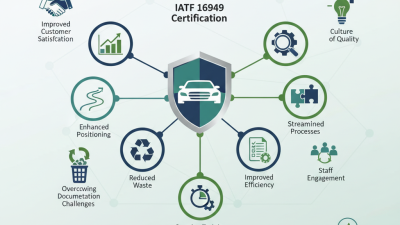
Securing this certification involves various steps that can be challenging. Companies may struggle with understanding specific requirements and integrating them into their processes. Organizations often need to rethink their existing systems and identify areas for improvement. By doing so, they not only enhance compliance but also boost operational efficiency and customer satisfaction.
Each step toward IATF 16949 certification requires commitment. It’s easy to overlook documentation or training. Companies must also foster a culture of quality. Small lapses can lead to setbacks. Thus, reflection and a proactive approach are crucial to achieving lasting success in the certification journey.

Understanding IATF 16949 Certification and Its Importance
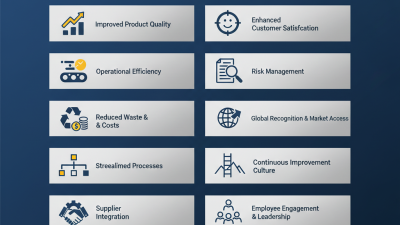
IATF 16949 certification is crucial for automotive manufacturers aiming for excellence. This standard focuses on the quality management system for production and service. Achieving it signals a commitment to quality and customer satisfaction. Companies can reduce costs and improve efficiency by streamlining operations.
Understanding the significance of IATF 16949 is essential. It provides a framework for continuous improvement and risk management. Adopting this standard can enhance supply chain relationships. However, it’s not just about meeting requirements; reflection on current processes is vital. Many organizations underestimate the effort needed for implementation. Failure to engage employees or adapt to new practices can hinder success.
Regular audits and reviews are necessary for maintaining certification. Companies must continually educate their workforce. This certification journey can reveal shortcomings and areas for growth. Embracing feedback and learning from mistakes is part of the process. Without this mindset, the true benefits of IATF 16949 may remain unrealized.
The Best 10 Tips for Achieving IATF 16949 Certification
| Tip Number |
Tips |
Description |
| 1 |
Understand the Standard |
Familiarize yourself with the IATF 16949 requirements and guidelines. |
| 2 |
Engage Leadership |
Ensure top management supports and participates in the certification process. |
| 3 |
Create a Project Plan |
Develop a timeline and outline roles for achieving certification. |
| 4 |
Conduct Training |
Train employees on IATF 16949 processes and their roles in compliance. |
| 5 |
Establish a Quality Management System |
Implement a robust QMS meeting IATF requirements. |
| 6 |
Perform Internal Audits |
Regular audits help identify gaps in compliance. |
| 7 |
Focus on Continuous Improvement |
Encourage practices that promote ongoing quality enhancement. |
| 8 |
Engage Suppliers |
Ensure suppliers meet IATF standards as part of the quality chain. |
| 9 |
Conduct a Management Review |
Regular reviews of the QMS ensure alignment and assess effectiveness. |
| 10 |
Select a Reliable Certification Body |
Choose a respected body to facilitate your certification process. |
Key Steps to Prepare Your Organization for IATF 16949 Certification
Preparing for IATF 16949 certification requires a multi-faceted approach. Organizations must first conduct a thorough gap analysis. This helps identify areas that need improvement before formal audits begin. According to a recent report from the International Automotive Task Force, companies that engage in pre-audit assessments gain a 30% higher success rate in certification.
Engaging employees in the certification process is crucial. Training and awareness programs can enhance employee understanding of quality management systems. Recent studies indicate that firms with engaged employees see a 25% increase in productivity. However, many organizations overlook this vital step, leading to misalignment in quality objectives. Creating a culture of continuous improvement helps bridge this gap.
Documentation is another core requirement. All processes must be well-documented and accessible. A 2022 survey revealed that 45% of non-conformities during audits stem from inadequate documentation practices. Organizations must regularly review and update their quality manuals and procedures. These efforts often reveal overlooked compliance issues that could derail certification attempts. Involving cross-functional teams in this review can provide diverse insights and strengthen the overall process.
Essential Documentation and Record-Keeping for Certification Success
Achieving IATF 16949 Certification requires meticulous attention to documentation and record-keeping. This certification focuses on continuous improvement, requiring companies to maintain records that illustrate their quality management processes. Essential documents include quality manuals, procedures, and work instructions. Each document should be clear and easily accessible.
One effective tip is to create a centralized repository for documentation. Storing all files in one location minimizes confusion. Regular audits of this repository ensures that the documents are up-to-date and align with current practices. It’s easy to overlook this step, but it is crucial for achieving certification.
Another important aspect is to implement a robust change management process. Each document should include revision history, detailing changes made over time. This transparency builds credibility and demonstrates a commitment to quality. Companies often struggle here, as outdated documents can lead to inconsistencies. Addressing this challenge head-on will strengthen your audit results. Regular training sessions can also help familiarize your team with documentation practices.
The Best 10 Tips for Achieving IATF 16949 Certification
This bar chart illustrates the importance level of various tips for achieving IATF 16949 certification, rated on a scale from 1 to 10. The tips highlight key areas crucial for successful certification.
Training and Competence Development for IATF 16949 Compliance
Achieving IATF 16949 certification requires a strong focus on training and competence development. Research indicates that organizations with robust training programs can improve their operational efficiency by up to 30%. This highlights the importance of investing in employee skill development. Engaging employees through tailored workshops enhances their understanding of quality management systems and automotive standards.
Effective training should address both theoretical knowledge and practical application. Many companies overlook the importance of real-world scenarios in training sessions. Simulations and case studies can bridge this gap. Reports suggest that organizations incorporating hands-on training report a 25% increase in compliance rates. Knowledge retention is higher when employees apply what they learn in realistic settings.
Moreover, an effective competence framework is essential. Organizations need to assess their workforce’s skills continuously. Regular evaluations can identify competence gaps. Addressing these gaps can reduce the risk of non-compliance, which is crucial. Data shows that organizations that do not invest in staff training face a compliance failure rate of over 50%. Developing a culture of continuous learning is therefore vital for IATF 16949 success.
Conducting Internal Audits to Ensure Continued Compliance and Improvement
Conducting internal audits is crucial for IATF 16949 certification. These audits help organizations identify gaps in their processes. According to a recent industry report, 70% of companies that conduct regular audits mark significant improvement in compliance. Internal audits should focus on all aspects of the Quality Management System. This includes documentation, processes, and personnel competence. A thorough audit supplies objective data for leadership to make informed decisions.
While audits can enhance quality, they also reveal weaknesses. A common mistake is viewing audits as mere checklists. This narrow focus may overlook deeper issues. Organizations must foster a culture of continuous improvement. By engaging employees at all levels, audits can drive innovation and efficiency. Only 50% of firms use audit findings to inform strategic planning. This shows a need for better integration of audit insights into business decisions.
Challenging areas often include supplier management and product realization processes. A staggering 40% of non-conformities relate to these areas during audits. Addressing these findings can lead to a stronger supply chain and better product quality. The goal is to build a proactive approach rather than a reactive one. Organizations should use audit findings for long-term improvements, not just immediate fixes. Regular audits can transform the compliance landscape and elevate performance standards across the board.