2026 How to Choose PA12 Multi Layer Tubes for Your Project?
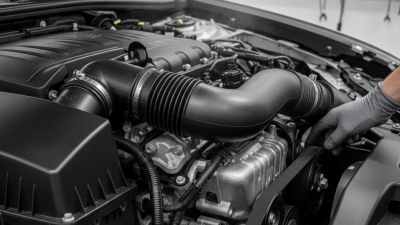
Choosing the right PA12 multi-layer tubes for your project can greatly influence its success. According to industry expert Dr. John Lee, “Selecting the appropriate materials is crucial for performance and durability.” PA12 multi-layer tubes offer unique advantages, such as resistance to chemicals and flexibility. This makes them suitable for various applications, from automotive to aerospace.
However, the selection process can be overwhelming. Factors such as thickness, layer structure, and intended use must be carefully considered. A common mistake is underestimating the environmental conditions the tubes will face. This can lead to premature failure or reduced efficiency. Engineers must analyze both the technical specifications and the operational environment.
Furthermore, it’s essential to consult with manufacturers for insights into the latest innovations. Some techniques used in creating these tubes may not be widely known. By understanding the nuances of PA12 multi-layer tubes, engineers can make informed decisions. This ensures the right fit for their projects, enhancing longevity and performance. Emphasizing research and expert advice will lead to better outcomes in your selection process.

Understanding PA12 Multilayer Tubes: Properties and Benefits
PA12 multilayer tubes have gained traction across diverse industries due to their unique properties. They showcase excellent chemical resistance, making them suitable for various applications in automotive and aerospace sectors. Recent studies indicate that PA12 tubes can withstand harsh environments, improving reliability. Statistical reports from industry experts suggest that PA12 demonstrates less than 0.1% moisture absorption, which is critical for maintaining structural integrity.
Moreover, the multilayer design of these tubes enhances their mechanical strength while keeping them lightweight. This characteristic is particularly beneficial in applications where weight reduction is key, like in the aviation industry. Research indicates that using PA12 multilayer tubes can lead to a 30% reduction in weight compared to traditional materials. Such savings can significantly improve fuel efficiency and overall performance.
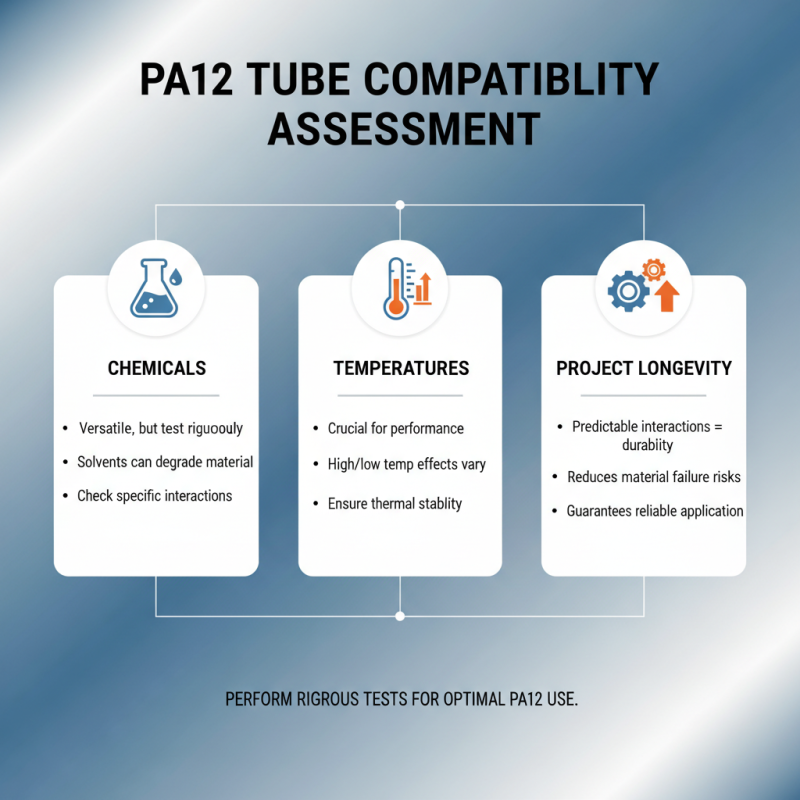
Despite these advantages, choosing PA12 multilayer tubes requires careful consideration. Factors like compatibility with specific fluids and temperature variations must be addressed. An assessment of application requirements is essential to avoid potential failures. Therefore, understanding material properties is vital to make informed decisions. This allows engineers to leverage PA12’s benefits effectively while minimizing risks.
Evaluating Manufacturing Techniques for PA12 Tubes
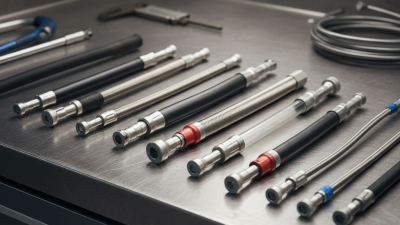
When considering PA12 multi-layer tubes for your project, evaluating manufacturing techniques is essential. PA12, or polyamide 12, is known for its excellent mechanical properties and chemical resistance. This makes it ideal for applications in automotive, aerospace, and medical industries. A report from the Specialty Polymers Association indicates that the demand for PA12 tubes is projected to grow by over 5% annually through 2026.
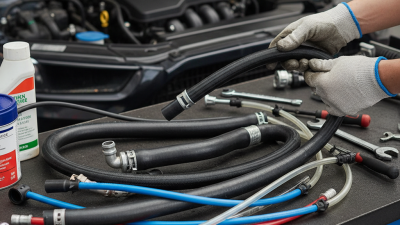
Different manufacturing techniques can significantly impact the performance and cost of PA12 tubes. Extrusion is one common method, often chosen for its efficiency and consistency. However, having inline capabilities to inspect the tube’s integrity can lead to potential quality issues. It’s important to assess whether the manufacturer has invested in modern extrusion equipment that meets your quality standards.
Tips: Always ask about the quality control processes in place. A manufacturer with a robust quality assurance framework can save you time and money.
Another technique is injection molding, which can provide precise dimensions but may be limited in the complexity of designs. It’s worthwhile to examine whether the technique aligns with your project’s requirements. While this method may produce high-quality parts, it can also lead to higher initial costs due to tooling. Be sure to evaluate the long-term benefits against these upfront expenses.
Tips: Don't hesitate to request samples. Testing prototypes can provide better insight into performance before committing to a large order.
2026 How to Choose PA12 Multi Layer Tubes for Your Project? - Evaluating Manufacturing Techniques for PA12 Tubes
| Attribute |
Description |
Advantages |
Disadvantages |
| Material Composition |
PA12 (Polyamide 12) |
Lightweight, chemical resistance |
Higher cost compared to other materials |
| Manufacturing Method |
Extrusion |
High production rate |
Less control over thickness |
| Layer Configuration |
Multi-layered structure |
Improved barrier properties |
Complexity in manufacturing |
| Diameter Options |
Customizable diameter |
Versatile application usage |
Longer lead times for custom sizes |
| Temperature Range |
-40°C to 90°C |
Suitable for diverse environments |
Limited performance at extreme temperatures |
Key Applications of PA12 Multi Layer Tubes in Various Industries
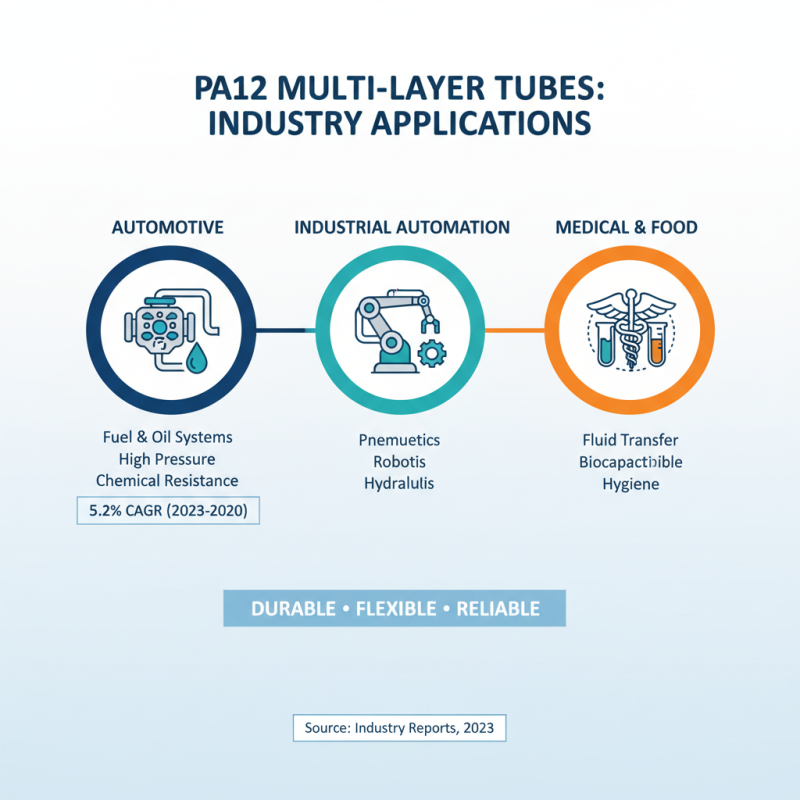
PA12 multi-layer tubes are increasingly used across various industries. Their unique properties make them suitable for demanding environments. In the automotive sector, for instance, these tubes perform well in fuel and oil systems. They can withstand high pressures and offer excellent resistance to chemical degradation. Industry reports show that the automotive market for PA12 materials is expected to grow at a CAGR of 5.2% from 2023 to 2030, emphasizing their importance.
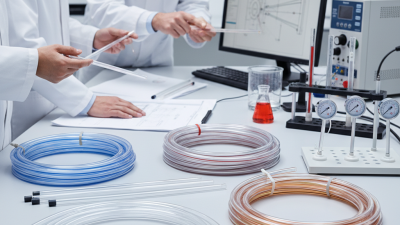
In the medical field, PA12 multi-layer tubes are critical for devices that require sterile and reliable fluid delivery. Their biocompatibility is essential for patient safety. These tubes are often used in IV lines and catheter systems. According to the latest data, the medical tubing market is projected to reach USD 8.2 billion by 2026. Such growth highlights the need for high-quality materials that ensure safety and performance.
Despite their advantages, selecting the right PA12 multi-layer tube is not always straightforward. Factors like temperature resistance, flexibility, and compatibility with various fluids must be considered. In some applications, issues of brittleness can arise, affecting performance under stress. Thus, careful evaluation is vital. An informed choice can lead to enhanced efficiency and safety in a project.
Cost Analysis and Procurement Strategies for PA12 Multi Layer Tubes
When selecting PA12 multi-layer tubes, cost analysis is crucial. The average market price per meter for PA12 tubing can fluctuate significantly, ranging from $2.50 to $4.00. Factors like quality and supplier strategies can lead to variations. A report from the Plastics Industry Association indicates that raw material costs have escalated by approximately 15% over the past year, impacting overall pricing.
Procurement strategies should focus on sourcing from reliable suppliers. Establishing relationships with multiple suppliers can provide access to competitive pricing. Data shows that companies using a multi-supplier strategy have reduced costs by up to 10%. However, relying solely on the lowest price can backfire. Quality issues can arise if the supplier cutting costs compromises material standards.
Analyzing long-term costs is essential. Initial savings may come at the expense of durability and performance. Reports indicate that lower-quality materials lead to higher failure rates, increasing maintenance expenses in the long run. In the end, a balanced approach to procurement can enhance both the performance and cost efficiency of your project.
Cost Analysis of PA12 Multi Layer Tubes for Various Applications