10 Essential Tips for Maintaining Your Brake Hoses for Vehicle Safety?
Maintaining your brake hoses is crucial for vehicle safety. Brake hoses are essential components that ensure effective braking performance. According to John Smith, a brake system specialist with over 20 years of experience, "Neglecting brake hoses can lead to dangerous situations on the road."
A well-maintained brake system requires attention to detail. Inspecting brake hoses regularly can prevent failures and accidents. Brake hoses should be free from cracks, bulges, or leaks. Over time, wear and tear can compromise their integrity, making regular checks essential. This aspect of vehicle maintenance is often overlooked, yet it can make a significant difference.
Incorporating a routine inspection can enhance safety. Pay attention to any unusual noises or sensations when braking. These could indicate hose issues. Remember, a few extra minutes spent checking can save lives. When it comes to brake hoses, proactive care is better than reactive measures.
Understanding the Importance of Brake Hoses in Vehicle Safety
Brake hoses play a crucial role in vehicle safety. They are responsible for transferring brake fluid from the master cylinder to the brake components at the wheels. Over time, these hoses can deteriorate due to heat, pressure, and exposure to environmental factors. A weakened hose can lead to brake fluid leaks, which may result in brake failure. This underlines the importance of regular maintenance and inspections.
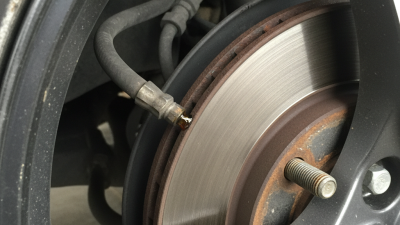
Understanding the signs of brake hose wear is essential. Look for cracks, fraying, or bulges on the surface. Even small imperfections can lead to bigger problems. Neglecting these issues could compromise your braking system. It's also vital to check for any leaks around the fittings. A simple visual inspection can save you from dangerous situations. Make it a habit to monitor your braking system regularly. Simple checks can greatly improve your vehicle's safety.
Identifying Signs of Wear and Tear in Brake Hoses
Brake hoses are crucial for vehicle safety. Recognizing the signs of wear and tear can prevent serious accidents. The National Highway Traffic Safety Administration (NHTSA) reports that brake failures contribute to a significant percentage of traffic incidents. It’s essential to monitor your brake hoses regularly.
One key indicator of wear is discoloration. If you notice any unusual tint or fading, this could signify deteriorating rubber. Cracks or splits are also red flags. Even small abrasions can compromise integrity. A study by the Automotive Aftermarket Industry Association shows that nearly 30% of vehicle breakdowns are related to brakes. Learning to identify these issues can save lives.
Fluid leaks are another critical warning. They can lead to decreased braking power. Inspect hoses for wet spots or drips. A recent report from the Society of Automotive Engineers highlights that routine checks can catch these problems early. While some wear is expected over time, ignoring these signs can lead to costly repairs and unsafe driving conditions. Staying proactive is vital for safety.
10 Essential Tips for Maintaining Your Brake Hoses for Vehicle Safety
| Tip Number |
Maintenance Tip |
Signs of Wear |
Recommended Action |
| 1 |
Regular Visual Inspections |
Cracks, bulges, or frayed edges |
Replace immediately |
| 2 |
Ensure Proper Connections |
Leaks at connection points |
Tighten or replace fittings |
| 3 |
Check for Physical Damage |
Dents or kinks in hoses |
Replace damaged hoses |
| 4 |
Monitor Fluid Levels |
Low brake fluid levels |
Check for leaks or moisture |
| 5 |
Inspect for Corrosion |
Rust or corrosion on metal fittings |
Replace corroded components |
| 6 |
Keep Hoses Away from Heat Sources |
Signs of melting or deformation |
Re-route hoses as necessary |
| 7 |
Replace Hoses Every Few Years |
Old or hardened hoses |
Follow manufacturer recommendations |
| 8 |
Install Hoses Correctly |
Improperly installed hoses |
Reinstall following guidelines |
| 9 |
Use Quality Parts |
Using cheap replacements |
Invest in high-quality hoses |
| 10 |
Consult a Professional |
Uncertain about hose condition |
Schedule a professional inspection |
Routine Inspection Techniques for Brake Hose Maintenance
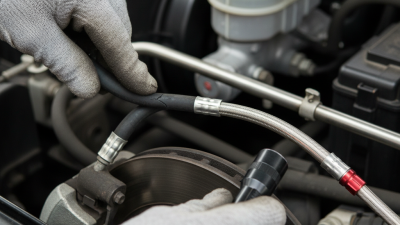
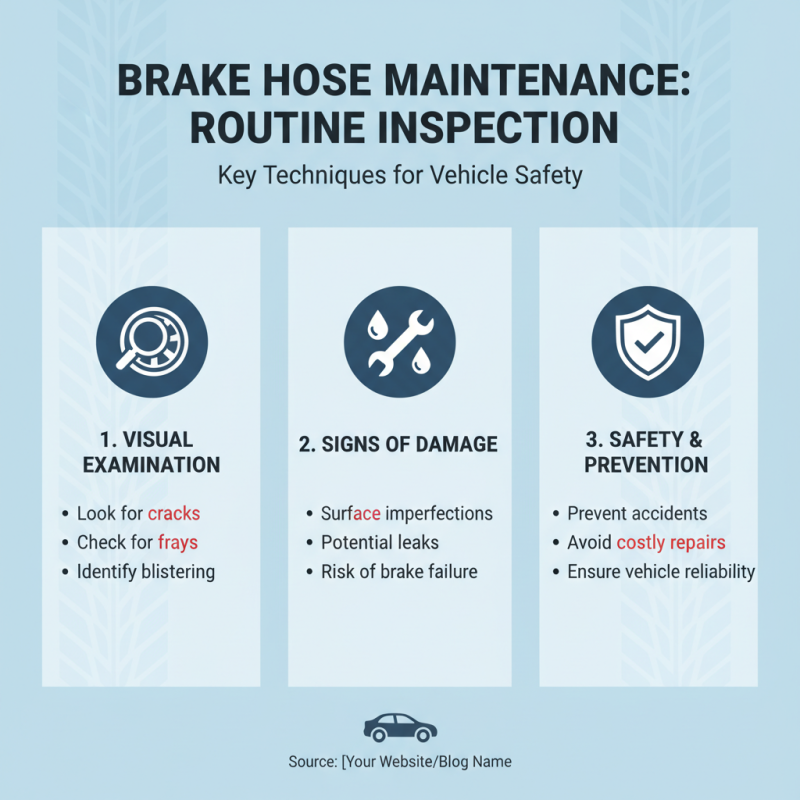
Routine inspection of brake hoses is critical for vehicle safety. A thorough check can prevent accidents and costly repairs. Start by visually examining your brake hoses for any signs of wear or damage. Look for cracks, frays, or blistering on the surface. These imperfections can lead to leaks and brake failure if ignored.
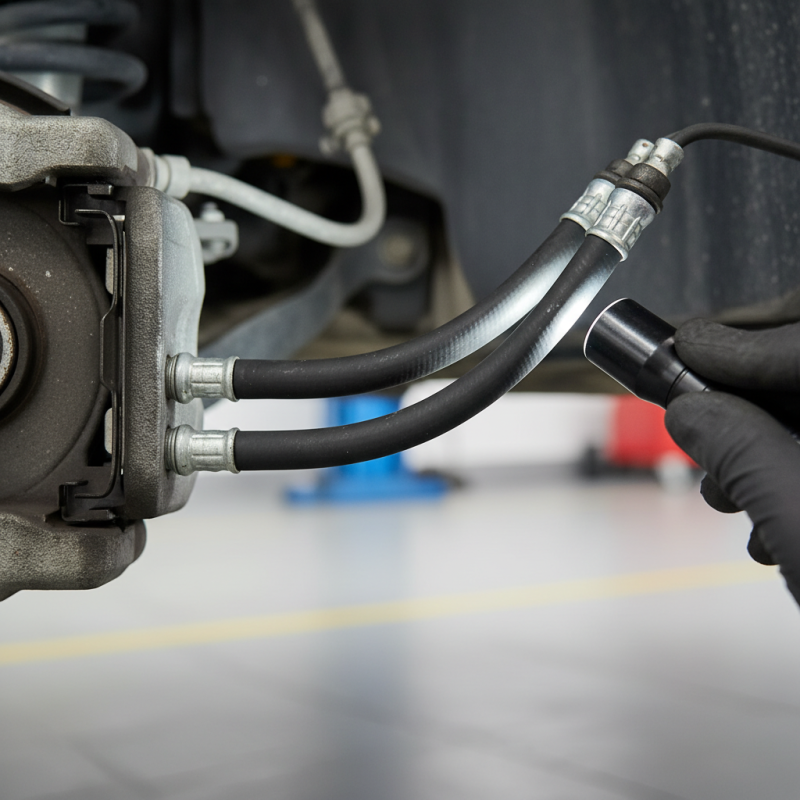
Additionally, pay attention to the connections where hoses meet the brake components. Ensure there are no leaks at these points. A small drop of fluid can indicate a serious issue. You may consider using a flashlight to inspect these hard-to-reach areas. If you’re unsure about what to look for, consult a repair manual or seek guidance from a professional.
While DIY inspections are valuable, they have limitations. You might miss subtle signs of wear or internal issues. Regularly scheduled inspections by a qualified technician can provide deeper insights. Remember, brake hose maintenance requires vigilance and attention to detail. Ignoring these checks could compromise your safety on the road.
Best Practices for Cleaning and Protecting Brake Hoses
When it comes to vehicle safety, maintaining your brake hoses is essential. Regular cleaning helps to prevent the build-up of dirt and grime. Use a soft cloth or sponge with mild soap to wipe down the hoses. This simple action can extend their lifespan significantly. Make sure to rinse them well, as soap residue can cause damage over time.
Protection is equally important. Apply a rubber conditioner to keep the hoses flexible and prevent cracking. Check for any signs of wear or leaks after cleaning. It’s easy to overlook these issues. Even small cracks can lead to bigger problems. Regular inspections can make a huge difference.
Storing your vehicle properly also impacts hose condition. Avoid exposure to extreme temperatures and sunlight. Consider using a cover if the vehicle is parked outside. While maintaining your brake hoses may seem non-critical, neglect can have dire consequences. Keeping them clean and protected is a proactive step every vehicle owner should take.
When to Replace Brake Hoses for Optimal Vehicle Performance
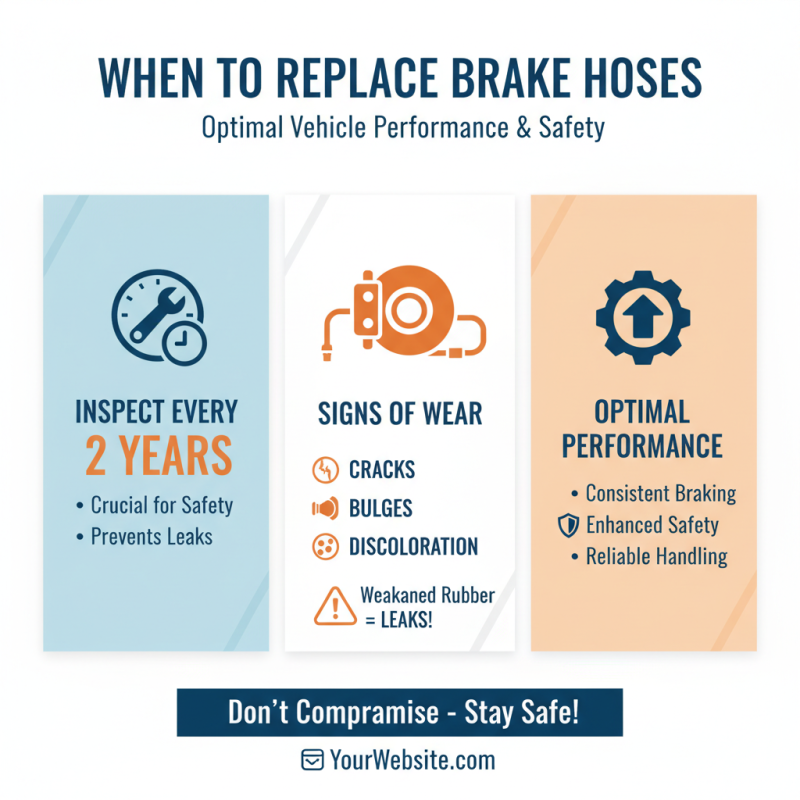
Brake hoses are crucial for the safety and performance of your vehicle. Understanding when to replace them is vital. Typically, brake hoses should be inspected every two years. Look for signs of wear, such as cracks or bulges. Exposed rubber can weaken over time and lead to leaks. If you notice any discoloration, it might indicate a problem.
Pay attention to your vehicle’s braking response. If the pedal feels spongy or requires excessive pressure, it may be a sign of hose deterioration. Listening for unusual sounds during braking is also important. A hissing noise could mean a failing hose. These signs can often be overlooked but should not be ignored.
Regular maintenance can enhance your vehicle’s lifespan. Letting your brake hoses go unchecked can lead to more serious issues. Remember, safety should always come first. Investing time in these small checks can prevent dangerous situations on the road. Trust your instincts when something feels off; it might save your life.