Top 10 Things You Should Know About Brake Hoses?
Brake hoses play a vital role in vehicle safety. These components are responsible for carrying brake fluid between the master cylinder and brake calipers. According to the National Highway Traffic Safety Administration (NHTSA), faulty brake systems account for nearly 22% of all vehicle crashes. This highlights the importance of ensuring brake hoses are in optimal condition.
Inspecting brake hoses regularly can prevent failures that may lead to dangerous situations. The automotive industry reports that silicone-based hoses can last longer than traditional rubber hoses, yet many vehicles still use the latter. A study noted that rubber hoses may degrade after only five years. Drivers must prioritize maintenance and replacement of these parts.
There is often a lack of awareness regarding the significance of brake hoses. Even experienced drivers can overlook them during routine inspections. This negligence can lead to brake failure, posing risks not just for the driver but for others on the road. Understanding the specifics of brake hoses can enhance vehicle safety and performance.
Understanding the Function of Brake Hoses in Vehicle Safety
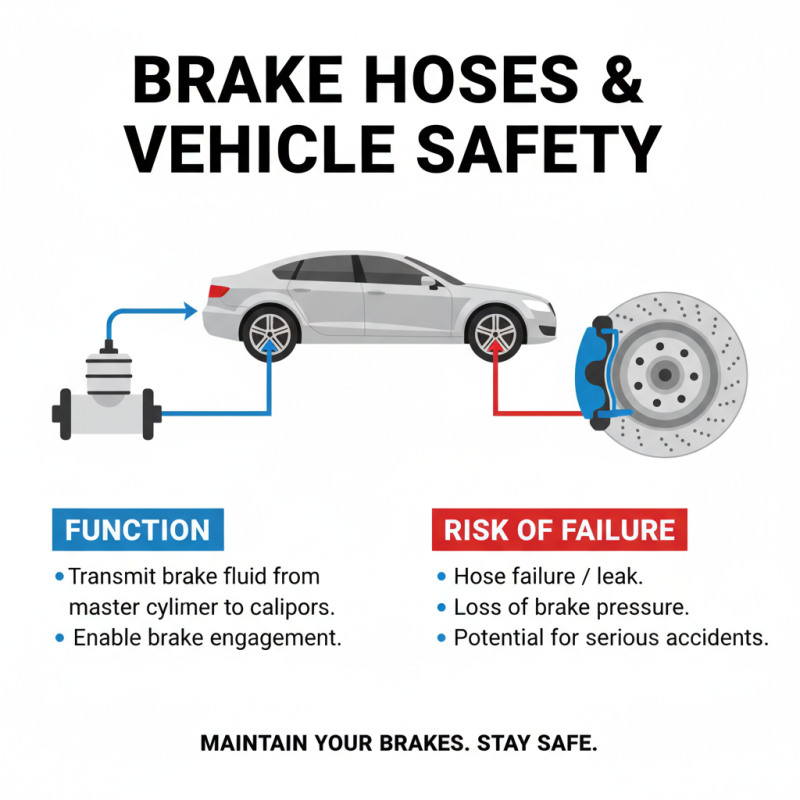
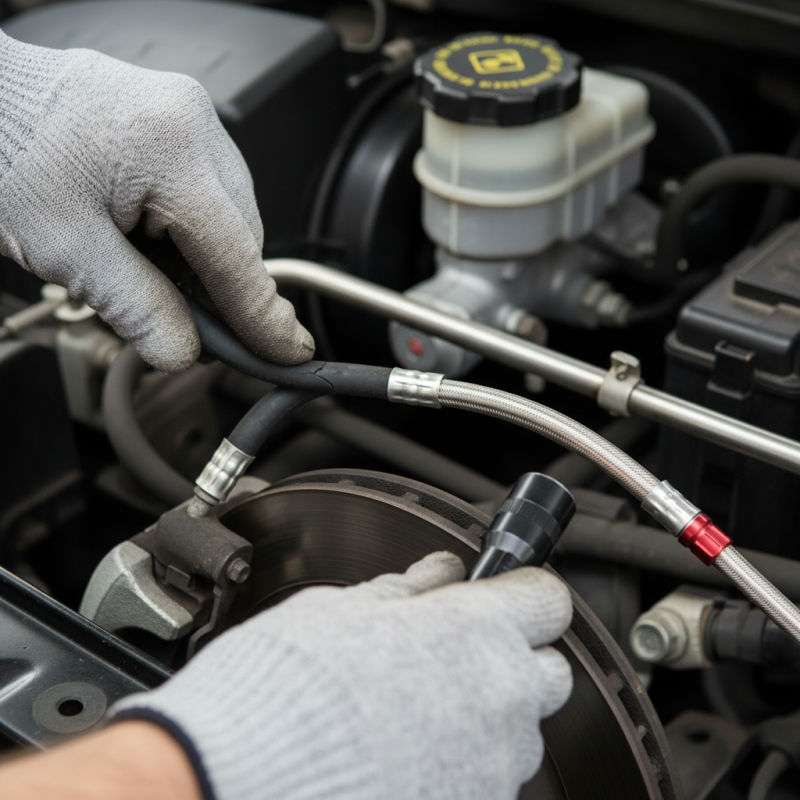
Brake hoses play a crucial role in vehicle safety. They transmit brake fluid from the master cylinder to the brake calipers. This pressure allows the brakes to engage effectively, ensuring the vehicle can stop smoothly. If a hose fails or leaks, it can lead to brake failure. Such a situation can cause severe accidents.
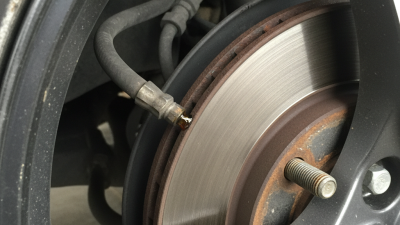
To maintain optimal safety, regularly inspect your brake hoses for any signs of wear. Cracks or bulges in the hoses indicate they need replacing. It’s vital to check connections for leaks too. Use a flashlight to look closely at all the fittings. Remember, watching for these signs can prevent emergencies on the road.
Don't ignore the importance of temperature. High heat can damage brake hoses. If you frequently drive in mountainous areas, your hoses might wear out faster. The stress from brake usage should never be underestimated. Investing time in understanding your brake system can save lives.
Types of Brake Hoses: Rubber vs. Stainless Steel
When it comes to brake hoses, choosing the right type is critical. There are two main options: rubber and stainless steel. Rubber hoses are the traditional choice. They are flexible and cost-effective. However, they can deteriorate over time due to heat and moisture. This wear and tear can lead to potential brake failure if not monitored. Regular inspections are essential to catch any signs of wear.
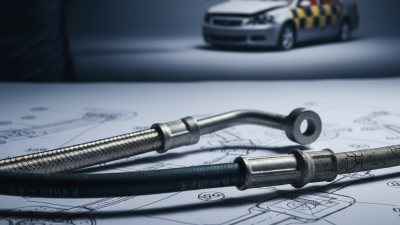
On the other hand, stainless steel hoses offer increased durability. They resist corrosion and are less prone to expansion under pressure. This means they provide more consistent performance. Installations can be slightly more complex, as they often require specific fittings. Some users might struggle with the cost, but the long-term benefits may outweigh the initial investment. Remember that a high-quality brake hose can enhance overall safety and performance. It's crucial to weigh these factors carefully during replacement or upgrades.
Common Signs of Brake Hose Wear and Tear
Brake hoses are essential components of a vehicle's braking system. Over time, they can show signs of wear and tear. Recognizing these symptoms is crucial for safety. Studies indicate that nearly 20% of brake system failures are linked to damaged brake hoses.
One common sign of deterioration is fraying or cracking. Inspect the hoses regularly for any visible signs of wear. Look closely at the outer layer. If you spot uneven surfaces or small cuts, it’s time to take action. Hoses should feel firm yet flexible. If they are brittle, replace them immediately.
Another alarming sign is fluid leaks. If you notice puddles of brake fluid beneath your vehicle, this could indicate a hose issue. Brake fluid is typically clear or light brown. Check the fluid levels often. Reduced levels can lead to brake failure. An alarming statistic shows that brake-related accidents could be reduced by 50% with timely maintenance. Regular inspections and quick replacements can prevent severe consequences. Prioritizing brake hose health is not just smart; it's essential for safe driving.
Steps for Inspecting and Maintaining Your Brake Hoses
Brake hoses play a crucial role in vehicle safety. Inspecting and maintaining these components is essential. Regular checks can prevent serious accidents. Research shows that nearly 30% of brake failures stem from hose issues. Inspecting hoses should be a key part of vehicle maintenance.
Start by visually inspecting the hoses for any signs of wear and tear. Look for cracks, bulges, or frayed surfaces. Such damage often indicates that the hose is nearing failure. Additionally, check for any leaks. A small leak can lead to a significant drop in brake performance. In a recent study, 25% of vehicle owners neglected this simple step, potentially putting lives at risk.
Consider the age of your brake hoses too. Most manufacturers recommend a replacement every four to six years. This ensures optimal performance. Keep in mind that environmental factors can affect hose integrity. Exposure to extreme heat or cold can accelerate deterioration. Regular maintenance can help catch problems early and keep your braking system reliable.
When to Replace Brake Hoses for Optimal Performance
Brake hoses play a crucial role in your vehicle's braking system. Over time, these components can wear out due to heat, moisture, and pressure. Signs of deterioration include cracking, swelling, or bursts. If you notice any of these issues, it's time to act. Ignoring warning signs can lead to brake failure. Such a scenario poses serious risks to both you and others on the road.
Replacing brake hoses is essential for optimal vehicle performance. Most experts recommend checking them every two years or during regular maintenance. This ensures they stay in peak condition. If you frequently drive in harsh conditions, like extreme temperatures or rough terrains, consider a shorter replacement interval. It’s essential to follow best practices regarding these vital components. Many individuals overlook brake hoses, thinking there's no urgency. This can be a costly mistake. Always keep an eye on your braking system's health to maintain safety on the road.
Top 10 Things You Should Know About Brake Hoses - When to Replace Brake Hoses for Optimal Performance
| Aspect |
Details |
| Material |
Rubber, reinforced with braided steel or nylon for durability. |
| Lifespan |
Typically 4 to 6 years; varies by driving conditions and environment. |
| Signs of Wear |
Cracks, fraying, or bulging in the hose material. |
| Brake Fluid Type |
DOT 3, DOT 4, or DOT 5.1; using the wrong type can damage hoses. |
| Installation |
Should be performed by a qualified technician for safety. |
| Testing |
Hoses should be tested for leaks during regular maintenance checks. |
| Environmental Impact |
Extreme temperatures and conditions can lead to faster deterioration. |
| Replacement Frequency |
Recommended every 4 years or sooner if abnormalities are noticed. |
| Cost |
Replacement costs can vary, typically $50 to $150 depending on the vehicle. |
| Safety Importance |
Critical for vehicle safety; worn hoses can lead to brake failure. |