Inquiry
Form loading...

How to Choose the Right Brake Hoses for Your Vehicle?

Choosing the right brake hoses is a small decision with serious consequences. These flexible lines carry pressurized brake fluid to each wheel, so their condition directly affects braking response. A hose that looks acceptable may still have internal damage, swelling, or restricted flow. Small details matter.

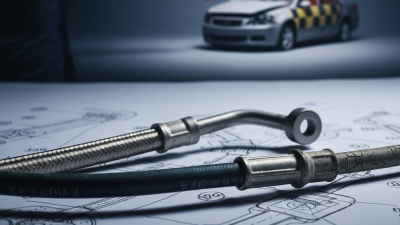
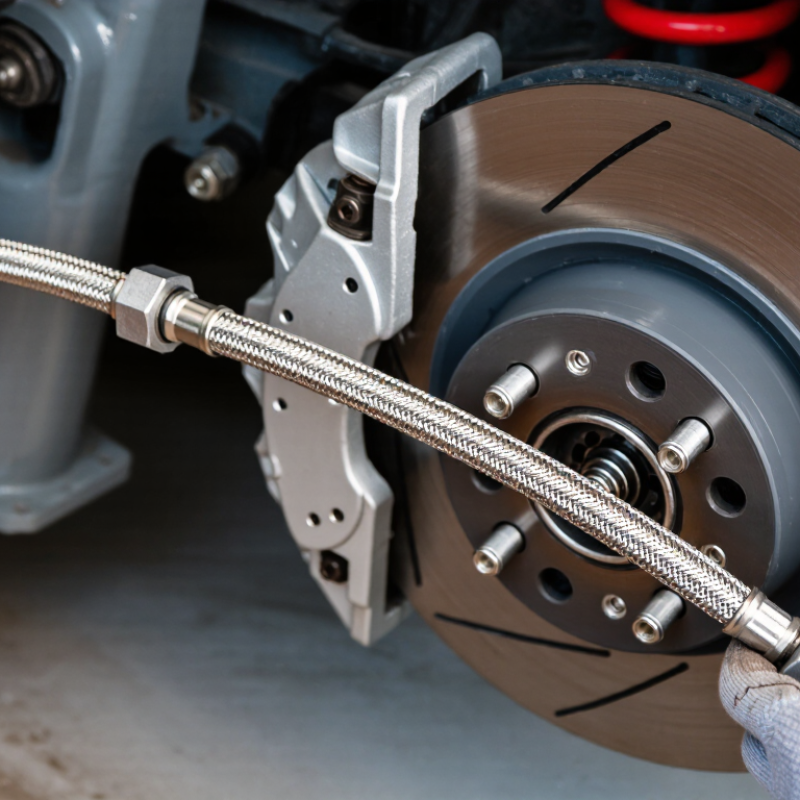
The correct choice begins with your vehicle’s exact year, model, engine, and braking system. Fitment comes first. Always compare the hose with the manufacturer’s specifications, connection type, length, and routing points. Rubber brake hoses often suit standard road use, while reinforced stainless-steel options may offer firmer pedal feedback when properly installed. However, a stronger-looking hose is not automatically safer. Quality certification, corrosion resistance, and reliable end fittings matter more than appearance.

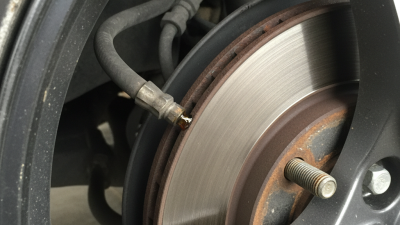
During inspection, look for surface cracks, wet spots, bulges, twisted sections, and contact with suspension parts. A hose rubbing against a wheel or control arm can fail gradually, not dramatically. Experienced technicians also check how the hose moves during steering and suspension travel. This step is commonly overlooked. Do not rely only on online reviews or a low price. Use a trusted supplier and confirm compatibility before ordering.

No checklist is perfect. Vehicle modifications, previous repairs, or regional specifications can complicate selection. If the routing seems uncertain, ask a qualified brake professional to inspect it. After installation, the system must be bled correctly, leaks must be checked, and the pedal should feel firm. Safe braking depends on the entire system, not one attractive component.
How to Choose the Right Brake Hoses for Your Vehicle?

Identify VIN, OE Part Number, Hose Length, and Fitting Specifications

How to Choose the Right Brake Hoses for Your Vehicle?

Choosing brake hoses starts with identification, not appearance. Start with the VIN. It confirms the vehicle’s production year, engine, axle, and brake configuration. One model may use different hoses across trim levels or build dates.

The National Highway Traffic Safety Administration reported 42,514 U.S. traffic deaths in 2022, making accurate brake-component selection essential. Small errors matter.

Match the hose with its OE part number whenever possible. Then compare the listed hose length with the original routing. Do not measure a stretched or damaged hose as your only reference. Check the bend shape, bracket position, and clearance near the wheel.

Federal Motor Vehicle Safety Standard No. 106 requires hydraulic brake hoses to pass burst, whip, elongation, and constriction tests. Compliance data still depends on selecting the correct application.

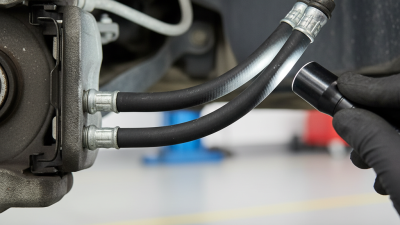
Fitting specifications deserve equal attention. Confirm thread size, thread pitch, sealing method, and connector type. Check whether the hose uses a banjo fitting, a flare fitting, or a threaded end. Metric and inch threads can appear deceptively similar. A hose can look right and still leak. It happens.

During installation, follow the vehicle service manual and use the specified torque. Confirm full steering and suspension travel without rubbing or twisting. Catalog information is useful, but not flawless. I would verify every critical measurement before installation.
Match Hydraulic Brake Hoses with FMVSS No. 106 and SAE J1401

How to Choose the Right Brake Hoses for Your Vehicle?

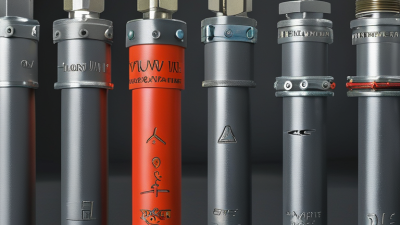
A brake hose is a pressure vessel, not merely a flexible tube. It transfers hydraulic pressure while surviving steering movement, vibration, heat, and road moisture. FMVSS No. 106 establishes U.S. requirements for hydraulic brake hoses, including burst, whip, tensile, and expansion performance. SAE J1401 adds detailed engineering guidance for hydraulic brake hose assemblies used on road vehicles. NHTSA’s 2023 Traffic Safety Facts recorded 40,901 U.S. traffic fatalities. The report does not isolate hose failures, but it reinforces the importance of dependable braking components.

During installation, compare the original hose length, fitting shape, thread type, and bend angle. A hose that twists near the caliper can fail prematurely. Check its routing with the wheels turned fully left and right. The hose should not touch the tire, suspension spring, or sharp bracket edges. Look for the required compliance marking and documentation. Markings help, but they are not proof of correct fit. I have seen visually similar hoses create awkward bends after installation. That detail is easy to miss.

Tips: Choose assemblies tested for FMVSS No. 106 and aligned with SAE J1401. Replace damaged copper washers and secure every retaining clip. After bleeding, inspect for leaks while pressing the pedal firmly. Recheck clearance before driving. Don’t rely on appearance alone.

How to Choose the Right Brake Hoses for Your Vehicle? - Match Hydraulic Brake Hoses with FMVSS No. 106 and SAE J1401

Selection Dimension What to Verify FMVSS No. 106 Consideration SAE J1401 Consideration Recommended Selection
Vehicle application Vehicle year, make, model, axle position, braking system, and original hose routing. The hose assembly must be suitable for the applicable motor-vehicle hydraulic brake application and comply with the required performance tests. The hose should be designed for hydraulic brake systems using compatible non-petroleum-based brake fluids. Use an application-specific replacement rather than selecting only by outside appearance or thread size.
Hydraulic brake fluid Confirm the fluid specification stated by the vehicle manufacturer, such as DOT 3, DOT 4, or DOT 5.1 glycol-based fluid. The assembly must be tested with the specified type of brake fluid and must resist deterioration during the applicable compliance tests. SAE J1401 covers hydraulic brake hose assemblies intended for non-petroleum-based brake fluids. Select a hose explicitly rated for the vehicle’s brake fluid. Do not use a hose intended for petroleum hydraulic oil.
Hose inner diameter Match the original hydraulic flow characteristics and the connection design. Common automotive brake hose sizes are application-dependent. The hose must maintain structural and functional integrity under the required pressure, volume, and durability tests. J1401 evaluates hose assemblies used for hydraulic brake service, including dimensional and performance characteristics. Use the specified replacement size; an incorrect bore can affect installation, flexing, and brake-fluid movement.
Overall length Measure the original hose between connection points, including the required free movement of the suspension and steering. The assembly must withstand flexing, whipping, pressure, and dimensional changes without leakage or failure. The hose assembly should retain its intended dimensions and performance during service-related tests. Choose a length that prevents stretching at full suspension travel and avoids loops that can contact moving parts.
End fittings and threads Check thread type, thread size, sealing method, fitting angle, banjo orientation, and connection hardware. The completed hose assembly must remain leak-tight and mechanically secure during the specified tests. J1401 applies to hose assemblies with fittings intended for hydraulic brake service. Match the original fitting configuration exactly. Never force incompatible threads or substitute sealing components.
Reinforcement construction Look for a brake-hose construction consisting of a fluid-resistant inner tube, textile reinforcement, and protective outer cover. The construction must meet the standard’s pressure, tensile, expansion, whip, and durability performance requirements. J1401 specifies performance expectations for reinforced hydraulic brake hose assemblies. Use a purpose-built hydraulic brake hose, not general-purpose rubber, fuel, air, or industrial hydraulic hose.
Pressure capability Confirm that the hose is rated for hydraulic brake service and is supported by compliance documentation. FMVSS No. 106 includes pressure-related performance testing, including burst and pressure-hold evaluations. SAE J1401 provides performance requirements and test methods for hydraulic brake hose assemblies. Do not choose a hose based only on a maximum-pressure number; verify the complete brake-hose standard and application rating.
Flexing and suspension travel Inspect routing at full steering lock, full compression, and full rebound. Check for twisting, kinking, and rubbing. The standard includes dynamic and durability testing intended to identify failures caused by repeated movement and flexing. J1401 addresses durability of hose assemblies subjected to service-related movement and pressure. Select the correct free length and fitting orientation, and retain the original clips, brackets, and guides.
Temperature and environmental exposure Consider brake heat, road splash, water, salt, ozone, abrasion, and nearby exhaust or suspension components. FMVSS No. 106 includes environmental and durability-related requirements for brake hose assemblies. SAE J1401 includes material and performance considerations for hydraulic brake service environments. Choose a hose with a protective cover suitable for underbody exposure and install it away from heat and sharp edges.
Expansion and pedal feel Avoid excessive hose expansion, which can contribute to a softer or less responsive brake pedal. The standard includes expansion-related performance evaluation under hydraulic pressure. J1401 evaluates dimensional and pressure behavior relevant to hydraulic brake operation. Use a compliant hose assembly with the correct construction and do not replace it with non-brake flexible tubing.
Marking and traceability Check the hose or package for required identification, part traceability, and application information. FMVSS No. 106 contains marking and certification requirements for regulated brake hose assemblies, including the DOT marking format. J1401 provides a technical reference for hydraulic brake hose design and performance. Prefer products with clear compliance information, batch traceability, and installation instructions.
Installation inspection After installation, check for leaks, twisting, contact with tires or suspension parts, and adequate clearance throughout travel. Compliance of the hose does not eliminate the need for correct vehicle installation and inspection. Proper assembly and use are necessary for the hose to perform as designed. Bleed the brake system according to the vehicle service procedure and perform a firm-pedal and leak check before driving.
Selection rule: Choose an application-specific hydraulic brake hose assembly that is suitable for the vehicle’s brake fluid, matches the original length and fittings, and provides documented compliance with FMVSS No. 106 and/or the applicable SAE J1401 requirements.

Choose Three-Layer Rubber or PTFE Hoses for Vehicle Operating Conditions

How to Choose the Right Brake Hoses for Your Vehicle?

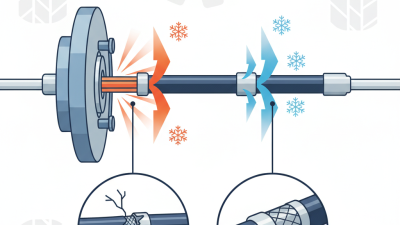
Brake hoses work in a harsh, moving environment. Heat, road salt, vibration, and hydraulic pressure attack them continuously. A three-layer rubber hose suits many daily vehicles and standard suspension layouts. Its inner rubber tube carries brake fluid, textile reinforcement controls expansion, and the outer cover resists moisture and abrasion.

SAE J1401 evaluates brake hose assemblies through pressure, whip, tensile-strength, and fluid-compatibility tests. These checks matter more than appearance.

Choose rubber when the hose follows the original routing and sees ordinary temperatures. Inspect it near the caliper, where repeated steering can create small cracks.

I once trusted a hose because its surface looked clean. That was careless. Flexing revealed damage near the crimp.

PTFE hoses, usually protected by braided metal, fit demanding conditions better. They offer low expansion, sharp pedal response, and strong resistance to many fluids and heat cycles. They can help on track vehicles, heavy-duty applications, or cars with modified suspension movement.

However, poor routing can make any hose fail. According to U.S. Federal Motor Vehicle Safety Standard 106, compliant assemblies must meet defined requirements for burst strength, whip resistance, dimensional stability, and fluid compatibility. Verify certification and fitting details, not just advertised pressure.

A 2024 aftermarket brake-components report also identifies heat resistance and durability as key purchasing factors, but real vehicle inspection remains essential.

Conditions decide the material.

Verify Pressure, Temperature, Flexing, and Abrasion Ratings

Choosing brake hoses requires more than matching thread size or overall length. The hose must suit the vehicle’s hydraulic pressure, heat, movement, and surroundings. Check the pressure rating against the highest system pressure, not normal pedal pressure. A suitable safety margin matters during emergency braking. Temperature ratings also deserve close attention. Hoses near calipers may face repeated heat cycles, especially on steep roads or during towing. Confirm continuous and peak temperature limits in reliable technical documentation. I once underestimated heat exposure during a routine inspection. The hose looked clean, but its outer cover had hardened near the wheel.

Flexing performance is equally important. A hose should bend with steering and suspension travel without twisting, kinking, or pulling at its fittings. Compare its length at full lock, full compression, and full extension. Abrasion resistance protects against brackets, tires, grit, and vibration. Check the routing by hand, then inspect it after a short road test. Look for polished rub marks, cracks, bulges, wetness, or displaced clips. Do not rely on appearance alone. A hose can pass a visual check and still fail a pressure or flexing requirement. Verify test methods, fitting compatibility, and service limits from dependable technical data. If details remain unclear, pause and consult a qualified technician. That extra step may prevent a small installation error from becoming a serious braking problem.

Confirm ISO 3996 Compatibility, Correct Routing, and Leak-Free Installation

How to Choose the Right Brake Hoses for Your Vehicle?

Confirm ISO 3996 compatibility before selecting a replacement brake hose. Check the certificate, dimensions, pressure rating, and fluid compatibility. Do not rely on appearance alone. A hose may look identical yet have different fittings or reinforcement. Compare thread types, end angles, length, and sealing surfaces with the vehicle’s original assembly.

Routing matters as much as material quality. Follow the factory path around suspension parts, steering joints, and hot components. Keep the hose away from sharp edges and moving wheels. Allow smooth movement through the full steering range. Never twist the hose during tightening. A gentle bend is safer than a tight loop. Inspect clamps and brackets for corrosion or looseness.

Clean sealing surfaces before installation. Use new sealing washers where required, then tighten fittings to the specified torque. Avoid guesswork. After installation, fill the system with the correct fluid and bleed it carefully. Hold firm pedal pressure while checking every connection for seepage. Then inspect again after a short, controlled road test. I have seen minor routing errors appear only when the suspension moved. That detail is easy to miss. A final inspection is worth the extra minute.