Why Are Brake Hoses Important for Vehicle Safety and Performance?
Brake hoses play a pivotal role in vehicle safety and performance. Dr. Emily Chang, a leading expert in automotive engineering, emphasizes, "Brake hoses are the lifeline of your braking system." This statement underscores their crucial function. Without reliable brake hoses, vehicles cannot stop efficiently.
These hoses endure pressure and extreme conditions. Over time, they can wear and become compromised. Issues like cracks or leaks can lead to brake failure. Regular inspections are essential for safe driving. Ignoring brake hose conditions can have dire consequences.
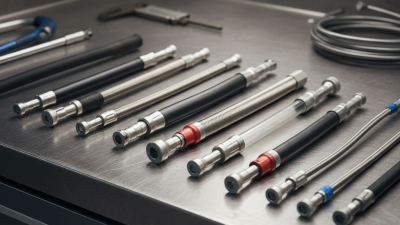
Moreover, not all brake hoses are created equal. The quality of materials and construction impacts performance. Experts often recommend using OEM parts for replacements. Aftermarket products may save money but might lack reliability. Vehicle owners must balance cost and safety. Investing in high-quality brake hoses is investing in safety and performance.
Understanding the Function of Brake Hoses in Vehicle Systems
Brake hoses play a critical role in vehicle safety and performance. They are part of the hydraulic braking system, transmitting fluid pressure from the master cylinder to the brake calipers. According to industry data, nearly 33% of vehicle accidents are linked to brake failure. This highlights the importance of maintaining the integrity of brake hoses.
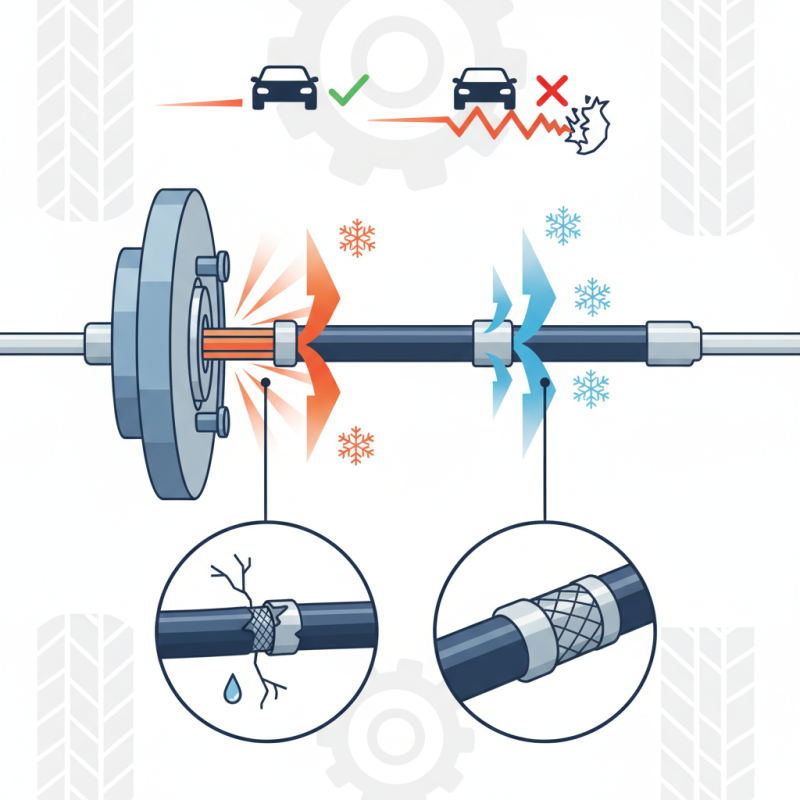
Brake hoses must withstand high pressure and extreme temperatures. They are usually made from rubber or reinforced materials. Over time, exposure to heat, moisture, and chemicals can degrade the hose. A report from the Automotive Research Council states that 75% of brake-related issues stem from faulty hoses. This emphasizes that regular inspections are essential for safe driving.
It’s concerning that many vehicle owners overlook brake hose maintenance. Signs of wear include cracks, bulges, or leaks in the hose. More than half of drivers admit to ignoring these warning signs. Staying informed about brake system components can significantly improve safety. Prioritizing brake hose checks is vital for vehicle reliability.
The Importance of Brake Hoses for Safety During Vehicle Operation
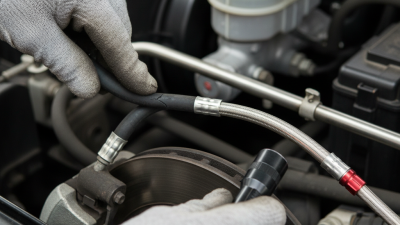
Brake hoses play a crucial role in vehicle safety. They transfer hydraulic fluid from the master cylinder to the brake calipers. This action activates the brakes when you press the pedal. If brake hoses fail, you may lose braking ability. That can lead to dangerous situations on the road.
The material of brake hoses is designed to withstand high pressure and various temperatures. Over time, these hoses can wear out. Cracks or bulges may form, indicating a need for replacement. Regular inspections help identify these issues early, but many drivers overlook this vital task. When neglected, it could jeopardize not just the driver but others on the road as well.
Drivers often take their brake systems for granted. However, understanding the importance of brake hoses is essential. A small leak can lead to major problems. This vulnerability can be a silent threat to overall vehicle performance. A proactive approach could save lives and ensure a safer driving experience.
Why Are Brake Hoses Important for Vehicle Safety and Performance?
| Dimension |
Importance |
Impact on Performance |
Recommended Maintenance |
| Material Quality |
Prevents leaks and ensures durability |
Consistent brake response |
Regular inspection and replacement as needed |
| Temperature Resistance |
Withstands heat generated during braking |
Prevents brake fade |
Check for cracks or signs of wear |
| Diameter and Length |
Ensures proper brake fluid flow |
Affects braking efficiency |
Follow manufacturer specifications |
| Connection Points |
Secure attachment to the vehicle |
Reduces risk of hose failure |
Inspect for corrosion or loosening |
| Flexibility |
Allows for vehicle motion and suspension movement |
Improves handling and control |
Check for stiffness or brittleness |
How Brake Hoses Affect Vehicle Performance and Handling
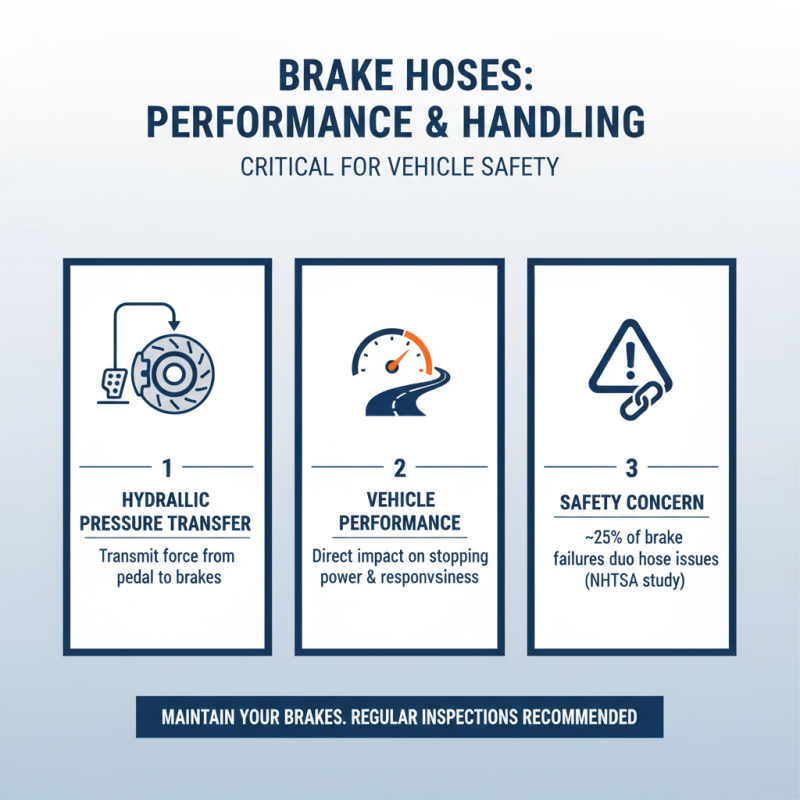
Brake hoses are critical for the overall performance and handling of a vehicle. They are responsible for transferring hydraulic pressure from the brake pedal to the brake components. A study by the National Highway Traffic Safety Administration (NHTSA) indicates that nearly 25% of vehicle brake failures are due to issues with the brake hoses. This highlights their importance in maintaining safety on the road.
When brake hoses deteriorate, performance suffers. For instance, if a hose becomes cracked or worn, it can’t properly transmit fluid, leading to reduced braking force. The Vehicle Service Pros reports that over 70% of vehicles with brake system issues show signs of hose degradation. Delayed stopping distances often result from this degradation, affecting overall vehicle handling. Drivers may notice a spongy brake feel or longer pedal travel—both indicators of potential failure.
Moreover, environmental factors can further impact hose performance. Extreme temperatures and humidity can accelerate wear, making regular inspections essential. Acknowledging the common misconception that brake hoses last the life of the vehicle, it's critical for drivers to address issues promptly. Many car manufacturers recommend replacing hoses at specific intervals, emphasizing the role of proper maintenance in ensuring safety and optimal performance.
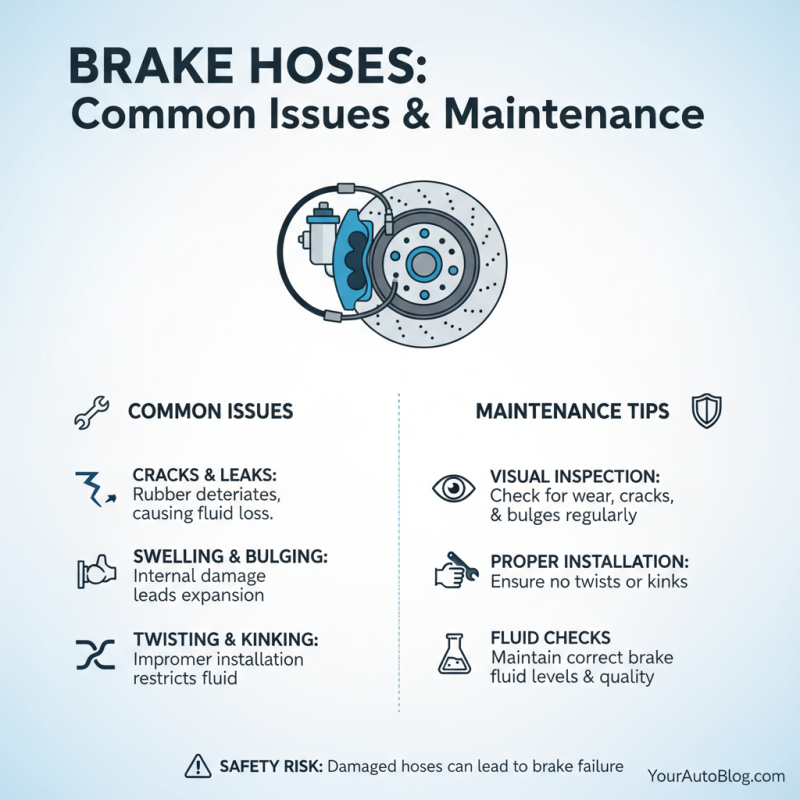
Common Issues and Maintenance Tips for Brake Hoses
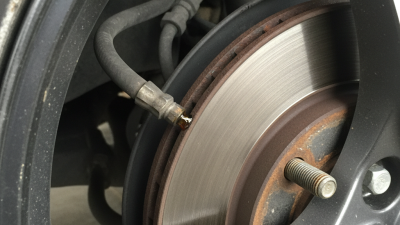
Brake hoses are essential components of a vehicle's braking system. They carry brake fluid from the master cylinder to the brake calipers. This transfer is crucial for effective braking. However, brake hoses can suffer from wear and tear. This deterioration can lead to brake failure, which poses serious safety risks.
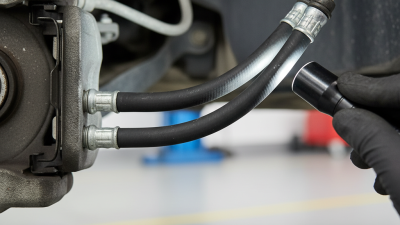
Regular inspections are vital. Look for any signs of abrasion or cracks on the hoses. These issues can develop unnoticed. If you find any damage, replace the hoses immediately. Pay attention to how the brakes feel. Spongy or soft brakes indicate a problem that might involve the hoses.
Maintenance tips can help prolong the life of your brake hoses. Regularly check for leaks or fluid stains. Clean the hoses to protect them from road debris. Consider replacing them every few years, even if they appear fine. This proactive approach prevents unexpected failures. It also ensures consistent performance, keeping you and others safe on the road.
Signs of Brake Hose Failure and When to Replace Them
Brake hoses play a critical role in a vehicle’s braking system. They transport brake fluid from the master cylinder to the brake calipers. When they wear out, they can jeopardize both safety and performance. According to industry reports, approximately 30% of automotive brake failures are linked to problems with brake hoses. Understanding the signs of brake hose failure can save lives.
Common indicators of brake hose deterioration include visible cracks or leaks. If you notice a spongy brake pedal, it’s a strong sign of potential hose failure. In some cases, hoses may swell or bubble, leading to inefficiency in brake response. Frequent inspections are necessary. The National Highway Traffic Safety Administration recommends checking brake hoses every two years or after significant mileage. Doing so can help identify the need for replacement before an accident occurs.
Regular maintenance is key, even for minor issues. Ignoring small leaks can lead to larger problems. A well-maintained brake system should not only function properly but also enhance your driving experience. While some drivers might overlook the hoses, doing so may increase the risk of brake failure. Ensuring your brake hoses are in good condition is an essential part of vehicle safety.