Top IATF 16949 Certification Benefits for Automotive Quality Management?
The automotive industry constantly evolves, pushing for higher quality standards. One such standard is IATF 16949. This international certification focuses on quality management systems specifically for automotive production. Companies that achieve this certification often find themselves at a competitive advantage.
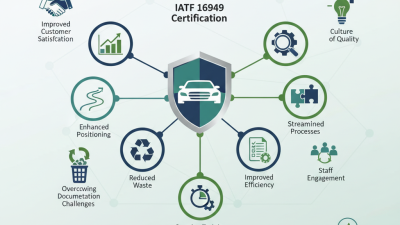
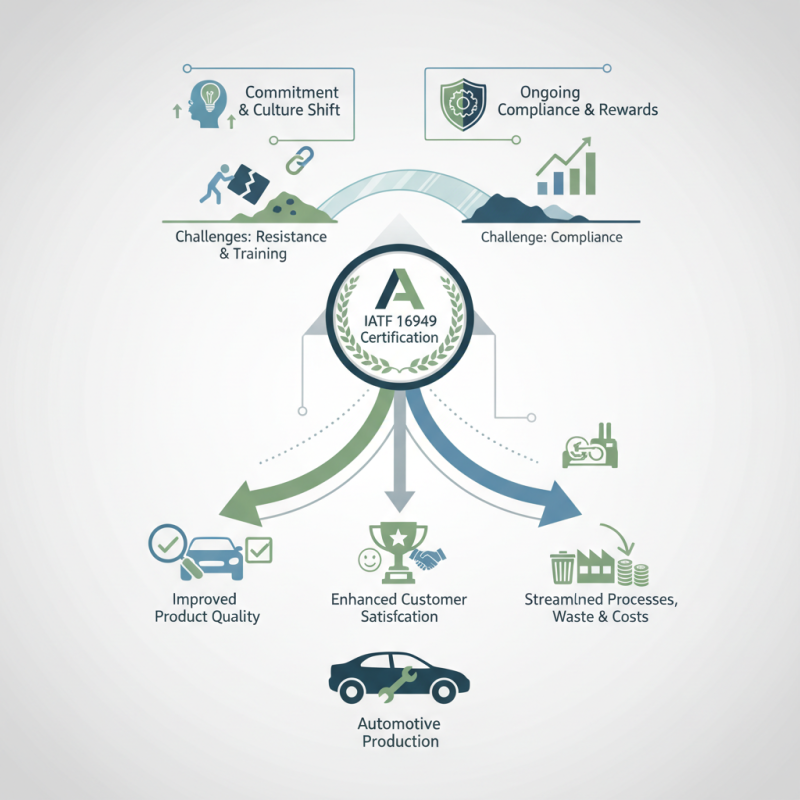
Implementing IATF 16949 can lead to numerous benefits. These include improved product quality, enhanced customer satisfaction, and streamlined processes. Such improvements may result in reduced waste and operational costs. However, achieving these goals requires commitment and a shift in organizational culture.
Many companies struggle to fully embrace the IATF 16949 principles. These challenges often stem from resistance to change or inadequate training. Not all organizations realize the importance of ongoing compliance and assessment. Nonetheless, for those willing to adapt, the rewards of IATF 16949 can be significant.
Understanding IATF 16949 Certification in Automotive Industry
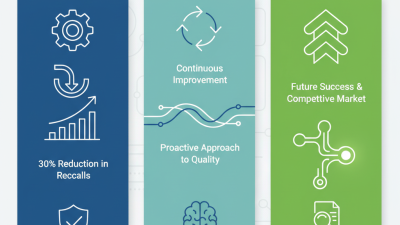
IATF 16949 certification plays a crucial role in the automotive industry. It establishes a quality management framework that encourages continuous improvement. This standard combines ISO 9001 principles with additional automotive-specific requirements. According to industry reports, companies with IATF 16949 certification can see a 30% reduction in defects and an increase in customer satisfaction. These metrics highlight the importance of quality management in building trust and enhancing brand reputation.
Achieving IATF 16949 certification can seem daunting, but the benefits are significant. Companies often report improved internal processes and better supplier relationships post-certification. It fosters a culture of quality and responsibility throughout the organization. However, the journey isn’t always smooth. Some businesses face challenges integrating these standards into daily operations. Continuous training and commitment to staff engagement are essential to overcoming these hurdles.
Tips: Regularly review your processes to identify bottlenecks. Engaging all levels of employees can yield unexpected insights. Documenting issues helps create a roadmap for improvement. Balancing certification goals with practical implementation will lead to a more sustainable quality management system.
Key Benefits of Implementing IATF 16949 for Quality Management
Implementing IATF 16949 certification offers numerous benefits for automotive quality management. This framework enhances product quality by establishing rigorous standards across the supply chain. It emphasizes continuous improvement and effective problem-solving. Organizations experience improved customer satisfaction through consistent, high-quality products.
Tips: Regular training for staff can reinforce the importance of quality management. Engaging all employees in the process fosters a culture of accountability.
Another benefit is the reduction of waste throughout production. By standardizing processes, organizations can identify inefficiencies. This not only cuts costs but also improves operational productivity. Organizations learn to respond more swiftly to market changes, ensuring they stay competitive.
Tips: Consider using data analytics for informed decision-making. It aids in identifying trends and potential areas for improvement.
Top IATF 16949 Certification Benefits for Automotive Quality Management
| Benefit |
Description |
Impact on Quality Management |
| Improved Customer Satisfaction |
Ensures product quality meets customer expectations. |
Leads to repeat business and enhanced reputation. |
| Streamlined Processes |
Standardizes processes for consistency and efficiency. |
Reduces waste and increases productivity. |
| Enhanced Risk Management |
Allows for identification and mitigation of risks early. |
Prevents defects and recalls, maintaining quality standards. |
| Regulatory Compliance |
Ensures adherence to automotive industry regulations and standards. |
Avoids penalties and reinforces organizational credibility. |
| Increased Efficiency |
Optimizes resource usage and minimizes operational costs. |
Maximizes profitability and competitiveness in the market. |
| Stronger Supplier Relationships |
Promotes collaboration and alignment in quality expectations. |
Enhances supply chain performance and product quality. |
Enhancing Customer Satisfaction Through IATF 16949 Standards
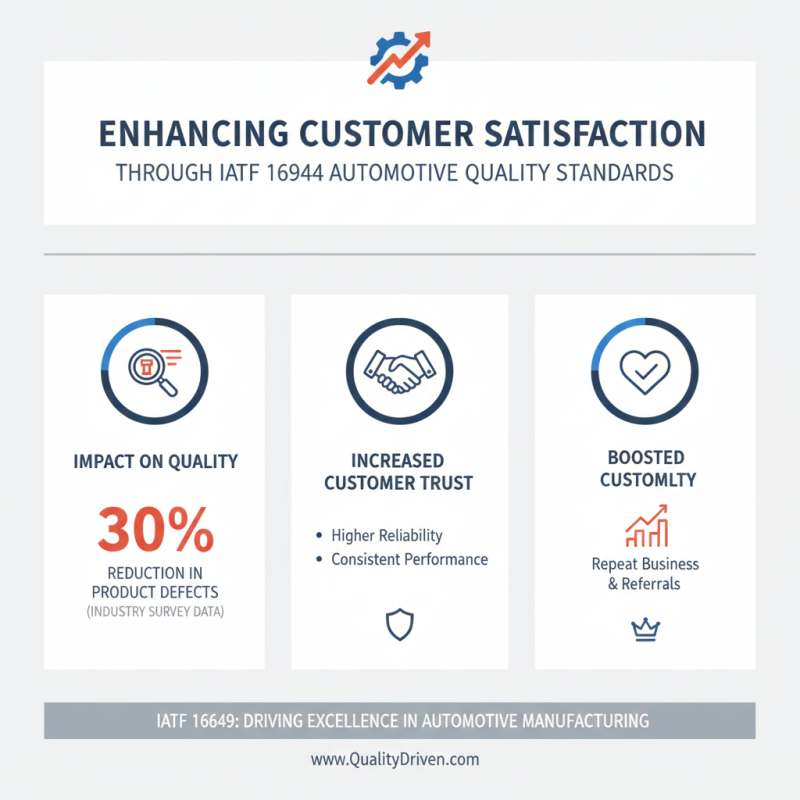
IATF 16949 standards dramatically enhance customer satisfaction within the automotive industry. According to a recent industry survey, companies implementing these standards experience a 30% reduction in product defects. This leads to increased trust and loyalty from customers, who value quality and reliability.
The standards emphasize continuous improvement and process efficiency. By adopting these principles, automotive manufacturers can align their practices with customer expectations. Effective quality management results in fewer recalls and reduced warranty claims, which can cost companies millions annually. For instance, research shows that companies with robust quality management systems achieve an average customer retention rate of 95%.
However, the journey is not without challenges. Organizations may struggle with initial implementation costs and employee training. A significant percentage of firms report difficulties in adapting to new processes. This can hinder potential benefits. Critical reflection on these areas is essential for continuous growth. Striving for high customer satisfaction requires ongoing commitment to quality standards and addressing shortcomings within the management processes. Through IATF 16949, companies are urged to continually reevaluate their impact on customer experience.
Streamlining Processes and Reducing Waste with IATF 16949
The IATF 16949 certification significantly enhances quality management in the automotive industry by streamlining processes. Organizations often struggle with inefficient workflows. These inefficiencies lead to increased waste and operational delays. With IATF 16949, companies can identify weak points in their processes. They can implement corrective actions to minimize these issues.
Implementing a standardized quality management system under IATF 16949 leads to better alignment across teams. Communication often lacks clarity, hindering productivity. This certification encourages a shared understanding of quality expectations. Teams can collaborate more effectively when everyone is on the same page. Yet, some organizations might face resistance during this transition. Employees may be reluctant to adopt new practices. Continuous training and support are essential to overcome these hurdles.
Moreover, reducing waste is a primary focus of IATF 16949. By employing methods like root cause analysis, organizations can pinpoint sources of excess. In practice, this might require a shift in mindset and behavior. Teams may need to confront uncomfortable truths about their processes. A commitment to continuous improvement will ultimately yield long-term benefits.
Top IATF 16949 Certification Benefits for Automotive Quality Management
Improving Competitive Advantage with IATF 16949 Certification
Achieving IATF 16949 certification can significantly enhance an automotive company's competitive edge. This standard is crucial for ensuring effective quality management. It emphasizes defect prevention and reducing variation in the supply chain. By adopting these practices, organizations are better equipped to meet customer expectations.
When companies implement IATF 16949, they often notice improvements in operational efficiency. Streamlined processes lead to cost reductions. However, achieving this certification requires a commitment to continuous improvement.
Companies might struggle initially with changes in their practices. Some employees may resist new protocols, causing temporary disruptions. This reflects the real challenge of transforming established behaviors.
The certification also boosts credibility among stakeholders. Customers tend to prefer companies with recognized quality assurance. This can lead to increased sales and market share over time. Yet, organizations must remain vigilant. Without ongoing effort, complacency can set in.
Regular reviews and audits are necessary to maintain standards. This ongoing commitment makes a tangible difference in sustaining the competitive advantage.