What is IATF 16949 Certification and Why is it Important?
IATF 16949 certification is a pivotal standard in the automotive industry, streamlining quality management systems. According to Dr. Emily Chen, a leading expert in automotive quality assurance, “Achieving IATF 16949 certification not only enhances efficiency but also fosters a culture of continuous improvement.” Her insights emphasize the certification's importance in maintaining high standards.
This certification is essential for organizations aiming for global competitiveness. It enables manufacturers to meet customer expectations effectively. In an industry where precision is crucial, IATF 16949 serves as a benchmark for quality. Companies that adopt this standard often witness improved processes and reduced waste.
However, the journey to certification can be challenging. It demands dedication, resources, and a robust quality management system. Organizations may struggle with compliance requirements or employee training. Reflecting on these challenges is vital, as they shape both industry standards and company growth in the long run.

What is IATF 16949 Certification?
IATF 16949 certification is a crucial standard for the automotive industry. It focuses on quality management. This certification ensures consistent quality in products and services. Organizations pursuing this certification must adhere to specific requirements. These aim to enhance customer satisfaction throughout the supply chain.
Achieving IATF 16949 status involves rigorous audits and evaluations. Companies must demonstrate their ability to provide products that meet customer and regulatory demands. This process can be challenging. Many organizations face difficulties in maintaining compliance. It's essential to foster a culture of continuous improvement. Without this mindset, companies may struggle to implement effective quality management practices.
Moreover, IATF 16949 certification provides a competitive edge. It signals to customers and stakeholders that a company's processes are robust. However, the journey does not end with certification. Organizations must remain vigilant and open to feedback. Learning from past audits can help refine quality processes. Embracing change is key to long-term success.
IATF 16949 Certification Importance Analysis
Key Requirements of IATF 16949 Certification
IATF 16949 certification is vital for automotive quality management. It emphasizes effective processes, ensuring top-notch product quality. Companies pursuing certification must meet rigorous standards set by the International Automotive Task Force. This is not just a formality; it’s a competitive advantage.
Key requirements include a strong focus on customer satisfaction. Companies must demonstrate consistency and improvement in their production processes. Another key aspect is risk management. Identifying and mitigating potential risks can prevent costly defects later. Additionally, employee training plays a crucial role. Well-trained staff are essential for compliance and quality assurance.
Documentation is another requirement that cannot be overlooked. Clear records of processes and decisions must be maintained. This transparency helps in audits and improves overall accountability. However, there can be challenges in adapting to these requirements. Companies might struggle with the cultural shift needed for effective implementation. Addressing these issues is essential for long-term success.
What is IATF 16949 Certification and Why is it Important? - Key Requirements of IATF 16949 Certification
| Requirement |
Description |
Importance |
| Customer Focus |
Understanding and meeting customer requirements to enhance satisfaction. |
Drives continuous improvement and retention of customers. |
| Leadership |
Top management's commitment to quality and providing direction. |
Ensures alignment of the organization's goals with customer needs. |
| Process Approach |
Managing activities as interconnected processes to improve efficiency. |
Enhances process consistency and results in better output. |
| Risk Management |
Identifying and mitigating risks related to product quality. |
Prevents failures and enhances reliability of products. |
| Continuous Improvement |
Ongoing efforts to improve products, services, or processes. |
Ensures the organization remains competitive and meets changing demands. |
| Supplier Management |
Evaluating and monitoring suppliers for quality assurance. |
Maintains the integrity of the supply chain and product quality. |
The Importance of IATF 16949 in the Automotive Industry
IATF 16949 certification plays a critical role in the automotive industry. This standard sets a framework for quality management systems. It ensures consistent quality in automotive production and services. Companies that achieve this certification demonstrate their commitment to excellence.
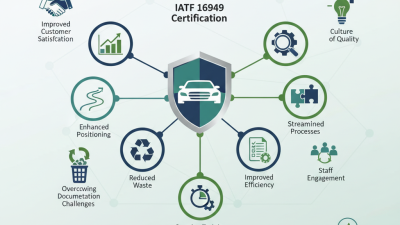
Moreover, IATF 16949 helps streamline processes. It emphasizes continuous improvement and customer satisfaction. Many manufacturers find it challenging to meet all requirements. Complex supply chains can complicate compliance. However, certified organizations can gain a competitive edge. They benefit from reduced waste and improved efficiency.
Adopting IATF 16949 can boost industry credibility. It shows a company meets global standards. However, not every organization embraces the certification easily. Some struggle with the rigorous audits and documentation. The journey requires dedication and a willingness to adapt. In the long run, businesses often realize the benefits outweigh the challenges.
Benefits of Achieving IATF 16949 Certification
IATF 16949 certification is crucial for organizations in the automotive industry. Achieving this certification demonstrates a commitment to quality management. It enhances customer satisfaction through improved processes and products. This standard focuses on continuous improvement and risk management. Organizations often find this critical for maintaining competitive advantages.
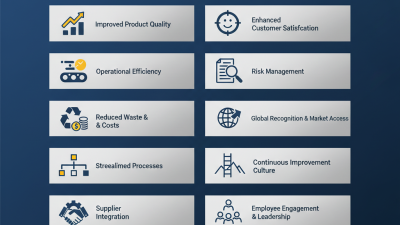
The benefits of IATF 16949 certification are significant. It leads to enhanced operational efficiency. Streamlined processes reduce waste and save costs. Employees often feel more engaged, knowing they are part of a quality-driven environment. There is also increased trust among suppliers and customers. However, achieving this certification requires constant evaluation and adjustments.
Some businesses struggle to maintain the standards after certification. This drop can lead to quality issues over time. Regular audits and training are necessary to uphold the benefits. Continuous commitment is key. Organizations must embrace a culture of improvement. This can be challenging but ultimately shapes a robust quality management system.
Steps to Obtain IATF 16949 Certification
Achieving IATF 16949 certification involves a systematic process that enhances
quality management in the automotive industry. Organizations must start by assessing their
current quality management systems against the IATF standards. A gap analysis helps
identify weak spots in policies and practices. Reports suggest that companies with certified
quality systems can improve customer satisfaction by up to 20%.
Next, organizations need to develop a project plan
to close these gaps. This plan should include training for employees at all levels. Effective
training fosters a culture of quality. Data shows that companies investing in quality training observe
a 15% reduction in defects. Incorporating feedback during this phase ensures the implementation
process is adaptable and responsive.
After gap closure, organizations will undergo a formal audit by a recognized certification body.
This step involves rigorous examination of processes and documentation. Achieving IATF 16949 certification
not only demonstrates commitment to quality but also positions companies competitively in the global market.
However, maintaining compliance requires continuous improvement
and regular internal audits. Any lapses can lead to loss of certification. Emphasizing a
proactive approach to quality management is crucial for enduring success.