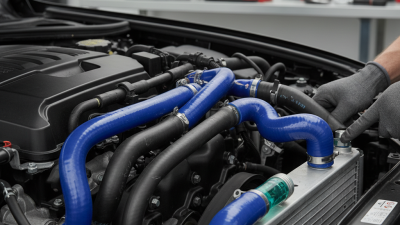
The global vehicle population keeps coolant-system components relevant, despite rapid electrification. OICA reported 93.5 million new motor vehicles produced worldwide in 2023. Many remain dependent on liquid cooling and durable hose assemblies. This makes selecting reliable car coolant hoses a practical sourcing decision, not merely a price comparison. Industry research from Grand View Research also links automotive coolant demand with vehicle production, replacement cycles, and thermal-management requirements. Conditions vary sharply. A hose operating in Dubai may face intense heat, while one in northern Europe must withstand freezing temperatures and road salt.
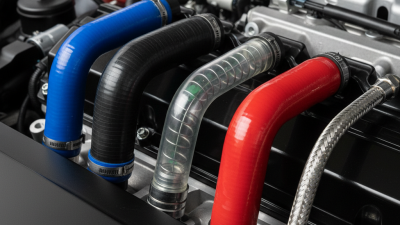
Material choice matters. EPDM remains common for conventional coolant circuits because it resists heat, water, and glycol-based fluids. Silicone hoses can offer broader temperature performance, but they may cost more and require careful clamp selection. SAE J20 provides a useful reference for automotive coolant hose performance, while ASTM D3306 helps buyers assess compatible engine coolants. These standards do not replace application testing.
A useful top-ten list should examine pressure ratings, inner-wall quality, bend stability, reinforcement, dimensional accuracy, and warranty evidence. It should also consider packaging and traceability. A hose that looks perfect can still fail after repeated hot-cold cycles. That detail is easy to overlook.
No ranking is perfect. Supplier data can be incomplete, and regional specifications differ. The following selection therefore combines documented standards, practical workshop experience, manufacturer transparency, and suitability across global climates. Buyers should verify fitment, coolant compatibility, and testing records before placing large orders.
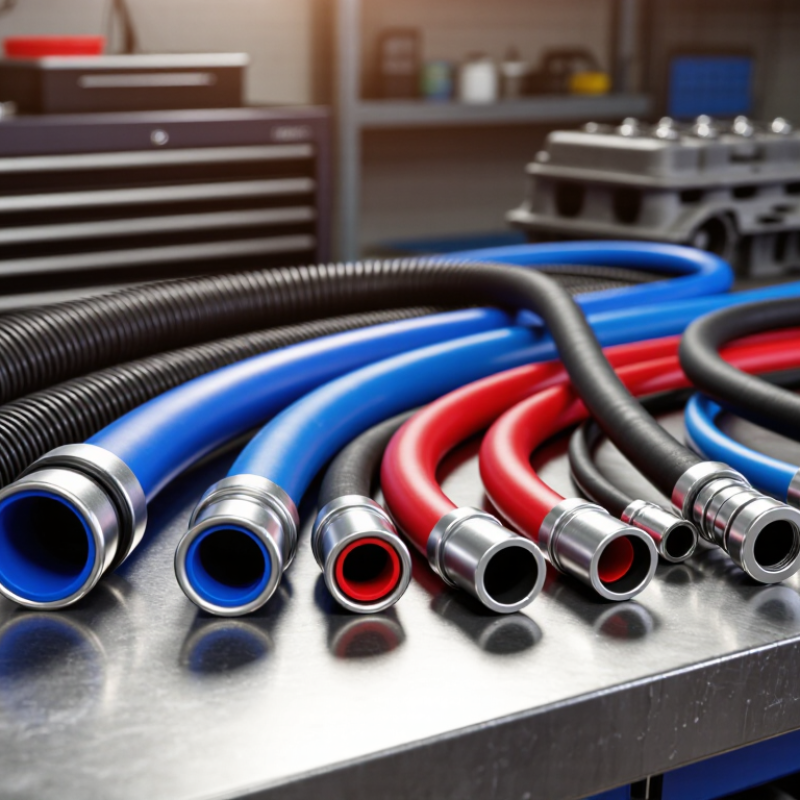
EPDM remains the practical baseline for many coolant systems. It handles hot water, glycol mixtures, ozone, and road exposure well. SAE J20 testing commonly evaluates hoses around 125°C, while higher-temperature classes reach 150°C. That difference matters near turbochargers and compact engine bays. EPDM is usually cost-effective, but it is not suitable for continuous contact with petroleum oils. A small oil leak can soften its inner wall.
Silicone hoses offer wider temperature tolerance and better flexibility during repeated heat cycles. They are useful for racing systems, modified vehicles, and demanding engine compartments. However, silicone can allow greater fluid permeation than EPDM. That weakness is often overlooked. A 2024 automotive hose market analysis reported steady growth in high-temperature silicone demand, linked to turbocharged engines and electrification. Market estimates vary, so buyers should treat forecasts as directional rather than absolute.
Fluorosilicone adds a protective inner layer for fuel vapor, oil mist, and aggressive fluids. It is often selected for charge-air or specialized coolant assemblies, not every radiator connection. ASTM D2000 helps engineers compare rubber performance through heat, aging, and fluid-resistance requirements. For global buyers, verify hose ID, wall thickness, bend radius, pressure rating, and coolant compatibility. Measure twice. I have seen technically strong hoses fail because clamps cut into undersized ends. Material choice is only half the decision.
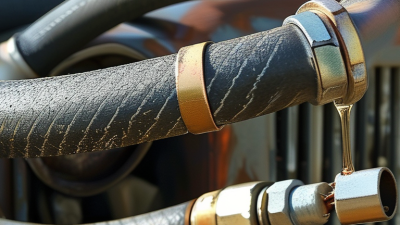
For global buyers, coolant hose quality begins with verifiable standards, not attractive packaging. SAE J20 defines performance expectations for automotive coolant and heater hoses. It covers construction, pressure resistance, flexibility, and aging behavior. These details matter beside a hot engine, where a weak hose can soften, swell, or crack.
EPDM Material and Temperature Ratings EPDM is widely used because it tolerates glycol-based coolants, ozone, and changing temperatures. ISO 1629 identifies EPDM rubber by its polymer composition; it is not a complete hose-performance standard. A −40°C to 150°C rating describes the intended service range, but buyers should check whether it applies continuously, intermittently, or only during testing. Ratings can be misunderstood.
In workshop inspections, I look for smooth inner walls, consistent reinforcement, firm bends, and clean molded ends. Measure twice. A hose that fits the diameter may still fail at the clamp or rub against a pulley.
SAE J20 compliance should be supported by test records or supplier documentation, not a printed claim alone. Ask about burst pressure, coolant compatibility, vacuum resistance, and aging results. I have seen hoses with excellent flexibility fail early after incorrect clamping. That lesson is easy to miss.
For a top-ten comparison, rank proven temperature stability and dimensional accuracy above low price. Also inspect storage conditions, because years of heat and sunlight can reduce rubber performance before installation.
Top 10 Car Coolant Hoses for Global Buyers?
Ranking the Top 10: Fitment, ID/OD, Burst Pressure, and Flexibility
A useful top-ten ranking starts with fitment, not appearance. Check the vehicle year, engine code, outlet angle, and clamp position. Measure the inner diameter at both connections. A 1 mm mismatch can cause leaks or clamp distortion. Confirm the outer diameter when space near belts or fans is limited. SAE J20 requirements cover coolant-hose construction and temperature performance. Many common constructions support continuous service near 125°C, but exact ratings vary by hose class.
Burst pressure deserves careful attention. Do not treat a high number as automatic quality. Compare working pressure, burst pressure, wall thickness, and safety margin from the test sheet. ASTM D380 provides recognized rubber-hose testing procedures, including hydrostatic pressure evaluation. Flexibility also matters in crowded engine bays. A hose should bend smoothly, without flattening, whitening, or twisting. In practice, a slightly softer hose may fit better, yet it may resist abrasion less effectively. That trade-off is easy to miss.
Tips: Keep the old hose beside the replacement. Match ID, OD, length, bend angle, and reinforcement marks. Inspect the sealing lip for cuts. Use the supplier’s temperature and pressure data, not a marketplace photograph. Global buyers should also request metric dimensions and independent test records. The “perfect” universal hose is rarely perfect. Recheck the fitment before installation.
Global purchasing starts with process evidence, not attractive packaging. IATF 16949 certification shows that a supplier controls automotive quality risks through documented processes. Ask for the valid certificate, scope, audit status, and manufacturing site. A certificate alone is not enough. Production-part approval records, batch numbers, and change-control history should match the supplied hose.
Chemical compliance requires equal attention. The European Chemicals Agency’s Candidate List contained 247 substances by June 2025. Ask for a current REACH declaration, material composition, and supplier statements for rubber, reinforcement, and fittings. EU RoHS restricts ten substances, including lead, mercury, and certain flame retardants. Coolant hoses may not always fall under electrical-product rules, but connected assemblies can create uncertainty. Clarify the product’s legal scope.
Testing must be traceable. Each report should identify the formulation, batch, test date, laboratory, method, and acceptance criteria. Useful checks include burst pressure, heat aging, ozone resistance, coolant compatibility, and dimensional recovery. SAE and ISO test methods can improve comparison, but buyers should confirm the exact revision. Real factory experience shows a common weakness: reports sometimes describe a similar compound, not the shipped batch. That gap is easy to miss. It should not be. Supplier audits, retained samples, and independent verification add confidence, although even these controls need periodic review.
Global buyers comparing the top ten car coolant hoses should study service data, not appearance alone. A hose can feel firm and still hide internal cracking. In workshop inspections, I check temperature exposure, coolant compatibility, wall thickness, and bend radius. These details often separate a dependable hose from a short-lived replacement.
Measure the available route with the engine cold. The hose must not bend below its stated minimum radius. Never force a tight turn. A flattened curve restricts coolant flow and creates stress near the fitting. Leave enough clearance from belts, pulleys, exhaust parts, and sharp brackets. Position clamps behind the bead, not on its edge. Tighten them with a calibrated torque tool when the specification is available. Excessive torque can cut the rubber. Low torque can allow seepage after heat cycles. A dry connection is not proof of correct installation.
Plan checks at four to five years, or earlier under heavy heat, vibration, or frequent driving. Look for swelling, surface cracks, soft spots, coolant stains, and clamp movement. Squeeze the hose only when the system is cold. I once found a nearly new hose rubbing against a bracket because the original routing was copied too quickly. That mistake was preventable. Age-based replacement is useful, but it is not perfect. Record the installation date, coolant type, clamp torque, and inspection findings. These simple notes help technicians compare changes instead of relying on memory.
| Rank | Hose Type | Typical Vehicle Application | Common Material | Typical Internal Diameter | Recommended Minimum Bend Radius* | Typical Operating Temperature | Typical Coolant Pressure Range | Clamp Type | Typical Clamp Torque† | Installation Guidance | 4–5-Year Service Check |
|---|---|---|---|---|---|---|---|---|---|---|---|
| 1 | Upper Radiator Hose | Engine water outlet to radiator inlet; high-temperature circuit | EPDM rubber with reinforced textile layers | 25–45 mm | Approximately 1.5 × outside diameter | −40 to 135°C continuous; short exposure may be higher | Usually 0.8–1.5 bar above atmospheric pressure | Constant-tension spring or worm-drive clamp | Spring clamp: no torque setting; worm-drive: 3–5 N·m | Install only after the engine and coolant are cool. Seat the hose behind the bead on both fittings and avoid twisting. | Inspect for soft spots, surface cracks, oil contamination, swelling near the clamp, and loss of elasticity. |
| 2 | Lower Radiator Hose | Radiator outlet to water pump inlet; suction-side circuit | Oil-resistant EPDM with spiral or textile reinforcement | 28–50 mm | Approximately 2.0 × outside diameter | −40 to 135°C continuous | Usually 0.8–1.5 bar above atmospheric pressure | Constant-tension spring clamp, heavy-duty spring clamp, or worm-drive clamp | Spring clamp: no torque setting; worm-drive: 3–5 N·m | Check that the hose does not collapse under water-pump suction. Keep it clear of belts, pulleys, fans, and sharp brackets. | Check for flattening, kinks, rubbing marks, internal delamination, and dampness around the water-pump connection. |
| 3 | Heater Inlet Hose | Cylinder head or coolant outlet to heater-core inlet | EPDM rubber with textile reinforcement | 16–22 mm | Approximately 1.5 × outside diameter | −40 to 125°C continuous | Typically 0.5–1.2 bar above atmospheric pressure | Spring clamp or worm-drive clamp | Spring clamp: no torque setting; worm-drive: 2.5–4 N·m | Route with gradual bends and provide clearance from exhaust components. Do not force a straight hose into a tight bend. | Look for hardening, heater-core connection leaks, coolant staining, and reduced cabin-heater flow caused by hose restriction. |
| 4 | Heater Return Hose | Heater-core outlet to water pump or coolant return line | EPDM rubber or silicone-compatible coolant hose | 16–22 mm | Approximately 1.5 × outside diameter | −40 to 125°C continuous | Typically 0.5–1.2 bar above atmospheric pressure | Spring clamp or constant-tension clamp | Spring clamp: no torque setting; worm-drive: 2.5–4 N·m | Confirm the flow direction where a molded or formed hose is used. Do not substitute a universal hose if the original has a formed bend. | Inspect the firewall connections, hose ends, and areas hidden beneath protective sleeves for seepage or cracking. |
| 5 | Thermostat Bypass Hose | Short bypass circuit between thermostat housing, cylinder head, or water pump | High-temperature EPDM, often molded | 16–32 mm | Approximately 1.5 × outside diameter | −40 to 135°C continuous | Typically 0.8–1.5 bar above atmospheric pressure | Spring clamp or narrow-band clamp | Spring clamp: no torque setting; worm-drive: 2.5–4 N·m | Replace with the correct molded shape where possible. A kinked bypass hose can restrict warm-up circulation and promote localized overheating. | Check for distortion, internal collapse, hardened ends, and leaks around the thermostat housing. |
| 6 | Expansion Tank Hose | Radiator or engine circuit to the coolant expansion reservoir | EPDM or heat-resistant rubber with textile reinforcement | 8–16 mm | Approximately 1.5 × outside diameter | −40 to 125°C continuous | Low-pressure recovery or degassing line | Small spring clamp or fuel-injection-style clamp | Spring clamp: no torque setting; screw clamp: 1.5–3 N·m | Keep the hose continuously rising where required by the vehicle design and prevent sharp bends that can block coolant recovery. | Check for blockage, pinching, brittle hose walls, reservoir-neck cracks, and dried coolant deposits at the ends. |
| 7 | Coolant Degas or Bleed Hose | High points of the cylinder head or radiator to the expansion tank | Small-bore EPDM or heat-resistant thermoplastic rubber | 6–12 mm | Approximately 2.0 × outside diameter | −40 to 125°C continuous | Low-pressure vent and air-removal circuit | Spring clamp or ear clamp | Spring clamp: no torque setting; ear clamp: crimp-only installation | Never obstruct the line with sealant or an incorrectly positioned clamp. Bleed air according to the vehicle service procedure. | Check for restricted flow, air-lock symptoms, pinholes, and white or colored residue around the fittings. |
| 8 | Turbocharger Coolant Hose | Turbocharger bearing-housing coolant supply or return circuit | High-temperature EPDM, silicone, or fluorocarbon-lined construction | 8–19 mm | Approximately 2.0 × outside diameter | −40 to 150°C, depending on construction | Typically 1.0–2.0 bar above atmospheric pressure | Constant-tension spring clamp or high-temperature screw clamp | Spring clamp: no torque setting; screw clamp: 2.5–4 N·m | Allow the turbocharger area to cool fully before service. Maintain heat shielding and keep the hose away from turbine and exhaust surfaces. | Inspect for heat hardening, blistering, oil contamination, discoloration, and leaks that appear only after heat soak. |
| 9 | Transmission Oil Cooler Coolant Hose | Engine-coolant lines connected to an integrated transmission oil cooler | EPDM or oil-resistant multi-layer coolant hose | 10–19 mm | Approximately 1.5–2.0 × outside diameter | −40 to 135°C continuous | Typically 0.8–1.5 bar above atmospheric pressure | Spring clamp, constant-tension clamp, or quick-connect fitting | Spring clamp: no torque setting; worm-drive: 2.5–4 N·m | Verify that the hose is rated for both coolant exposure and nearby oil or transmission-fluid contamination. Replace damaged retaining clips. | Check for cross-contamination, softened hose walls, connector seal damage, and coolant loss near the transmission casing. |
| 10 | Engine Oil Cooler Coolant Hose | Coolant supply and return lines for a liquid-to-liquid engine oil cooler | Reinforced EPDM or multi-layer heat-resistant rubber | 12–25 mm | Approximately 1.5–2.0 × outside diameter | −40 to 135°C continuous | Typically 0.8–1.5 bar above atmospheric pressure | Constant-tension spring clamp or heavy-duty screw clamp | Spring clamp: no torque setting; worm-drive: 3–5 N·m | Support long runs to prevent vibration fatigue. Keep the hose away from oil-filter housings, exhaust heat, and moving engine components. | Inspect for oil swelling, abrasion, clamp imprinting, hardening, and any evidence of coolant-oil mixing. |