Top 10 Automotive Fluid Lines You Need to Know About?
Understanding automotive fluid lines is essential for anyone interested in vehicle maintenance and repair. These lines play a crucial role in the performance and safety of any automobile. From brakes to power steering, each line is designed to transport vital fluids efficiently. Knowledge of automotive fluid lines can help you diagnose issues and maintain your vehicle better.
Many car owners overlook these components. Failing to understand their significance can lead to costly repairs and unsafe driving conditions. For example, a leak in the brake lines can result in complete brake failure. Familiarizing yourself with the top 10 automotive fluid lines can empower you to address problems early.
In this article, we will delve into the different types of automotive fluid lines. We’ll look at their functions, common issues, and maintenance tips. Awareness of these details enables you to keep your vehicle in optimal condition. This understanding is not just valuable for mechanics but for every car owner aiming for reliability and safety on the road.
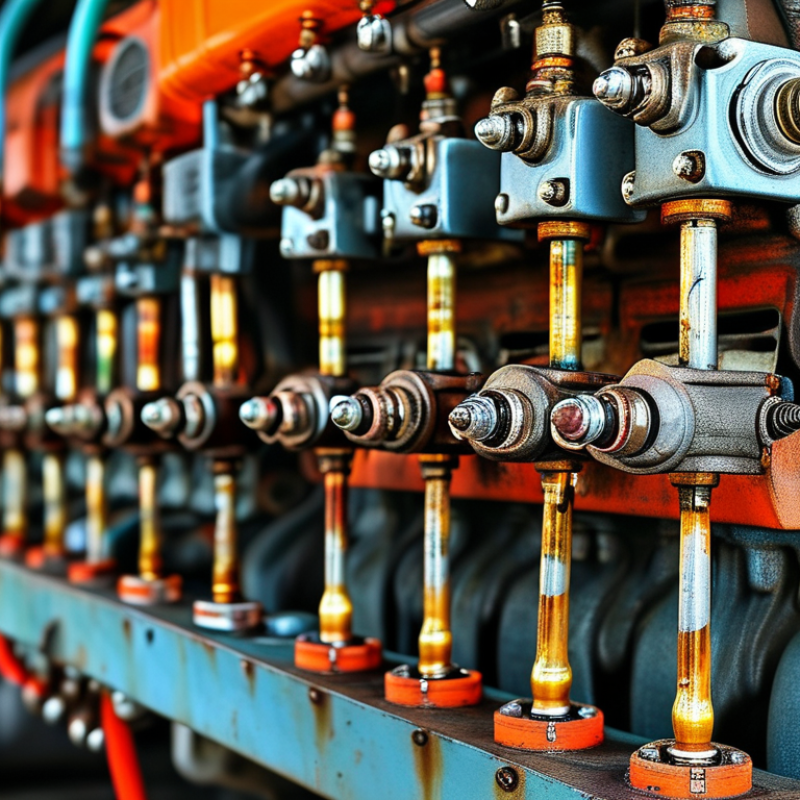
Top 10 Automotive Fluid Lines: A Comprehensive Overview
Automotive fluid lines are crucial to vehicle performance. They transport essential fluids such as oil, coolant, and brake fluid. Inadequate maintenance can lead to failure, resulting in costly repairs. According to the National Institute for Automotive Service Excellence (ASE), nearly 30% of vehicle breakdowns stem from fluid leaks or failures.
Understanding these fluid lines is essential for both novice and experienced drivers. Fuel lines affect engine performance. They should be checked regularly for leaks or cracks. Brake lines must be robust, as they ensure safety. A study from the Society of Automotive Engineers (SAE) indicates that compromised brake lines contribute to 20% of serious accidents.
Cooling lines help regulate engine temperature. If these fail, overheating can occur, leading to engine damage. Additionally, transmission lines are pivotal for shifting gears smoothly. Regular inspections can identify wear and tear. It's not enough to rely solely on professionals; car owners must educate themselves about these systems. Fluid line maintenance could prevent major issues, but many overlook this essential aspect of vehicle care.
Importance of Fluid Lines in Engine Performance and Efficiency
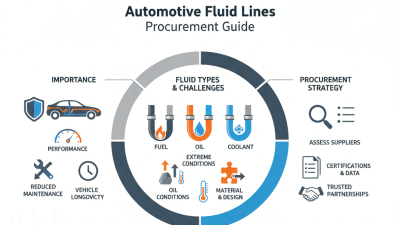
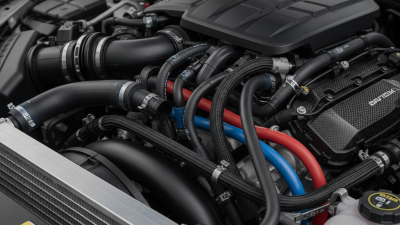
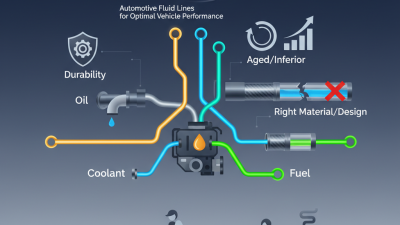
Fluid lines play a crucial role in vehicle engine performance and efficiency. They transport a variety of vital fluids, including oil, coolant, and fuel. Each fluid line must maintain its integrity under various conditions. A minor leak can lead to significant engine damage. It's vital to inspect these lines regularly.
The efficiency of an engine is often linked to the condition of its fluid lines. Restricted or damaged lines can decrease performance. For instance, if fuel lines become clogged, it can affect fuel delivery. This, in turn, hinders engine power and might increase emissions.
Understanding the materials used in fluid lines is essential. These lines are designed to withstand pressure and temperature variations. Rubber, nylon, and metal are commonly used. Each material has its pros and cons. It's worth noting that regular maintenance is often overlooked. Neglect can lead to costly repairs and decreased efficiency over time. Keep an eye on the condition of your vehicle's fluid lines. Regular checks can enhance performance and prolong engine life.
Common Types of Automotive Fluid Lines and Their Functions
Automotive fluid lines are vital components in any vehicle. They transport various fluids, ensuring everything runs smoothly. Understanding these lines can prevent issues and enhance vehicle reliability.
One common type is the brake line, crucial for safety. These lines carry brake fluid from the master cylinder to each wheel. A leak or damage can lead to brake failure, which can be catastrophic. Regular checks are essential, as even a small crack can compromise the entire braking system.
Another important line is the fuel line. It conveys fuel from the tank to the engine. Any leaks can lead to fires or engine failure. Mechanics often inspect these lines for wear. It's worth noting that older vehicles may have more issues due to corrosion. Regular maintenance can prolong the life of all fluid lines. Understanding their functions is key for every vehicle owner.
Material Considerations: Choosing the Right Hose for Durability
Choosing the right hose materials is crucial for automotive fluid lines. Different applications demand unique properties. For instance, rubber hoses withstand heat and pressure well. However, they may degrade over time due to exposure to oil or chemicals. In contrast, PTFE (Polytetrafluoroethylene) hoses resist those issues. They are excellent for high-temp operations, which can reach up to 300°F.
Another consideration is reinforcement. Some hoses use braided stainless steel for added strength. This helps in high-pressure environments, which can exceed 2,000 psi. Unfortunately, not all hoses meet these requirements. A recent industry study highlighted that nearly 20% of hoses failed in testing scenarios.
Durability also hinges on the environment. Hoses exposed to UV rays or ozone require special materials, like silicone. These options can extend the lifespan significantly. However, they might not perform well under harsh mechanical stress. Evaluating the right material calls for a balance. Consider the specific application needs while assessing the potential trade-offs.
Top 10 Automotive Fluid Lines You Need to Know About
| Type of Fluid Line |
Material |
Temperature Range (°C) |
Pressure Rating (psi) |
Typical Use |
| Fuel Line |
Nylon |
-40 to 100 |
50-100 |
Fuel delivery in gasoline vehicles |
| Brake Line |
Copper |
-40 to 150 |
1200-3000 |
Hydraulic brake systems |
| Coolant Hose |
Silicone |
-40 to 180 |
50-100 |
Cooling systems |
| Power Steering Hose |
Rubber |
-40 to 120 |
1500-2500 |
Power steering systems |
| Transmission Line |
Steel |
-40 to 150 |
150-300 |
Transmission fluid transfer |
| Air Conditioning Hose |
Thermoplastic |
-20 to 60 |
300-500 |
AC systems |
| Windshield Washer Hose |
PVC |
-30 to 80 |
50-100 |
Windshield washer systems |
| Oil Cooler Line |
Braided Stainless Steel |
-40 to 180 |
3000-5000 |
Engine oil cooling |
| Fuel Return Line |
Nylon |
-40 to 100 |
50-100 |
Fuel return in diesel vehicles |
| Radiator Hose |
Rubber |
-40 to 120 |
50-100 |
Radiator connections |
Maintenance Tips and Best Practices for Automotive Fluid Lines
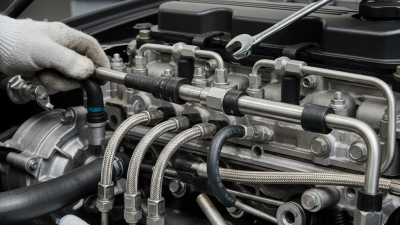
Maintaining automotive fluid lines is crucial for vehicle longevity. Regular inspections can help catch wear and leaks early. Focusing on the brake lines, fuel lines, and coolant hoses is essential. These components face constant pressure and heat fluctuations. Over time, they can degrade, leading to performance issues and safety risks. Look for concerning signs like cracks or discoloration.
Flushing and replacing fluids can also enhance line performance. Fluid degradation can cause blockages. This results in inefficient operation and potential overheating. Performing these maintenance tasks at recommended intervals ensures optimal functioning. Using the correct fluid type is equally vital. Mismatched fluids can lead to corrosion, damaging the lines over time.
While self-checks are helpful, professional assessments add value. Mechanics can spot issues that may go unnoticed. Consider investing in routine maintenance. Ignoring these lines can lead to costly repairs. Keeping your fluid lines in check will improve not just performance but also safety on the road. A proactive approach avoids unpleasant surprises.
Top 10 Automotive Fluid Lines You Need to Know About
Conclusion
Automotive fluid lines are critical components that ensure the effective performance and efficiency of a vehicle's engine. The top ten automotive fluid lines include various types that serve essential functions, from transporting oil and fuel to coolant and brake fluid. Understanding these fluid lines is vital for maintaining vehicle performance and reliability.
Selecting the right materials for automotive fluid lines is crucial for durability, as harsh conditions can lead to wear and tear. Regular maintenance and best practices are recommended to prolong the lifespan of these components. Additionally, adherence to industry standards and regulations is necessary to ensure safety and functionality in automotive fluid systems.