Inquiry
Form loading...

China Top 10 Automotive Fluid Lines Manufacturers?

China’s automotive supply chain has entered a more demanding phase. According to the China Association of Automobile Manufacturers (CAAM), China produced approximately 31.28 million vehicles in 2024 and sold about 31.44 million. New-energy vehicle production reached nearly 12.89 million units. These figures create substantial demand for reliable automotive fluid lines.

Small components carry serious responsibilities.

Fluid lines transport fuel, coolant, brake fluid, refrigerant, oil, and battery thermal-management media. Their failure can cause leakage, overheating, pressure loss, or expensive vehicle downtime. For this reason, manufacturer selection requires more than checking production capacity. Material compatibility, burst pressure, fatigue resistance, cleanliness, traceability, and validation procedures also matter.

This guide examines China’s top 10 automotive fluid lines manufacturers through a practical sourcing perspective. It considers technical capabilities, product coverage, manufacturing experience, quality certifications, testing resources, export support, and evidence of service to vehicle or Tier 1 customers. Relevant benchmarks include IATF 16949 quality management requirements and applicable SAE, ISO, GB, and OEM specifications.

Market research from organizations such as Grand View Research and MarketsandMarkets indicates continued growth in automotive hose and thermal-management applications, supported by electrification and stricter efficiency requirements. However, market estimates differ by product definition. That limitation deserves attention.

No ranking is perfectly universal.

A strong supplier for heavy trucks may not suit an electric passenger vehicle. Likewise, a low-cost quotation may hide tooling, validation, or after-sales risks. The following overview therefore aims to support careful comparison, not replace factory audits, sample testing, or contract review. In this sector, dependable details matter more than impressive claims.
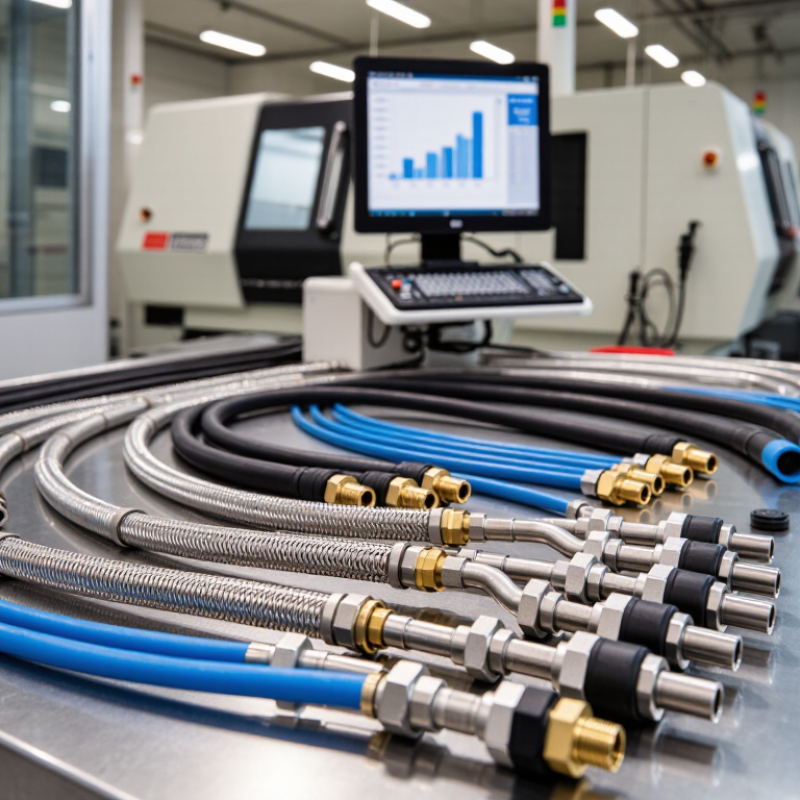
China Top 10 Automotive Fluid Lines Manufacturers?

What Are Automotive Fluid Lines and Why Are They Important?

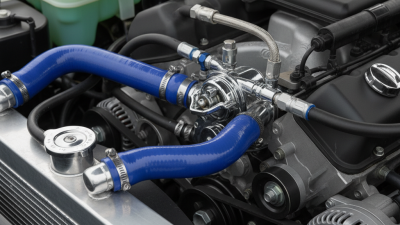
Automotive fluid lines are the vehicle’s hidden circulation system. They transport brake fluid, fuel, coolant, refrigerant, and hydraulic fluids between critical components. Their construction usually combines rubber, thermoplastic, metal tubing, reinforcement layers, and protective coatings.

A damaged line can leak, swell, crack, or restrict flow. The result may be weak braking, overheating, poor air-conditioning performance, or fire risk. NHTSA’s FMVSS No. 106 requires brake hoses to pass burst, whip, tensile, and endurance tests. These requirements show why appearance alone is not enough. A line can look healthy and still fail under pressure, heat, vibration, or chemical exposure. That assumption is convenient, but incomplete.

Electric vehicles make thermal fluid lines even more important. The IEA’s Global EV Outlook 2024 reported more than 14 million electric car sales in 2023, representing almost 18% of global new-car sales. Battery packs, inverters, and motors need stable temperature control. Poor routing can create hot spots, abrasion, or slow coolant circulation. Manufacturing quality therefore affects safety, efficiency, service life, and repair costs. Real-world inspection is not always perfect.

Tips: Check routing near sharp brackets, exhaust heat, and moving parts. Measure pressure and temperature ratings before selection. Match the fluid type exactly. Replace seals and clamps when required, not only the visible hose. Record inspection dates, because memory is unreliable.
How to Evaluate China’s Automotive Fluid Line Manufacturers

China’s automotive fluid-line sector deserves careful evaluation, not a simple top-ten ranking. The China Association of Automobile Manufacturers reported 30.16 million vehicles produced in 2023. OICA recorded 93.55 million vehicles worldwide that year. This scale creates strong supplier experience, but factory size alone proves little.

Ask for IATF 16949 certification, process-control records, and material traceability. Check whether each hose uses the correct compound, reinforcement, and fitting design. EPDM coolant lines, PTFE brake lines, and fuel systems require different resistance profiles. Request test evidence for burst pressure, impulse cycles, heat aging, ozone exposure, and fluid compatibility. SAE J30 and SAE J2064 can guide fuel and air-conditioning hose assessments.

Visit the production floor if possible. Inspect crimping machines, cleanliness controls, storage temperature, and batch labels. A reliable manufacturer should provide sample reports, failure analysis, and change-control procedures. It should also explain tooling maintenance without hiding behind certificates. Certificates can be outdated. Public supplier rankings are imperfect, too. An independent audit remains valuable.

Compare laboratory results with real vehicle conditions, including vibration, tight bends, and winter exposure. Review delivery records and corrective-action speed. The best quotation is not always the safest purchase. A slightly lower price may conceal thinner reinforcement or weaker inspection. Some evaluations still overvalue equipment and undervalue engineering communication. That is worth reconsidering.

China’s Top 10 Automotive Fluid Line Manufacturers

China’s top 10 automotive fluid line manufacturers serve passenger vehicles, commercial fleets, and new-energy platforms. Their products commonly include brake hoses, fuel lines, coolant tubes, air-conditioning pipes, and hydraulic assemblies. Selection should consider material traceability, pressure testing, temperature resistance, and production consistency. Certification claims must be checked directly.

In factory evaluations, strong manufacturers usually operate automated crimping equipment, leak-test stations, and batch-based inspection records. Some also use multilayer rubber, stainless steel, aluminum, or engineered thermoplastics for different applications. Practical experience matters here. A line may pass a short pressure test but fail after repeated heat cycles, vibration, and salt exposure.

The ten leading suppliers differ in tooling depth, export support, and customization speed. Several provide prototype samples within weeks, while others focus on stable high-volume orders. Not every published ranking is fully reliable. Supplier websites may omit failure data, inspection limits, or subcontracting details. Buyers should request test reports, control plans, material certificates, and sample approval records. A factory visit can reveal more than a polished brochure. Small details matter. Look closely at hose storage, connector protection, labeling, and operator training before placing a long-term order.

Key Products, Technologies, and Industry Applications

China Top 10 Automotive Fluid Lines Manufacturers: Key Products, Technologies, and Industry Applications

China’s leading automotive fluid-line manufacturers serve passenger cars, trucks, buses, and electric vehicles. Their key products include fuel hoses, brake lines, coolant pipes, air-conditioning tubes, oil lines, and battery thermal-management assemblies.

CAAM reported 31.28 million vehicle sales in China during 2024. New-energy vehicle sales reached 12.87 million units. This shift is changing product priorities. Fuel systems remain important, but coolant and refrigerant lines now receive greater engineering attention. The ranking is never perfectly stable.

Manufacturers increasingly use EPDM, PA, PTFE, multilayer rubber, and reinforced thermoplastic materials. Common technologies include extrusion, braiding, crimping, quick-connect fittings, and automated leak detection.

IEA’s Global EV Outlook 2024 reported that China represented more than 60% of global electric-car sales in 2023. That figure explains the demand for compact thermal circuits around batteries, motors, and power electronics.

Industry testing often includes pressure cycling, vibration, salt spray, temperature aging, and burst testing. Real-world durability still exposes weaknesses. Laboratory confidence is not enough.

Tips: Compare suppliers by application, not catalogue size. Check operating temperature, pressure, bend radius, chemical resistance, and connector retention. Request traceable test records and production samples. A low initial price may hide frequent replacement costs. Also inspect quality consistency between batches. This detail is easy to overlook.

How to Choose the Right Chinese Fluid Line Manufacturer

Choosing a Chinese automotive fluid line manufacturer requires more than comparing online rankings. A top-ten list can open research, but it cannot replace an engineering review. I recommend checking hose construction, fitting accuracy, and resistance to oil, coolant, heat, and vibration. Ask for material certificates and test reports. Real evidence matters. Visit the production site when possible, or request time-stamped inspection videos. Look for clean assembly areas, controlled storage, and clear batch identification.

A capable supplier should explain its design limits in plain language. Request samples made with the same materials and process used for mass production. Measure inner diameter, wall thickness, bend radius, and connection force. Then test them under cycling conditions that reflect your vehicle. Laboratory data is useful, but field feedback reveals weak clamps, aging seals, or routing problems. Do not ignore communication. A reliable team answers technical questions quickly and records changes through a formal approval process. Confirm production capacity, lead times, quality responsibilities, and corrective-action procedures before signing.

Cost still matters, yet an unusually low quote may hide thinner walls or limited testing. I have seen specifications look complete while small fitting details remained unclear. That is where careful questioning protects the project. Ask for references from similar vehicle programs, not only general export experience. Check whether the manufacturer can support prototype changes, traceability, and after-sales investigation. No supplier is perfect. Your evaluation should leave written evidence, open risks, and a practical inspection plan.