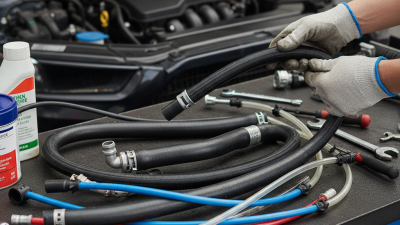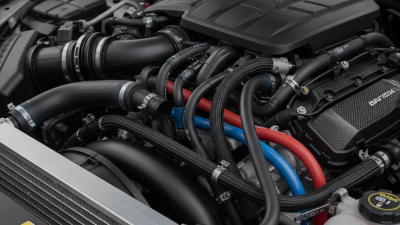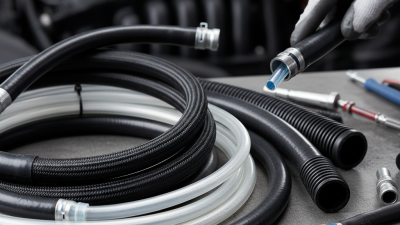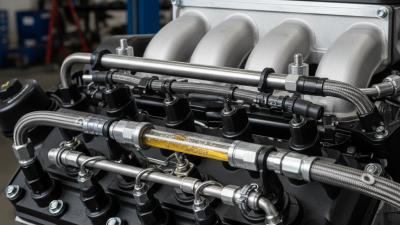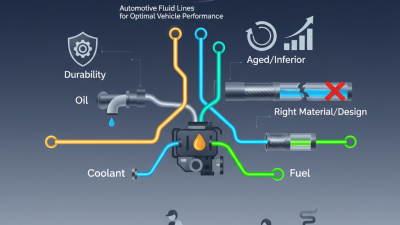
Choosing plastic and rubber tubes for cars is more than matching an inside diameter. These tubes carry fuel, coolant, air, oil, and hydraulic fluid through a harsh moving environment. They face heat near the engine, freezing temperatures, vibration, pressure changes, and contact with chemicals. Small details matter.
A reliable selection begins with the vehicle manufacturer’s specifications and the tube’s intended function. Plastic tubes often provide low weight, smooth internal surfaces, and good resistance to certain fluids. Rubber tubes can offer flexibility and strong vibration absorption. However, neither material suits every application. Check temperature ratings, pressure limits, wall thickness, bend radius, and chemical compatibility before installation. A tube that feels strong may still soften, swell, or crack after months of exposure.
Fit is not enough.
Practical experience also shows why routing and connection quality deserve careful attention. A tube rubbing against a metal bracket may develop a hidden wear spot. A loose clamp can create a slow leak, while excessive tightening can damage the tube. Use components supported by technical data, controlled manufacturing, and appropriate automotive testing. Inspect samples under realistic heat, pressure, and vibration conditions whenever possible. Standards and supplier documentation improve confidence, but they do not replace judgment. A perfect choice on paper can still fail when installation is poor. This guide explains how to compare plastic and rubber tubes for cars with a focus on safety, durability, service conditions, and long-term reliability. Some decisions remain application-specific, and that uncertainty should be acknowledged rather than ignored.
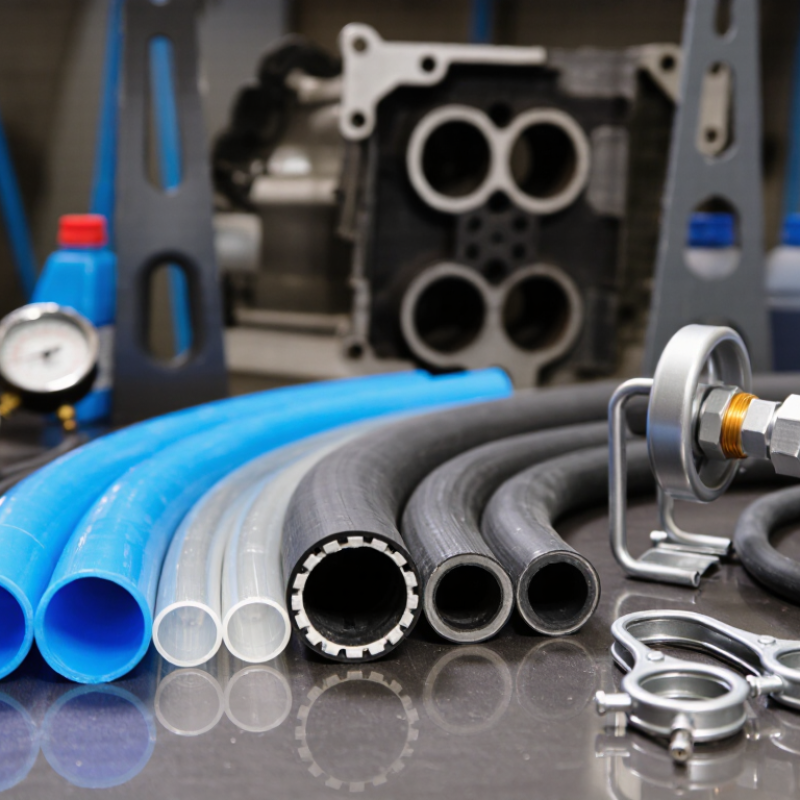
Automotive tubes do more than carry fluids. They control pressure, temperature, vibration, and air movement inside a vehicle. Coolant tubes move heated liquid from the engine, while fuel tubes must resist chemical swelling and permeation. Brake and vacuum tubes need dependable flexibility under repeated movement. A tube can look suitable and still fail after months of heat cycles.
Material choice should follow the function. Rubber usually handles vibration and sharp temperature changes well. Plastic offers lower weight and consistent dimensions. The U.S. Department of Energy reports that a 10% vehicle weight reduction can improve fuel economy by about 6–8%. That makes lightweight plastic tubing valuable, but only when its pressure and heat ratings match the application. The U.S. EPA’s Automotive Trends Report also shows that modern vehicles remain relatively heavy, increasing the importance of efficient component design.
Check inner diameter, wall thickness, burst pressure, bend radius, and chemical compatibility. Measure the tube near hot surfaces, not only in a cool workshop. A coolant line may face temperatures above 100°C, pressure pulses, and continuous engine vibration. For fuel systems, low-permeation materials matter. For air systems, smooth internal walls can support stable flow.
Small details matter. Clamps should not cut soft rubber. Plastic ends may need reinforced sleeves. I still treat catalog data cautiously. Real vehicles age unevenly, and a laboratory result cannot represent every road. When uncertain, test a complete tube assembly through heat, pressure, vibration, and fluid exposure.

Choosing a tube starts with the vehicle system, not its color or outside diameter. Coolant circuits usually need EPDM, which handles glycol mixtures and engine heat. Silicone tolerates high temperatures but may resist some oils poorly. Fuel lines need low-permeation, chemically resistant inner layers. Brake and hydraulic systems require pressure-rated rubber or thermoplastic constructions. SAE J20 defines coolant-hose performance requirements, while SAE J30 addresses fuel and oil hoses. These standards provide useful filters, not complete testing.
Electrification Changes Material Selection Electrification changes material selection. The International Energy Agency’s Global EV Outlook 2024 reports that electric-car sales exceeded 14 million in 2023. Battery cooling and thermal-management tubing now face glycol, vibration, tight bends, and repeated temperature cycling. A tube that feels flexible on a workbench may kink beside a battery tray. Turbocharged engines demand chemical resistance and reinforcement, not softness alone. I have seen failures begin at clamps, where sharp edges cut softened tubing. That detail is easy to miss.
Tips: Check compatibility at the actual fluid concentration and temperature. Measure the bend radius after installation. Confirm burst pressure, vacuum rating, permeation, ozone resistance, and electrical insulation when required. Keep heat shields away from abrasion points. A “universal” tube may fit, but fitting is not performance. Record batch numbers and inspect samples after thermal cycling. Reconsider the choice if the tube swells, hardens, or leaves a faint fuel odor.
Choosing a car tube starts with its working environment, not its outside diameter. Temperature changes can be severe. A coolant hose may face hot fluid, engine heat, and sudden cooling after shutdown. Use a material rated above the measured peak temperature. Leave a safety margin for aging and heat soak. Rubber usually handles vibration well, while engineered plastics can reduce weight and provide smooth internal surfaces. The choice depends on the application.
Pressure requires equal attention. Check continuous pressure, pressure spikes, vacuum exposure, and pulsation. A tube rated only for steady pressure may fail during pump cycling. Measure the smallest bend radius before installation. Tight bends can flatten a plastic tube or fatigue a rubber wall. Reinforcement helps, but it cannot fix poor routing. Keep tubes away from sharp edges and exhaust heat. Secure them without crushing the wall. Catalog selection often differs from workshop reality. Not always.
Fluid compatibility must be verified with the actual fluid, concentration, and exposure time. Fuel, oil, brake fluid, coolant, and washer fluid can attack different polymers. Swelling, hardening, cracking, or softening are warning signs. I have seen a tube look perfect outside while its inner layer had weakened. That mistake is easy to miss. Confirm permeation limits, fitting material, and clamp design through technical data. Recheck the assembly after thermal cycling and pressure testing. Contaminants in mixed fluids can change performance. Do not assume a familiar tube is universally suitable.
Selecting tubes for a vehicle requires more than matching their outside appearance. Check the required automotive standards, pressure ratings, temperature range, and fluid compatibility. Fuel, coolant, air, oil, and brake fluids can affect materials differently. A tube that handles water may soften when exposed to fuel or hot oil.
Fit must be measured carefully. Confirm the inner diameter, wall thickness, connection style, and minimum bend radius. A loose tube can leak, while an oversized tube may split near the clamp. Leave enough length for engine movement, but avoid unnecessary loops.
Check nearby heat sources and moving parts. Small details matter. In workshop inspections, I also look for abrasion marks and sharp contact points before installation.
Durability depends on heat, vibration, pressure cycles, and chemical exposure. Choose reinforced construction when the system needs extra strength. During installation, cut the tube cleanly and keep its ends free from dust. Use suitable clamps without crushing the material. Never force a stiff tube onto a fitting.
I once focused only on diameter and ignored bend radius. That shortcut caused early cracking. It was a useful reminder.
After fitting, inspect every connection, run the system, and check for leaks, movement, or swelling. Recheck it after the first driving period, because installation stress may appear later.
Selecting a tube starts with the fluid, temperature, pressure, and movement. A coolant line needs different reinforcement from a fuel-vapor line. Do not match by size alone. SAE J20 and SAE J30 provide useful performance requirements for coolant and fuel hoses. They guide material choice, pressure testing, and dimensional checks. For plastic tubes, also check chemical compatibility, flexibility, and permeation resistance.
A practical workshop process should test samples before production approval. Run burst, vacuum, pressure-impulse, and thermal-cycle tests. Then inspect cracks, swelling, flattening, and clamp movement. Test the complete assembly, not only the tube. The ACEA Vehicles on European Roads 2024 report places the average European passenger car age at 12.3 years. A replacement tube may therefore face years of heat, vibration, and chemical exposure. Testing only new material is not enough. Aging tests can reveal weaknesses that visual inspection misses.
Maintenance planning should record installation dates, operating temperatures, and replacement history. Inspect tubes during every scheduled service. Look for soft spots, surface whitening, oil staining, abrasion, and loose clamps. Pay attention near exhaust heat and sharp brackets. Replace a tube when damage appears, not only after a mileage target. The schedule will not be perfect. Weather, driving habits, and poor routing change service life. A six-month inspection may suit severe use, while annual checks may fit mild conditions. Review the plan after every failure, even when the cause seems obvious.
| Tube Type / Material | Typical Automotive Applications | Typical Continuous Temperature Range | Typical Working Pressure Range | Fluid Compatibility | Key Testing Requirements | Recommended Maintenance Planning |
|---|---|---|---|---|---|---|
| PA12 Nylon Tube | Brake air systems, pneumatic controls, fuel vapor lines, and low-to-medium pressure fluid routing | Approximately −40°C to 100°C; heat-stabilized grades may support higher temperatures | Approximately 0.6–2.0 MPa, depending on size, wall thickness, temperature, and construction | Generally suitable for air, water, oils, and many fuels; verify compatibility with additives and permeation limits | Pressure impulse, burst, leakage, vibration, abrasion, thermal cycling, and fuel-permeation testing where applicable | Inspect during scheduled service for kinks, whitening, abrasion, loose fittings, and chemical swelling; replace after damage or failed pressure testing |
| PA6 Nylon Tube | Air lines, pneumatic actuators, and selected under-hood fluid circuits | Approximately −40°C to 90°C in continuous service | Approximately 0.5–1.6 MPa, depending on tube construction and operating temperature | Good resistance to oils and many hydrocarbons; moisture absorption can affect dimensional stability | Dimensional inspection, pressure retention, burst, low-temperature flexibility, and connector pull-off testing | Check for moisture-related swelling, stress whitening, heat aging, and connector movement at regular inspections |
| TPU Tube | Flexible air lines, washer-fluid routing, cable protection, and low-pressure fluid applications | Approximately −40°C to 80°C; specialized grades may tolerate higher temperatures | Approximately 0.3–1.2 MPa, depending on hardness, diameter, and wall thickness | Good abrasion and flex-fatigue resistance; compatibility varies with oils, fuels, solvents, and glycol mixtures | Flex-fatigue, abrasion, kink, pressure-cycle, chemical-immersion, and low-temperature impact testing | Inspect areas exposed to rubbing and repeated bending; maintain the specified bend radius and replace tubes showing cuts or permanent deformation |
| NBR Rubber Tube | Fuel, oil, hydraulic, and air lines where petroleum-fluid resistance is required | Approximately −30°C to 100°C; short-term limits depend on compound and exposure | Approximately 0.5–2.0 MPa for common reinforced constructions | Good resistance to mineral oils and many fuels; limited resistance to ozone, weathering, and some oxygenated fuels | Fuel immersion, volume change, tensile strength, ozone aging, pressure impulse, burst, and permeation testing | Inspect for cracks, hardening, surface checking, swelling, fuel odor, and clamps cutting into the cover; replace when aging is visible |
| EPDM Rubber Tube | Engine coolant, heater, hot-water, and some air-management circuits | Approximately −40°C to 135°C; higher short-term peaks may be possible by compound design | Approximately 0.2–1.0 MPa for common coolant hose constructions | Excellent resistance to water, glycol coolants, ozone, and weathering; generally unsuitable for petroleum oils and fuels | Coolant immersion, burst, pressure cycling, heat aging, ozone, adhesion, and clamp-retention testing | Check at every cooling-system service for soft spots, bulges, surface cracks, collapsed sections, and clamp leakage |
| Silicone Rubber Tube | High-temperature coolant, air, and charge-air applications requiring flexibility | Approximately −50°C to 180°C for many automotive-grade constructions | Typically 0.1–0.6 MPa; reinforced versions can support higher pressure | Excellent temperature and ozone resistance; generally not recommended for fuel, petroleum oil, or solvent service | Heat aging, burst, vacuum collapse, pressure cycling, adhesion, permeation, and oil-contamination testing | Inspect for oil contamination, delamination, softening, abrasion, and clamp damage; confirm support against excessive vibration |
| FKM Rubber Tube | High-temperature fuel, oil, vapor, and chemically demanding under-hood applications | Approximately −20°C to 150°C; specialized grades may support higher temperatures | Approximately 0.3–1.5 MPa, depending on reinforcement and tube dimensions | Very good resistance to fuels, oils, and high-temperature chemicals; low-temperature flexibility is more limited than many elastomers | Fuel immersion, permeation, heat aging, compression set, burst, pressure impulse, and low-temperature flexibility testing | Inspect for hardening, compression-set leakage, surface cracks, and cold-weather stiffness; shorten inspection intervals in severe heat or chemical exposure |
| Fluoropolymer-Lined Tube | Aggressive fuel, chemical, vapor, and high-purity fluid circuits | Approximately −60°C to 200°C, depending on polymer type and reinforcement | Approximately 0.2–2.0 MPa for reinforced automotive tube assemblies | Very broad chemical resistance and low fuel permeation; confirm resistance to the exact fluid, temperature, and pressure combination | Chemical compatibility, permeation, burst, impulse, thermal cycling, vacuum, bend, and liner-integrity testing | Monitor fittings and outer reinforcement for abrasion or kinking; replace after liner damage, leakage, or contamination exposure |