Top 10 Air Intake Hoses to Boost Engine Performance?
Air intake hoses play a crucial role in enhancing engine performance. These components ensure the optimal flow of air into the engine. A quality air intake hose can lead to increased horsepower and improved fuel efficiency. However, many car enthusiasts overlook their importance.
Choosing the right air intake hoses requires careful consideration. Not all hoses are created equal. Some materials may degrade quickly, while others may not provide the desired airflow. It's essential to understand your vehicle's specific needs. Researching the best options can significantly impact your car’s performance.
In this guide, we will explore the top 10 air intake hoses available. Each selection is based on performance, reliability, and customer feedback. This information helps enthusiasts make informed choices. Understanding these options will lead to better decisions. Ultimately, investing in the right air intake hoses can transform your driving experience.
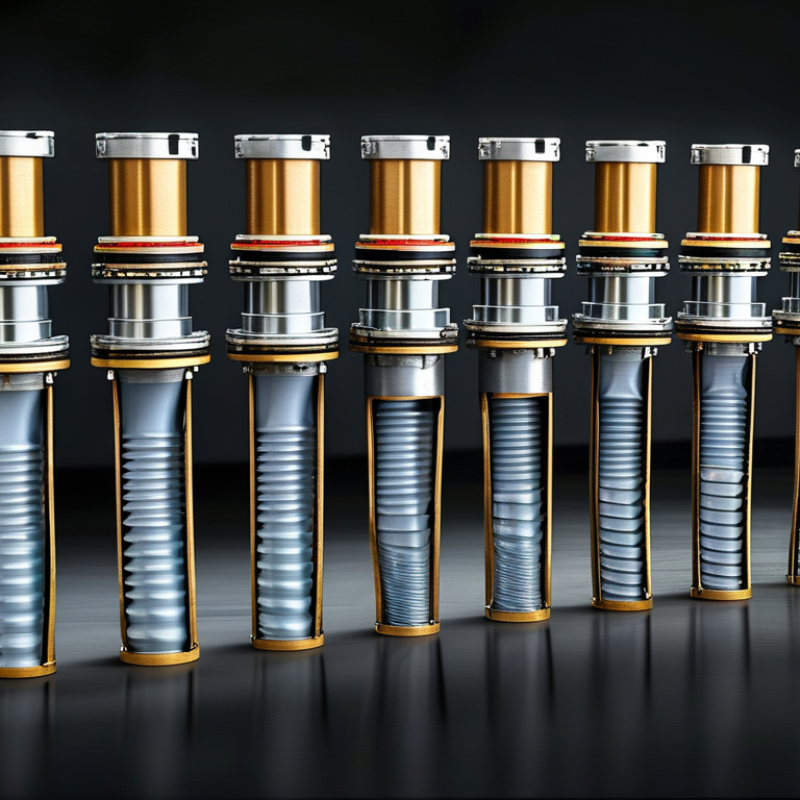
Understanding Air Intake Hoses and Their Role in Engine Performance
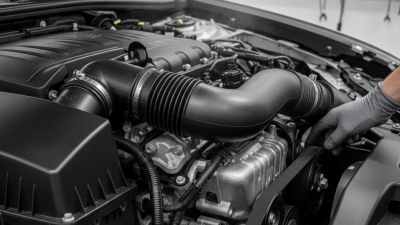
Air intake hoses play a crucial role in an engine's performance. They connect the engine to the air filter, allowing the intake of oxygen needed for combustion. When an engine receives optimal airflow, it enhances fuel efficiency and boosts horsepower. Therefore, selecting the right air intake hose can significantly impact overall performance.
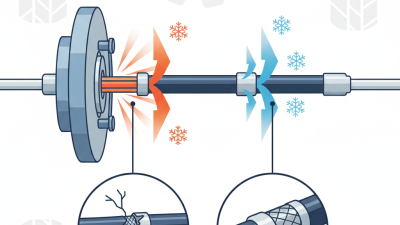
High-quality hoses often incorporate materials designed to withstand extreme temperatures and pressures. These materials provide durability and improve airflow. Installing a poorly designed hose may lead to leaks. Leaks disrupt the air-fuel mixture, causing performance issues. Some hoses may also restrict airflow, impacting throttle response. So, it is essential to think critically about choices made in air intake systems.
Maintaining air intake hoses is vital for long-term efficiency. Regular inspections can help identify wear and tear. Signs of damage include cracks, brittleness, or loose fittings. Addressing these issues promptly can prevent further engine complications. Understanding the intricacies of air intake hoses empowers drivers to make informed choices. Properly functioning hoses can lead to a noticeable improvement in engine performance and fuel consumption.
Key Features to Look for in High-Performance Air Intake Hoses
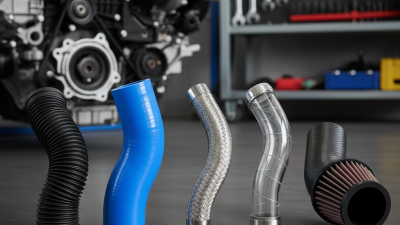
When selecting high-performance air intake hoses, several key features significantly impact engine performance. Material quality is essential. Advanced silicone hoses resist high temperatures and improve air flow. They offer better durability and flexibility compared to conventional rubber hoses. This can increase an engine's horsepower by up to 10%, according to recent performance studies.
Diameter and design also play critical roles. Wider hoses allow a greater volume of air. A smooth interior reduces turbulence. Both factors contribute to enhancing air intake efficiency. Research indicates that optimal intake design can improve throttle response and efficiency by 5-15%. Engine tuning professionals widely recognize these benefits.
Consider the installation process as well. A user-friendly design can make a significant difference. Complicated installations can discourage performance upgrades, limiting potential gains. It is crucial to choose hoses that come with clear instructions and necessary fittings. This attention to detail ensures that users maximize their engine’s performance potential without unnecessary complications.
Top 10 Air Intake Hoses for Enhanced Engine Efficiency
Choosing the right air intake hose can significantly impact engine efficiency. A well-designed hose allows for better airflow, which directly enhances combustion. This improvement results in increased power and efficiency. Many drivers overlook this crucial component, focusing instead on flashy upgrades. However, the air intake hose affects how effectively your engine breathes.
When selecting an air intake hose, it's essential to consider the material and dimensions. Flexible silicone hoses are often recommended for their durability and resistance to heat. Ensure the diameter matches your engine specifications for optimal performance. Some installations can be tricky, requiring careful adjustments. Taking the time to ensure a proper fit can alleviate future headaches.
You should also keep in mind that not all hoses are created equal. While some may promise superior performance, extensive testing is crucial. User reviews and expert feedback provide valuable insights. It's wise to reflect on your own driving habits and needs. Making informed choices can lead to better engine responsiveness and overall efficiency.
Comparing Material Types: Silicone vs. Rubber in Air Intake Hoses
When choosing an air intake hose, material choice plays a crucial role. Two common options are silicone and rubber. Silicone hoses are known for their high-temperature resistance and durability. They can handle extreme heat, making them ideal for performance applications. Their flexibility allows for easy installation in tight spaces. However, some may find them more expensive than rubber alternatives.
Rubber hoses, on the other hand, are typically more affordable and still reliable for everyday use. They offer decent performance and flexibility but may wear out faster under high heat conditions. Over time, rubber can crack or degrade, which affects engine performance. While they might seem like the budget-friendly choice, their longevity should be considered.
In summary, the choice between silicone and rubber air intake hoses can significantly impact engine performance. Evaluating the specific needs of your vehicle is essential. We should also recognize that what works for one engine might not be suitable for another. Each material has its pros and cons, and making a well-informed decision is critical.
Installation Tips for Optimal Air Intake Hose Performance
Installing air intake hoses can significantly improve engine performance. They allow better airflow, enhancing combustion efficiency. Research shows that optimized air intake can increase horsepower by 5 to 10 percent. This increase is substantial for most vehicles. However, many enthusiasts overlook proper installation techniques, which can negate performance benefits.
One key tip is to ensure a tight fit at all connections. Loose hoses can lead to leaks, reducing airflow and engine efficiency. It’s crucial to check for any cracks or signs of wear. Using high-quality clamps can prevent air leaks. Additionally, consider the routing of your hoses. Avoid sharp bends or kinks; these impede airflow and can restrict performance.
Regular maintenance plays a vital role in ensuring optimal functioning. Inspect hoses for wear every few months. A report from the Automotive Research Institute indicates that replacing aged hoses can lead to a noticeable performance boost. Remember that even minor details, like clean connections, may influence your overall engine response. If hoses are dirty, it can hinder airflow. Balancing performance upgrades with diligent maintenance is key to getting the most from your air intake system.