Essential Tips for Choosing an Automotive Parts Manufacturer?
Choosing the right automotive parts manufacturer plays a crucial role in the automotive industry. According to a report by MarketsandMarkets, the global automotive parts market is expected to reach $1.2 trillion by 2026. As demand grows, selecting a reliable manufacturer becomes essential for success. Renowned automotive expert Dr. Linda Myers emphasizes, "Quality parts are the backbone of any vehicle's performance."
Understanding the manufacturing process and supplier relationships is vital. The right manufacturer should provide not just quality but also transparency regarding their practices. A recent survey by Automotive News revealed that 72% of automotive companies prioritize long-term partnerships with parts manufacturers. This reflects a trend towards trusting manufacturers who consistently deliver quality over time.
It is also essential to consider certifications and quality standards. Many manufactures claim high standards but lack the necessary certifications. According to industry benchmarks, less than 50% of manufacturers meet ISO standards. Therefore, researching the credibility of an automotive parts manufacturer is often an overlooked yet necessary step. In a landscape filled with choices, ensuring you have the right information can prevent costly mistakes.

Understanding Your Specific Automotive Parts Needs
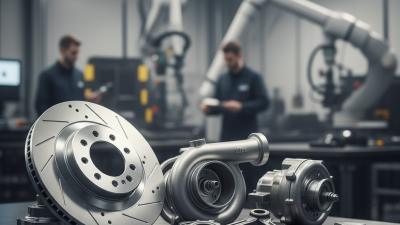
Understanding your specific automotive parts needs is crucial for making informed decisions. Start by assessing the type of parts you require. Are you looking for engine components, suspension parts, or electrical systems? Each category demands unique specifications. Knowing your exact needs helps narrow down potential manufacturers.
Next, consider the quality standards you expect. Are you aiming for original equipment manufacturer (OEM) parts or aftermarket alternatives? Researching industry standards can help you evaluate quality. Reliable manufacturers provide certifications that showcase their commitment to excellence.
Don't overlook the importance of customer support. A manufacturer with a strong support system can guide you through the selection process. They should be responsive to inquiries and willing to share their expertise. Reflect on your past experiences; did you face challenges with unclear communication? Choosing a manufacturer that prioritizes clarity can save time and frustration in the long run.
Researching Manufacturer Reputation and Experience
When selecting an automotive parts manufacturer, reputation and experience are crucial factors. Begin your research by looking for online reviews. Customer feedback can reveal strengths and weaknesses. Pay attention to consistent themes in reviews. A manufacturer with a history of quality issues may not be a reliable choice.
Experience in the industry often indicates reliability. Manufacturers with years of operation typically have established processes. They are more likely to adhere to quality standards. Conversely, newer companies might lack the necessary experience. Consider how long the manufacturer has been in business. This can give insight into their reliability and expertise.
Engaging directly with manufacturers can also provide valuable information. Ask about their production techniques and quality control measures. A transparent company that is willing to share this information shows confidence in their products. Don't shy away from asking for references. Communication can illuminate how the manufacturer handles challenges. Checking their certifications and compliance with industry standards also matters. This process may take time, but a careful approach can uncover potential pitfalls.
Evaluating Quality Standards and Certifications
When choosing an automotive parts manufacturer, quality standards and certifications play a critical role. Look for manufacturers that adhere to recognized industry standards. These benchmarks often ensure that parts meet specific safety and performance criteria. For example, ISO 9001 is a widely respected quality management standard. It demonstrates a commitment to consistent quality in production processes.
Certifications can act as a road map. However, not every manufacturer is transparent about their certifications. Some may claim compliance without sufficient proof. Always request documentation. Investigate if the manufacturer regularly undergoes audits to maintain their certifications. This will offer insights into their reliability and operational integrity.
Additionally, consider the manufacturer’s history and reputation in the industry. Older manufacturers might have a wealth of experience but could be stuck in outdated practices. Newer companies may innovate effectively, yet lack a proven track record. Balancing experience with innovation is crucial. Identify manufacturers who continually strive for improvement while maintaining quality. This careful evaluation can guide you toward making a trustworthy choice.
Comparing Pricing and Warranty Options
When choosing an automotive parts manufacturer, pricing and warranty options are critical factors. A recent industry report from the Auto Parts Association indicates that nearly 70% of consumers rank pricing as their top priority. Competitive pricing does not always reflect quality, though. Manufacturers offering lower prices may cut corners, impacting the durability of their parts.
Warranties are equally important. A solid warranty can indicate a manufacturer’s confidence in their products. According to industry standards, a warranty period of 1-2 years is common for automotive parts. However, some manufacturers extend warranties up to 5 years. This longer coverage can provide peace of mind, but it’s essential to read the fine print. Many warranties have conditions that, if unmet, void the protection.
Comparing pricing and warranty options requires careful consideration. A lower-priced part may seem attractive, but it could lead to higher long-term costs due to failure or need for replacement. On the other hand, a high-priced part with an extensive warranty might not always be necessary. Perform due diligence to ensure that both pricing and warranty align with your expectations and the manufacturer's reputation in the industry.
Assessing Production Capabilities and Lead Times
When assessing production capabilities, look closely at a manufacturer's technology and equipment. Advanced machinery can increase precision and efficiency. Check if they utilize automation, which often leads to faster lead times. Yet, consider that over-reliance on machines might lack the human touch, which is crucial in some intricate manufacturing processes.
Lead times are equally important. Shorter lead times mean quicker delivery, but they can come at a cost. It's essential to understand how a manufacturer balances speed and quality. Are they cutting corners to meet deadlines? Transparency in their timeline is vital. Request detailed schedules to gauge their reliability.
Don't underestimate the importance of flexibility. A manufacturer should adapt to changing demands. Sometimes, unexpected issues arise, and a good partner will communicate effectively. Look for signs of a responsive team. This reflects their commitment to maintaining quality and meeting deadlines.