Inquiry
Form loading...

Top 10 Mexico Automotive Factories for Global Buyers

Mexico has become a practical production base for global automotive buyers. Its factories connect North American assembly networks with suppliers, ports, railways, and major consumer markets. This guide examines ten leading sites and explains why each matters to sourcing teams.

A capable Mexico automotive factory is more than a large building. Buyers should examine vehicle programs, annual capacity, production technology, workforce stability, and quality systems. Location also matters. Plants near Monterrey, Saltillo, Puebla, Guanajuato, and the central corridor can offer different logistics advantages. Some sites provide strong access to highways and rail terminals. Others benefit from nearby supplier parks and established engineering talent.

The selected factories represent major manufacturers and important manufacturing clusters. Their operations may include stamping, body welding, painting, powertrain production, battery preparation, and final assembly. These details affect lead times, tooling decisions, and supplier qualification. Buyers should also review environmental controls, worker training, traceability procedures, and business continuity plans.

Factory rankings can change.

Capacity announcements are not always completed on schedule. Public information may also become outdated after model transfers, expansions, or ownership changes. For that reason, this overview should support, not replace, direct verification. Request current production data, certification records, delivery performance, and approved supplier requirements before making a commitment. A site visit can reveal practical details that spreadsheets miss, such as material flow, loading-bay congestion, and maintenance discipline. Careful comparison will help global buyers identify reliable partners and avoid assumptions based only on brand reputation.
Top 10 Mexico Automotive Factories for Global Buyers

Mexico’s Automotive Manufacturing Landscape and Global Export Role

Mexico’s automotive manufacturing landscape is built for cross-border production. INEGI reported 3,989,403 light vehicles assembled in 2024. Exports reached 3,479,086 units, or about 87% of output. OICA’s 2024 production table recorded more than four million vehicles when commercial vehicles were included. These figures show Mexico’s export role clearly. They also reveal strong dependence on international demand.

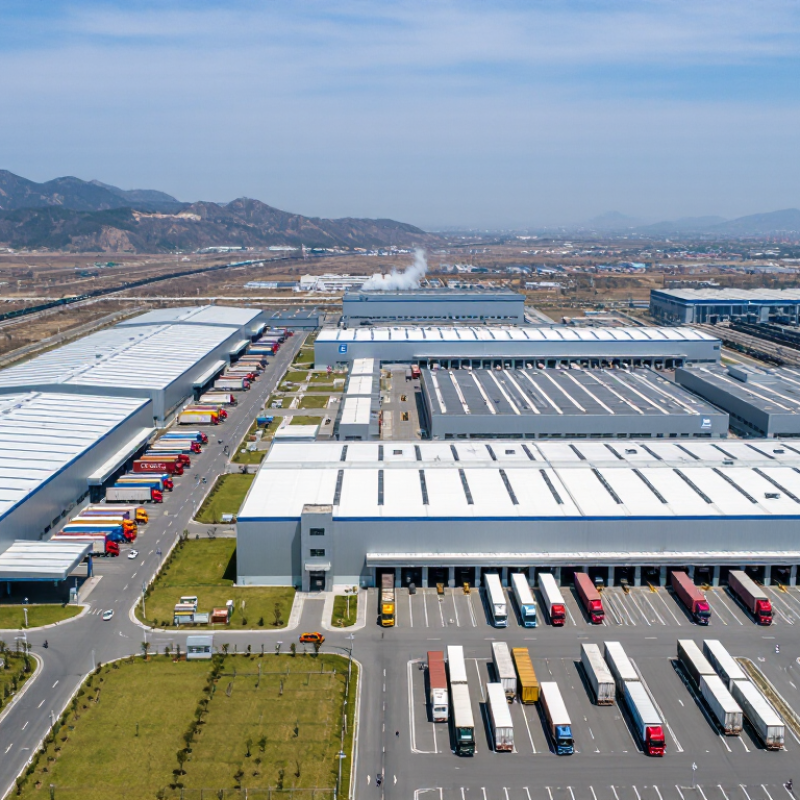
The ten factories considered by global buyers typically sit near northern border corridors, central industrial clusters, or major ports. Their advantages include established supplier networks, rail access, skilled technicians, and shorter delivery routes into North America. The USMCA automotive rules also make regional content, origin records, and supplier traceability important purchasing factors. A factory may report excellent output, yet weak local sourcing can increase lead times. That detail is easy to miss.

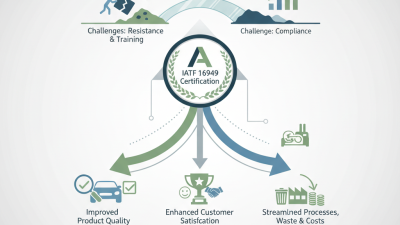
Tips: Check monthly production data, not only annual capacity. Audit IATF 16949 processes, customs documentation, energy continuity, and backup logistics. Ask for evidence of defect rates and delivery performance. Industry reports provide direction, not certainty. INEGI data can describe national performance, but it cannot replace a site visit. A polished facility can still have bottlenecks. Global buyers should test a small production order before expanding commitments.
Key Criteria for Ranking Mexico’s Top Automotive Factories

Top 10 Mexico Automotive Factories for Global Buyers

Key Criteria for Ranking Mexico’s Top Automotive Factories

A credible factory ranking should measure more than production volume. Global buyers need evidence of quality, delivery consistency, engineering depth, and workforce stability. During supplier visits, inspect assembly lines, maintenance logs, inspection stations, and finished-goods storage. A clean showroom proves little.

Location also matters. Factories near major ports, highways, rail terminals, and border crossings can reduce transit time and damage risks. Assess customs experience, backup carriers, warehouse capacity, and emergency shipping plans. Energy reliability deserves attention too, especially for temperature-sensitive or highly automated production.

Tips: Request twelve months of on-time delivery data, defect rates, and customer complaint records. Verify the figures through independent audits and site interviews. Ask whether production can scale without weakening process controls.

A strong ranking should include certifications, traceability systems, cybersecurity practices, and environmental performance. Review how the factory controls raw materials, tooling changes, calibration, and final inspections. Worker training should be measurable, not described with vague promises. Safety records and turnover can reveal operational pressure.

No scorecard is perfect. A factory may offer excellent quality but limited capacity. Another may have advanced equipment yet weak communication. Buyers should weight criteria according to product risk, launch timing, and total landed cost. Test a pilot order before making a long-term decision. That step may expose delays that presentations hide.

Leading Vehicle Assembly Plants Serving International Buyers

Mexico’s top automotive factories are becoming important assembly partners for global buyers. Their strength lies in export access, skilled technicians, and established production routines. Many plants build passenger vehicles, commercial units, and specialized assemblies for several international markets. Buyers should examine more than annual output. Plant location, port distance, rail access, and supplier density directly affect delivery reliability. A factory near strong logistics corridors may reduce handling time and inventory pressure.

Leading vehicle assembly plants usually provide documented quality systems, traceability controls, and production audits. During a site visit, inspect body-shop automation, paint-line cleanliness, warehouse labeling, and final inspection records. Ask how the plant manages tooling changes, component shortages, and engineering updates. These details reveal operational maturity. However, no factory is perfect. A polished tour can hide weaknesses in overtime planning or supplier communication. Independent verification still matters.

Tips: Request recent quality data, delivery performance, and capacity information. Confirm whether production schedules support your forecast, not only current orders. Review packaging standards with the logistics team. Check loading areas during busy hours, when congestion becomes visible. Keep written records of every commitment. Small gaps often become expensive delays. It is also wise to compare two or three facilities before selecting a long-term assembly partner.

Top 10 Mexico Automotive Factories for Global Buyers - Leading Vehicle Assembly Plants Serving International Buyers
Rank Plant ID Location State Primary Manufacturing Role Approx. Installed Annual Capacity Typical Vehicle Output Export Orientation International Logistics Advantages Publicly Reported Start of Operations
1 Factory MEX-01 Aguascalientes Aguascalientes High-volume passenger-vehicle assembly and powertrain integration Approx. 400,000 vehicles/year Compact cars, sedans and crossover vehicles High; production is shipped throughout North America and to selected overseas markets Central position in Mexico; direct highway and rail connections to northern border crossings and Gulf ports 1982
2 Factory MEX-02 Puebla Puebla Large-scale vehicle assembly, body production and paint operations Approx. 350,000–525,000 vehicles/year Passenger cars, compact utility vehicles and crossover vehicles Very high; one of Mexico’s most export-oriented vehicle production locations Strong rail access to Gulf ports, Mexico City logistics networks and major central highways 1967
3 Factory MEX-03 Silao Guanajuato Light-truck and vehicle assembly supported by integrated engine manufacturing Approx. 300,000–340,000 vehicles/year Pickups, sport-utility vehicles and commercial vehicles High; primarily serves North American markets Located within the Bajío automotive cluster with access to rail, highways and supplier parks 1995
4 Factory MEX-04 Hermosillo Sonora Flexible vehicle assembly with stamping, body shop and paint-shop capabilities Approx. 300,000 vehicles/year Mid-size cars, crossovers and sport-utility vehicles High; strong supply links to the United States and Canada Short overland route to the United States and access to Pacific and Gulf logistics corridors 1986
5 Factory MEX-05 Saltillo Coahuila Full vehicle assembly with heavy-duty body and chassis production Approx. 280,000–300,000 vehicles/year Pickup trucks, large sport-utility vehicles and commercial vehicles Very high; designed largely for North American distribution Excellent proximity to the United States border, rail networks and cross-border trucking routes 1995
6 Factory MEX-06 Celaya Guanajuato Passenger-vehicle assembly combined with engines, transmissions and component production Approx. 200,000 vehicles/year Compact cars, hybrid vehicles and crossover vehicles High; serves North American, Latin American and selected global markets Situated in the Bajío industrial corridor with efficient access to ports and inland distribution hubs 2014
7 Factory MEX-07 Ramos Arizpe Coahuila Vehicle assembly, battery-related expansion and powertrain manufacturing Approx. 190,000–200,000 vehicles/year Sport-utility vehicles, pickups and electrified vehicles High; primarily connected to United States and Canadian demand Border-region location with established rail, highway and supplier infrastructure 1981
8 Factory MEX-08 San Luis Potosí San Luis Potosí Premium passenger-vehicle assembly with advanced body, paint and quality-control systems Approx. 175,000 vehicles/year Executive sedans, coupes and sport-utility vehicles Very high; production is focused on international markets Central location provides efficient access to Gulf ports, rail terminals and North American routes 2019
9 Factory MEX-09 San José Chiapa Puebla Modern crossover assembly with highly automated body and final-assembly operations Approx. 160,000 vehicles/year Premium sport-utility and crossover vehicles Very high; built primarily for overseas distribution Close to central Mexican rail corridors, Gulf port connections and major international airports 2016
10 Factory MEX-10 Cuernavaca Morelos Vehicle assembly with supporting stamping, welding and component operations Approx. 130,000–150,000 vehicles/year Compact cars, light commercial vehicles and vans High; supplies domestic and international markets Access to Mexico City’s industrial demand center, central highways and inland distribution networks 1966
Capacity figures are approximate installed annual ranges based on publicly reported plant profiles and may vary according to vehicle mix, production shifts, model cycles and market demand. Plant identifiers are intentionally anonymized.

Major Component and Powertrain Factories Supporting Vehicle Production

Mexico’s automotive map is built around ten production zones: Saltillo, Ramos Arizpe, Monterrey, Chihuahua, Ciudad Juárez, San Luis Potosí, Querétaro, Guanajuato, Aguascalientes, and Puebla. These factories supply engines, transmissions, castings, stamped structures, wiring, seats, and electronic modules. They sit near ports, rail corridors, and vehicle assembly plants. That proximity reduces transport exposure. It does not remove disruption risk.

INEGI reported 3,989,403 light vehicles produced in Mexico during 2024. The figure confirms strong demand for reliable local components and powertrain capacity. The National Auto Parts Industry report placed Mexican parts production above 120 billion dollars in 2023. Its outlook also anticipated further growth in 2024. Guanajuato and San Luis Potosí are important sites for machining, transmission systems, and battery-related operations. Saltillo and Ramos Arizpe remain influential for engines, metal components, and heavy-duty systems. Querétaro adds aerospace-grade process expertise and precision manufacturing skills.

For global buyers, factory evaluation should go beyond output numbers. Check heat-treatment records, tooling redundancy, delivery performance, and energy continuity. Ask whether suppliers can trace aluminum, steel, and electronic inputs to verified sources. Public statistics can lag behind plant-level changes. That is a real limitation. Capacity may look available while skilled labor remains tight. Buyers should also examine cybersecurity controls and worker training before signing long-term contracts. The best location is not always the largest one.

Top 10 Mexico Automotive Factories for Global Buyers

Major vehicle, component, and powertrain production sites ranked by publicly reported annual vehicle capacity. Figures are rounded estimates in thousands of vehicles per year and may vary by model mix, production shifts, and market conditions.

How Global Buyers Can Evaluate Mexican Automotive Suppliers

Top 10 Mexico Automotive Factories for Global Buyers

Mexico’s factory landscape is large, but size alone proves little. AMIA and INEGI reported 3,779,888 light vehicles produced in Mexico during 2023. Vehicle exports reached 3,333,586 units that year. That volume creates options. Global buyers should evaluate factories through measurable evidence, not impressive buildings or polished presentations.

Begin with production capability. Request verified capacity, current utilization, overtime records, and maintenance schedules. A factory running near maximum output may struggle with urgent programs. Review defect rates, warranty claims, corrective-action timing, and customer-specific quality records. IATF 16949 certification supports process discipline, but it does not replace an on-site audit. Walk the production line. Inspect labels, gauges, material flow, and traceability records.

Location also matters. Compare access to ports, rail connections, border crossings, and regional warehouses. The U.S. International Trade Commission has repeatedly identified regional value content and documentation as important factors in North American automotive trade. Buyers should confirm origin data with customs specialists. Labor stability deserves equal attention. Examine turnover, training hours, safety performance, and succession planning. A supplier may have excellent equipment but weak technical coverage at night. No scorecard is perfect. I would also test communication during a simulated disruption, because routine meetings can hide real weaknesses. Financial statements, cybersecurity controls, environmental permits, and backup suppliers complete the review. Use at least three years of evidence whenever possible.