Top Mexico Automotive Factory Trends in 2026 for Buyers?
The landscape of the Mexico automotive factory industry is evolving rapidly. As we head toward 2026, buyers need to adapt to new trends. Understanding these changes is essential for making informed decisions.
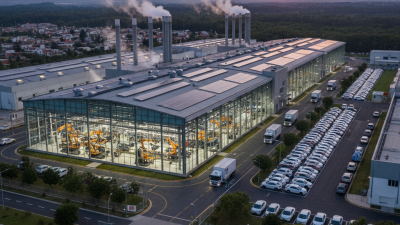
Mexico is becoming a central hub for automotive manufacturing. Several factors contribute to its appeal: a skilled workforce, competitive labor costs, and proximity to major markets like the U.S. This combination attracts both established firms and new entrants. However, buyers must also be aware of potential challenges. Issues such as rising tariffs and supply chain disruptions can affect operations.
Looking ahead, we must analyze how technology and sustainability will shape the Mexico automotive factory scene. Automation, electric vehicles, and eco-friendly practices create opportunities and obstacles. Buyers will need to navigate this complex environment carefully. Recognizing the strengths and vulnerabilities within the Mexico automotive industry will enable them to make strategic choices. Balancing innovation with practicality is key to future success.
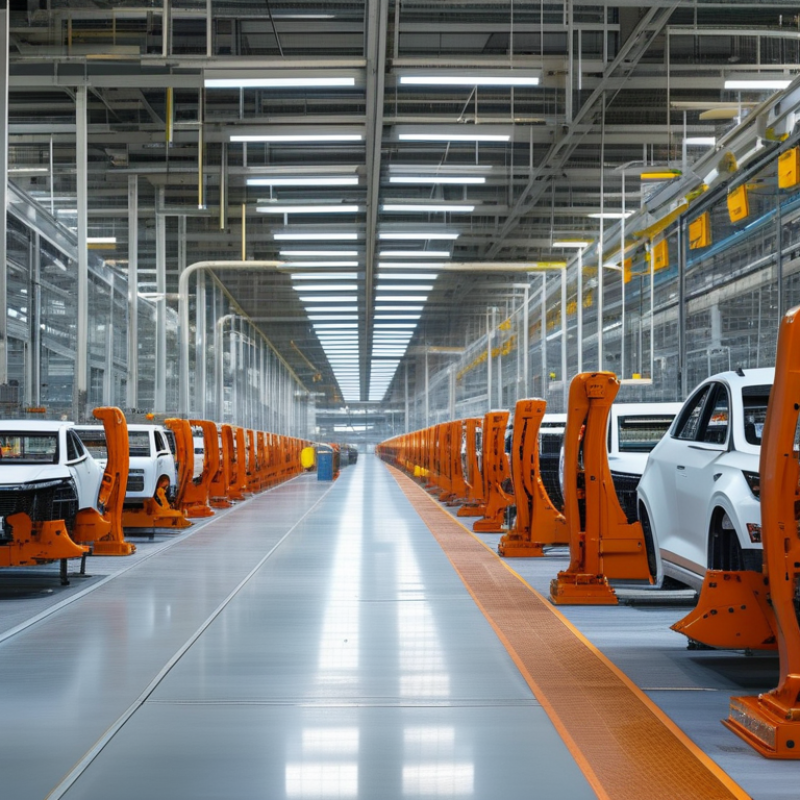
Emerging Technologies Shaping Mexico's Automotive Manufacturing Landscape in 2026
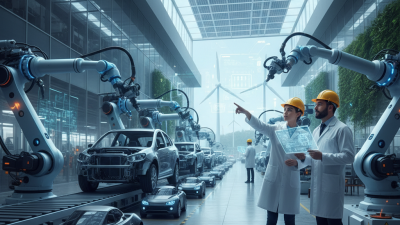
Emerging technologies are driving change in Mexico's automotive manufacturing landscape. In 2026, buyers should focus on mastering these advancements to stay competitive. Automation continues to rise, with robotics taking over repetitive tasks. This increases efficiency but may overshadow the need for human oversight.
AI-powered analytics enhance production processes. These advancements help manufacturers predict machinery failures. Predictive maintenance reduces downtime but raises questions about dependency on technology. It's crucial for companies to find a balance between innovation and human expertise.
**Tips**: Stay updated on the latest tech trends. Engage with experts who offer insights into emerging tools. Invest in training your workforce to adapt to new technologies. Building a culture of continuous learning will be key for staying ahead in this evolving industry.
Top Mexico Automotive Factory Trends in 2026 for Buyers
| Trend |
Description |
Impact |
Emerging Technology |
| Electric Vehicle Production |
Shift towards manufacturing electric vehicles to meet global demand. |
Increase in factory output and overall market growth. |
Battery technology advancements. |
| Smart Factories |
Integration of IoT devices to enhance production efficiency. |
Cost reduction and improved product quality. |
IoT and AI technologies. |
| Sustainability Practices |
Adoption of eco-friendly materials and processes. |
Strengthened brand image and compliance with regulations. |
Recycling technologies. |
| Advanced Robotics |
Use of advanced robotics for precision manufacturing. |
Increased production rates and reduced human error. |
Robotics and automation systems. |
| Supply Chain Optimization |
Implementation of strategies to enhance supply chain efficiency. |
Reduced lead times and better resource allocation. |
Blockchain technology for tracking. |
Sustainability Initiatives Transforming Auto Production in Mexico by 2026
Sustainability initiatives are reshaping automotive production in Mexico by 2026.
The automotive sector is increasingly adopting eco-friendly practices. According to recent reports,
around 70% of manufacturers plan to invest in renewable energy sources.
This shift is crucial for reducing carbon footprints.
Manufacturers are also embracing electric vehicle (EV) technology.
By 2026, experts estimate that 40% of new vehicles produced in Mexico will be electric.
This trend results from both consumer demand and regulatory pressures. However, challenges remain.
Many manufacturers still rely on traditional methods. Transitioning to sustainable processes requires time and investment.
Tip: Companies should conduct thorough assessments of their current practices.
Identifying areas for improvement is essential.
Water conservation efforts are another focus area. Production plants are adopting advanced recycling methods.
Reports indicate that these measures can reduce water consumption by up to 25%.
However, not all firms are on board with these changes. Resistance to adopting new technologies can hinder progress.
Tip: Engage employees in sustainability training. Awareness can foster a culture of sustainability within organizations.
As the automotive landscape evolves, staying informed is crucial.
Buyers should watch sustainability trends closely. Upgraded facilities and innovative practices can lead to a more responsible automotive industry in Mexico.
The Role of Government Policies in Influencing Mexico's Automotive Sector Trends
Government policies play a crucial role in shaping Mexico's automotive industry. In 2026, manufacturers will navigate a landscape influenced by new regulations and incentives. These policies aim to promote
sustainability and innovation within the sector. For instance, stricter emissions standards will encourage the shift towards electric vehicles. This transition raises questions about infrastructure readiness and consumer acceptance.
Additionally, trade agreements can create opportunities or challenges. The impact on tariffs can affect the cost of importing components. Adjustments in labor laws may influence workforce availability and wages. These changes will require companies to adapt swiftly. Buyers must stay informed about these policies to make strategic decisions.
There are uncertainties in how these trends will evolve. Policies may shift due to political changes, impacting the industry landscape. Buyers should consider potential risks alongside opportunities. Industry experts suggest a careful analysis of the long-term implications of government actions. This can lead to smarter investments and partnerships in Mexico's dynamic automotive sector.
Consumer Preferences Impacting Automotive Design and Production in 2026
Consumer preferences are evolving rapidly, shaping the automotive industry in Mexico. In 2026, buyers are leaning towards eco-friendly alternatives. Electric vehicles (EVs) are a primary focus. Manufacturers must adapt to this demand. This shift brings challenges as production processes must change. Factories will need to invest in new technologies and training programs.
Safety and technology features are also a priority for consumers. Advanced driver-assistance systems (ADAS) are becoming standard. Buyers expect vehicles equipped with cutting-edge tech. This trend pushes manufacturers to innovate constantly. However, not all companies are ready to pivot quickly. Some may struggle to meet rising expectations.
Another compelling aspect is design personalization. Buyers prefer vehicles that reflect their individuality. Customization options are gaining traction. Manufacturers must find a balance between mass production and personalized features. This poses a significant challenge for efficiency. Rethinking design and production methods is essential as consumer expectations continue to rise. The landscape is shifting, and staying ahead will require agility and strategic reflection.
Key Challenges Facing Automotive Factories in Mexico and Solutions in 2026
The automotive landscape in Mexico will face several challenges in 2026. According to a recent industry report by the Mexican Automotive Industry Association, labor costs are projected to rise by 15% due to increased demand for skilled workers. This shift may strain small to medium-sized factories that struggle to meet wage pressures.
Supply chain disruptions continue to be a pressing issue. Data from the International Automotive Components Association indicates that 30% of manufacturers experienced delays last year. This uncertainty affects production schedules and inventory management. Factories must consider diversifying suppliers to mitigate these risks.
**Tip:** Invest in technology for supply chain visibility. This helps detect issues early.
Sustainability is another challenge. With the push for electric vehicles (EVs), factories need to adapt quickly. Reports suggest that 40% of Mexican automotive manufacturers plan to expand their EV production by 2026. However, many lack the necessary infrastructure.
**Tip:** Collaborate with local universities for research. This could yield innovative solutions for sustainable manufacturing practices.
Additionally, quality control remains crucial. A 2023 survey showed that nearly 25% of manufacturers faced quality-related returns. Implementing more rigorous quality assurance processes can help reduce this figure significantly.
**Tip:** Regular audits can enhance product quality and customer satisfaction.
Top Mexico Automotive Factory Trends in 2026
This chart illustrates the expected trends in the Mexican automotive sector in 2026, highlighting key challenges and proposed solutions.